A diet chart downloaded from the internet can seem easy to follow. It gives you a list of meals, suggested timings and portion sizes. But a chart that works for one person may not suit someone with a different work schedule, food preference, activity level or health condition.
This is the main difference between a generic diet chart and a personalized diet plan.
A generic chart provides general meal suggestions. A personalized plan is developed after considering the individual’s eating habits, nutritional requirements and daily routine. Both can offer structure, but they serve different purposes.
If you are considering a Personalized Diet Plan vs Generic Diet Chart, understanding how these approaches differ can help you choose nutrition guidance that fits your lifestyle and weight-management goals.
What Is a Generic Diet Chart?
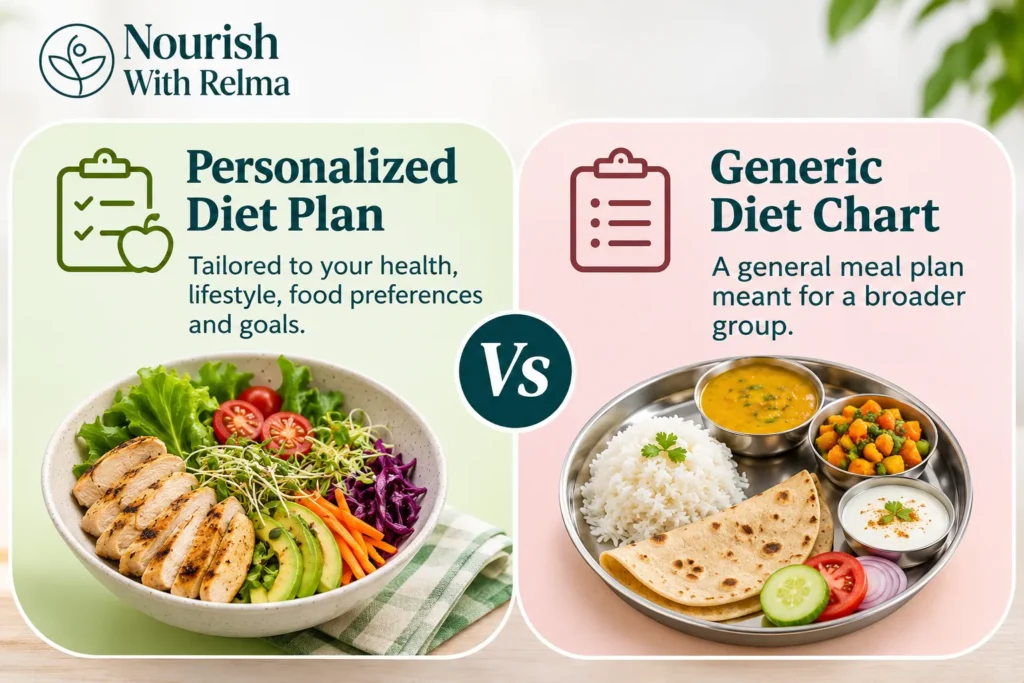
A generic diet chart is a pre-prepared meal schedule intended for a broad group of people. It usually includes breakfast, lunch, dinner and snacks, with suggested food choices and timings.
For example, a basic Indian diet chart might include:
- Breakfast: Idli with sambar
- Mid-morning: A seasonal fruit
- Lunch: Rice, dal and vegetables
- Evening snack: Buttermilk or roasted chana
- Dinner: Chapati with vegetable curry
This type of chart can help someone organise meals and understand how to include different food groups. It may also provide ideas for people who are unsure what to prepare each day.
However, the chart may not have been designed for the person using it. Two people of the same age can have different nutritional requirements, medical histories, activity levels and food preferences.
Where can a generic diet chart fall short?
A ready-made chart may not account for:
- Individual energy and nutrient requirements
- Vegetarian, vegan or other dietary preferences
- Food allergies and intolerances
- Diabetes, thyroid conditions or other diagnosed health concerns
- Work shifts, travel and meal timings
- Household food budgets and cooking facilities
- Hunger, appetite and eating patterns
- Changes in health or progress over time
A chart can look balanced on paper but still be difficult to follow in everyday life.
What Is a Personalized Diet Plan?
The basic principles of balanced eating remain similar throughout pregnancy. Howeve
A personalized diet plan is developed around an individual’s nutritional needs, health information, food preferences and practical circumstances.
The process should begin with understanding the person’s existing eating habits. A dietitian may review usual meals, activity levels, medical history, food preferences and personal goals before suggesting changes.
Depending on the person’s needs, the assessment may consider:
- Age and relevant body measurements
- Health history and diagnosed medical conditions
- Current eating habits and meal patterns
- Food preferences and cultural practices
- Vegetarian or non-vegetarian food choices
- Work schedule, sleep and activity levels
- Food budget and cooking time
- Relevant medical reports, when appropriate
- Personal goals and difficulties with consistency
A personalized plan does not have to include complicated recipes or expensive ingredients. It can use familiar meals and suggest manageable changes to portions, food combinations or meal routines.
r, appetite, food tolerance and digestive symptoms may change.
First trimester: Choose foods you can tolerate
Nausea, food aversions and changes in appetite can make regular meals difficult.
You may find these approaches helpful:
- Eat smaller meals or snacks if large meals feel uncomfortable.
- Keep simple foods available for days when nausea affects your appetite.
- Drink fluids regularly.
- Include protein-containing foods when you can tolerate them.
- Identify foods or smells that consistently make nausea worse.
Folic acid is especially important in early pregnancy. Follow your obstetrician’s instructions about supplements.
Second trimester: Maintain variety
Some women find that nausea improves during the second trimester, although this is not the same for everyone.
A practical meal pattern may include:
- Rice, chapati, ragi or other staple grains
- Dal, beans, eggs, dairy, fish or another protein source
- Cooked vegetables and seasonal fruits
- Nuts and seeds in suitable portions
- Water and other appropriate fluids
Your healthcare team may monitor haemoglobin, weight changes and other health indicators. These results can help identify whether your eating pattern or supplements need adjustment.
Third trimester: Manage fullness and digestive discomfort
As pregnancy progresses, some women experience heartburn, constipation or a feeling of fullness after meals.
Try these habits if they suit your symptoms:
- Eat smaller meals when large portions cause discomfort.
- Include fibre-rich foods gradually.
- Drink enough water.
- Spread protein-containing foods across meals.
- Choose foods that are comfortable and well tolerated.
Do not restrict food or fluids to manage weight or swelling unless your medical team has advised a specific approach. Sudden swelling, severe headache, visual changes or other concerning symptoms need prompt medical assessment.
Personalized Diet Plan vs Generic Diet Chart: Key Differences
Factor | Generic diet chart | Personalized diet plan |
Planning | Prepared for a broad audience | Developed around individual circumstances |
Food choices | Usually fixed suggestions | Can reflect preferences and cultural habits |
Portions | General recommendations | Adjusted to individual requirements |
Health history | May not consider medical conditions | Can account for relevant health information |
Daily routine | May use fixed timings | Can fit work and family schedules |
Food budget | May not reflect personal budgets | Can prioritise affordable foods |
Flexibility | May be difficult to modify | Can be adjusted when needs change |
Follow-up | Often no structured review | May include progress reviews |
Practicality | Depends on how closely it matches the person | Designed around the person’s routine |
The distinction is not that every personalized plan works or every generic chart fails. A well-designed general chart can provide useful meal ideas. Personalisation offers more scope to address individual requirements and the reasons someone may find a diet difficult to follow.
Which Approach Is Better for Sustainable Weight Management?
For someone who needs nutrition advice based on health history, food preferences and lifestyle, an individualised plan is often a more suitable option than following a chart prepared for an unknown person.
Indian clinical guidance on medical nutrition therapy for obesity describes a patient-centred approach. It includes understanding current eating habits, preparing an individualised dietary plan and reviewing progress through follow-up. The guidance also considers food preferences, affordability and culinary diversity.
This matters because weight management involves more than receiving a list of foods. A person may need help with portion sizes, meal planning, food choices, routine changes and difficulties that arise while following the plan.
- It considers your usual food habits
A useful nutrition plan should take your regular meals into account wherever possible.
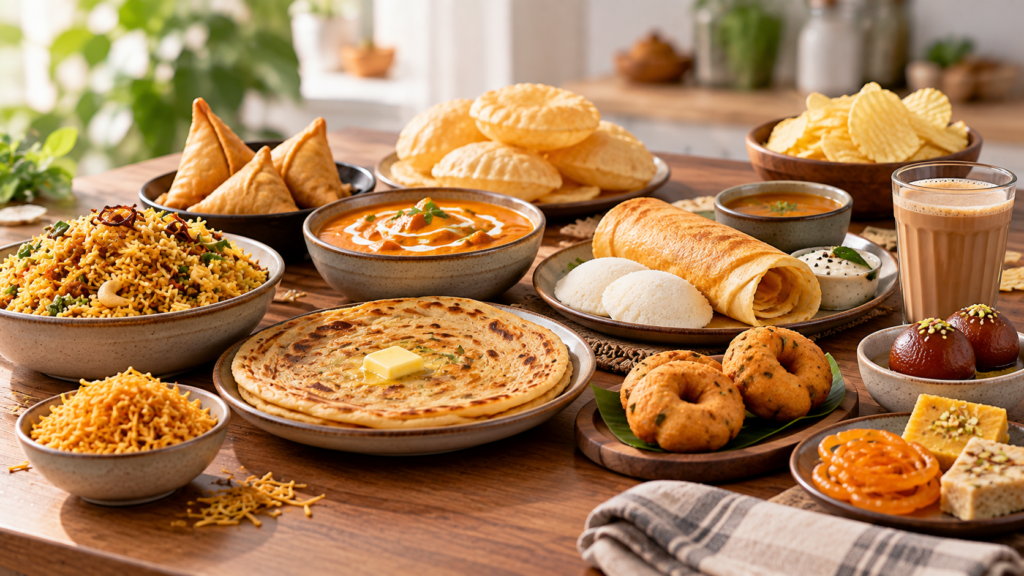
For example, someone who eats rice, dosa, idli, chapati, ragi or millet-based dishes does not necessarily need to replace these foods with unfamiliar meals.
The plan can look at how these foods fit into balanced meals and whether portions or combinations need to change.
- It considers your health needs
People with diabetes, high cholesterol, thyroid disorders or PCOS may need nutrition advice that takes their medical circumstances into account.
A general chart may not address these differences. A qualified nutrition professional can help adapt food choices while working alongside the person’s medical team.
Dietary changes should not replace prescribed medication or medical treatment.
- It fits your daily schedule
A person working long hours may need meals that are easy to carry. Someone working from home may have more flexibility around cooking and meal timings.
A plan that considers these differences may be easier to follow than one that expects everyone to eat at the same time.
- It allows for food preferences
A sustainable eating pattern should include foods that the person enjoys and can access.
For example, a vegetarian client may need different protein options from someone who regularly eats eggs, fish or meat. A suitable plan can account for these preferences instead of imposing unnecessary restrictions.
- It can be reviewed and adjusted
Food habits, activity levels, work routines and health needs can change.
Follow-up consultations can help identify what is working and where adjustments may be needed. If a meal plan is difficult to follow, the reason may be its cost, preparation time, food choices or timing. Making a practical change can be more useful than introducing stricter restrictions.
Personalisation does not guarantee weight loss. Its value lies in making nutrition advice more relevant and workable for the individual.
What Should a Good Personalized Diet Plan Include?
A useful diet plan should involve more than a printed list of meals. Before choosing a nutrition service, consider whether the process covers the following areas.
- Review of your current eating habits
The dietitian should understand what you usually eat, including:
- Breakfast, lunch and dinner habits
- Snacks and beverages
- Meal timings
- Portion patterns
- Weekend eating habits
- Foods you regularly avoid or prefer
This information helps identify changes that are realistic for your routine.
- Suitable portions and balanced meals
A plan should consider the overall pattern of food intake, including carbohydrates, protein, fats, fibre, vitamins and minerals.
For example, a balanced Indian lunch may include rice or chapati, dal or another protein source, vegetables and curd where suitable. The portions and food combinations should reflect individual requirements.
- Foods that fit your budget
A nutrition plan does not need imported ingredients, costly powders or elaborate recipes.
Everyday foods such as lentils, seasonal vegetables, fruits, eggs, curd, groundnuts, ragi and other locally available ingredients can contribute to a varied eating pattern.
- Practical meal timings
Meal timing should consider the person’s routine, appetite, work schedule and relevant medical needs.
There is no single eating schedule that everyone must follow. The timing should be practical and appropriate to the individual’s circumstances.
- Clear and realistic goals
Goals should be specific and suitable for the person’s starting point.
Progress may involve changes beyond body weight. Depending on the individual’s goals, a review may also consider meal regularity, food variety, activity habits, fitness or relevant health indicators.
- Follow-up and adjustments
Follow-up gives the person an opportunity to discuss difficulties and review progress.
If a plan is hard to maintain, the solution should not automatically be stricter food restrictions. It may be more helpful to understand the difficulty and find an alternative that works better.

Can a Generic Diet Chart Ever Be Useful?
Yes. A generic diet chart can be useful as an educational reference or a starting point for meal ideas.
For example, someone who wants to organise daily meals may find a sample chart helpful. It can demonstrate how to include vegetables, pulses, whole grains and other food groups.
A general chart may be suitable when the goal is simply to get meal ideas rather than manage a specific medical or nutritional concern.
However, a sample chart should not be treated as an individual prescription. It may not suit someone with a medical condition, food allergy, specific nutrient requirement or a history of disordered eating.
If you use a diet chart found online, treat it as a source of ideas rather than a plan that must be followed exactly.
Practical Indian Meal Choices for a Balanced Eating Pattern
A personalized diet plan does not need to remove familiar Indian foods. It can focus on meal balance, food variety and portions.
Meal | Everyday food examples |
Breakfast | Idli and sambar, vegetable dosa, vegetable upma, oats or eggs with whole-grain toast |
Mid-morning | Seasonal fruit, curd or a suitable snack |
Lunch | Rice or chapati, dal, vegetables and curd |
Evening | Roasted chana, fruit, nuts or buttermilk |
Dinner | Chapati with vegetable curry and a protein source, or vegetable khichdi with curd |
These are general meal examples, not a prescribed diet chart. Portions, ingredients and meal frequency should be adjusted to individual requirements.
The ICMR–National Institute of Nutrition’s Dietary Guidelines for Indians encourage dietary variety and balanced food choices. WHO guidance also describes healthy diets in terms of adequacy, balance, moderation and diversity.
Common Mistakes to Avoid When Choosing a Diet Plan
Following someone else’s weight-loss chart
A diet chart that suited a friend or a social media creator may not match your nutritional needs, medical history or daily routine.
Choosing a plan because it promises fast results
Be cautious about claims of rapid or guaranteed weight loss. A credible nutrition service should explain its approach without promising a specific result.
Removing entire food groups without a reason
Avoiding carbohydrates, fruit, dairy or other food groups without an appropriate reason can make a diet unnecessarily restrictive.
If a food needs to be limited because of a medical condition or intolerance, suitable alternatives should be considered with professional guidance.
Ignoring medical history
Some health conditions and medications can affect nutritional requirements and weight-management decisions. Share relevant medical information with your healthcare professional before making major dietary changes.
Expecting a plan to work without review
A plan that is difficult to follow may need adjustment. Reviewing barriers and progress can be more useful than repeatedly switching between unrelated diet charts.
Treating the weighing scale as the only measure of progress
Body weight is one measure, but it does not describe every aspect of health. Depending on the person’s goals, physical activity, eating habits, strength, sleep and relevant health indicators may also be worth reviewing.

How to Choose a Dietitian for a Personalized Diet Plan in Mysore
If you are considering professional nutrition support, look beyond claims such as “fast results” or “guaranteed weight loss.”
Choose a professional who can explain their qualifications, assessment process and approach to individual nutrition needs.
Before booking a consultation, consider asking:
- What qualifications and professional training do you have?
- How do you assess a person’s current diet and health history?
- Will the plan include familiar Indian foods?
- Can the meal suggestions fit my budget and routine?
- How are medical conditions and prescribed treatments considered?
- Is follow-up available if I face difficulties?
- How will progress be reviewed?
- Should I bring any medical reports to the consultation?
If you are searching for a Personalized Diet Plan vs Generic Diet Chart: Which Is Better in Mysore?, check whether the service begins with an individual assessment or simply sends the same meal chart to every client.
How Nourish With Relma Approaches Personalized Nutrition
Nourish With Relma lists weight management and personalized nutrition plans among its areas of support. The website describes a consultation process that includes booking an appointment, completing an assessment form, discussing health goals and habits during a one-to-one consultation, and receiving a personalized diet plan.
The website also describes practical meal planning around a person’s lifestyle and preferences.
If you are comparing nutrition services, you can explore Nourish With Relma and enquire about the consultation process, plan adjustments and follow-up arrangements for your goals.
Final Thoughts: Choose a Plan That Fits Your Everyday Life
A generic diet chart can provide meal ideas and a basic structure. A personalized diet plan can also consider your health history, food preferences, budget, daily routine and the difficulties that affect consistency.
Neither format guarantees a particular result. What matters is whether the nutrition guidance is appropriate, practical and supported by a way to review progress.
For sustainable weight management, the most useful plan is not necessarily the strictest or most complicated one. It is a plan that helps you build eating habits you can maintain in your everyday life.
If you are unsure where to begin, consider speaking with a qualified dietitian who can assess your needs and explain suitable options.
Health note: This article provides general nutrition education and is not a substitute for individual medical or dietetic advice. People with diagnosed health conditions, pregnancy, a history of disordered eating or other specific nutritional needs should seek appropriate professional guidance.
Frequently Asked Questions
1. What is the difference between a personalized diet plan and a generic diet chart?
A generic diet chart provides general meal suggestions for a broad audience. A personalized diet plan considers an individual’s health history, food preferences, routine, budget and nutritional needs.
2. Is a personalized diet plan better for weight management?
It can be more practical when it addresses individual needs and includes follow-up. However, personalisation alone does not guarantee weight loss. Consistency, realistic goals and appropriate support also matter.
3. Can I follow a generic diet chart for weight loss?
A generic chart can provide meal ideas, but it may not suit your energy requirements, health conditions or food preferences. Treat it as a general reference rather than an individual prescription.
4. Does a personalized diet plan include Indian foods?
Yes. Depending on your preferences, a plan may include familiar foods such as rice, chapati, idli, dosa, ragi, dal, vegetables, curd and seasonal fruits.
5. How is a personalized diet plan prepared?
A dietitian may review your food habits, medical history, lifestyle, activity levels, preferences and goals before preparing a suitable plan. Relevant medical reports may also be considered.
6. How often should a diet plan be reviewed?
There is no single schedule for everyone. Review frequency depends on individual needs, progress and the type of nutrition support. Follow-up helps identify difficulties and make appropriate adjustments.
7. Do I need to stop eating my favourite foods to manage my weight?
Not necessarily. A balanced approach can often include favourite foods in suitable portions and frequencies. The overall eating pattern matters more than treating individual foods as completely forbidden.
8. Where can I get a personalized diet plan in Mysore?
You can explore nutrition consultation options with Nourish With Relma through its official website. Before booking, confirm the dietitian’s qualifications, assessment process, follow-up arrangements and suitability for your health needs.