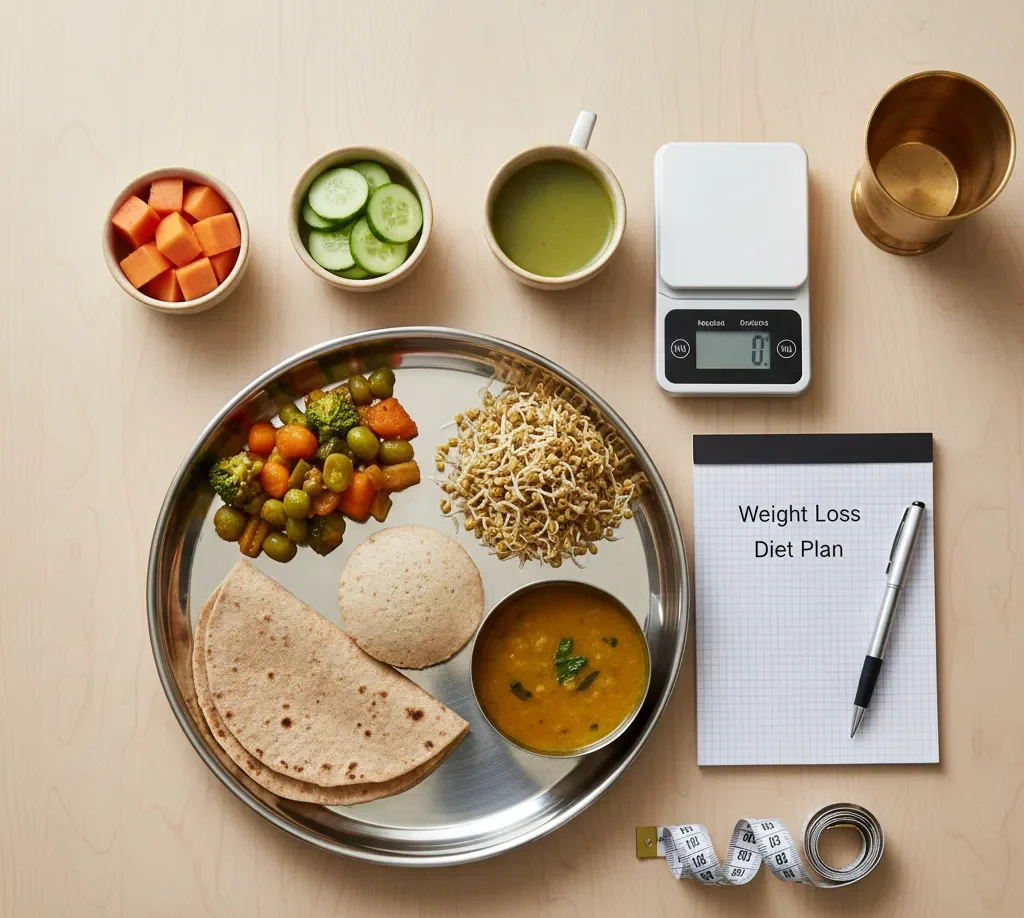
Most Indians do not gain weight because of one cheat meal. Weight gain usually develops quietly through repeated daily habits:
- oversized rice portions
- sugary chai multiple times daily
- fried evening snacks
- excess cooking oil
- emotional eating during stress
- late-night overeating
- poor sleep and low movement
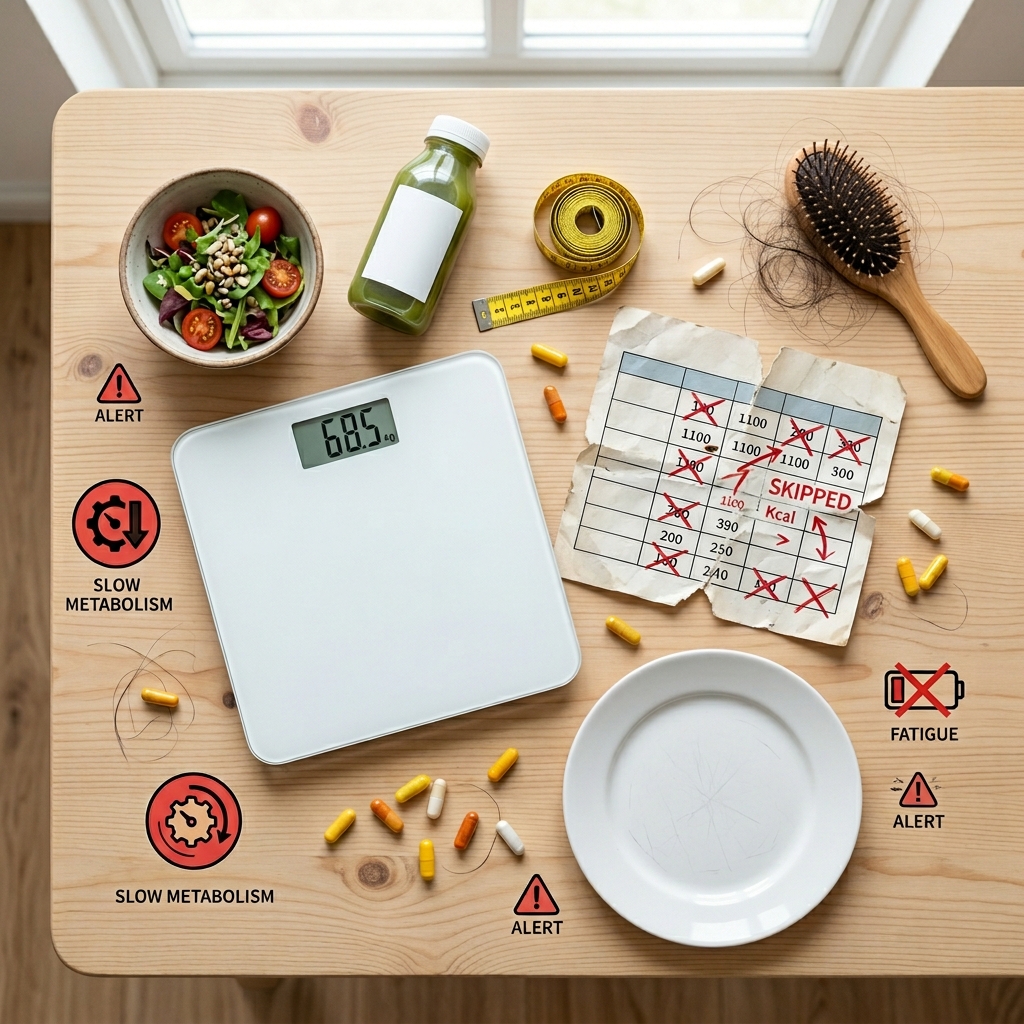
That is why many people feel confused. They eat homemade food, avoid fast food most days, and still struggle with belly fat, slow metabolism, and constant weight gain.
In cities like Bangalore, long sitting hours, work-from-home routines, food delivery apps, stress eating, and poor sleep are making the problem worse. In many homes across Mysore and other Indian cities, people still believe: “Homemade food cannot cause weight gain.” But daily eating patterns matter more than occasional junk food.
Quick List: Common Indian Foods and Habits That Quietly Increase Weight
- oversized white rice portions
- repeated chai with sugar and biscuits
- deep-fried evening snacks
- excess oil in homemade sabzi and dal
- butter-loaded parathas
- maida-based bakery foods
- restaurant gravies
- late-night heavy dinners
- emotional stress eating
- overeating “healthy” foods like nuts and smoothies
This article explains why these calorie-dense Indian meals and hidden eating habits affect fat loss, especially in modern Indian lifestyles.
Why Homemade Indian Food Still Leads to Weight Gain
One repeated pattern seen during nutrition consultations is this: people blame occasional junk food while ignoring everyday calorie habits. A person may avoid pizza for weeks but still consume:
- 4 sugary chai daily
- multiple biscuit breaks
- oversized rice servings
- excess oil through tadka
- heavy dinners late at night
Over time, these small habits create a calorie surplus.
After working with Indian clients dealing with PCOS, thyroid imbalance, emotional eating, office-related weight gain, and sedentary lifestyles, one pattern appears repeatedly: people usually underestimate calories from routine daily eating far more than occasional restaurant meals.
A software employee working long hours in Bangalore may unknowingly consume 300–500 extra calories daily from chai, biscuits, fried snacks, and stress eating alone. Weight gain rarely comes from one festival meal. It builds slowly during ordinary weekdays.
Hidden Calorie Drivers In Everyday Eating Habits
Rice is deeply connected to Indian food culture, especially in South Indian households. Rice itself is not unhealthy. The issue is usually quantity. In many homes, lunch and dinner include: multiple rice servings, potato fry, papad, pickle, and oily curry served together in large portions. In Karnataka households, rice is often refilled automatically during meals without noticing actual hunger levels.
The hidden issue: White rice digests quickly when meals are low in: protein, fibre, and vegetables. This may increase hunger faster and encourage overeating later.
Real consultation observation: Many people trying a weight loss diet plan India approach skip breakfast or reduce lunch but continue eating very large rice portions at night.
Better approach: Instead of fully avoiding rice: reduce serving size slowly, add dal and vegetables first, include protein, and avoid second and third servings. (Include visual: ideal rice portion vs oversized Indian rice serving)
For many Indians, chai is not just a beverage. It is part of work breaks, socializing, stress relief, and daily routine. The problem is repetition. A large percentage of urban clients consume sugary chai more than 3 times daily, often paired with: glucose biscuits, bakery snacks, rusks, and namkeen. Most people never count these calories because they feel “small.” But repeated intake matters.
One surprising reality: Four cups of tea with sugar and biscuits daily may quietly add thousands of extra calories monthly.
Why this affects fat loss: Sugary beverages increase cravings quickly while providing very little fullness.
Better approach: reduce sugar gradually, use smaller cups, replace biscuits occasionally with nuts or fruit, and avoid emotional tea drinking during stress. (Include infographic: calories from 4 chai + biscuits daily)
One extra spoon of oil daily may not feel important. Over one year, it creates a major calorie surplus. This is one of the most ignored hidden calorie habits in Indian households. A visually healthy sabzi may contain excess calories through: tadka, repeated tempering, floating oil, and deep frying. Many families pour oil directly from the bottle without measuring.
Why this matters: Oil is calorie-dense even in small amounts.
Better approach: measure oil with spoons, steam or sauté vegetables more often, reduce oily gravies, and increase fibre-rich foods. (Include visual: 1 tsp oil vs 4 tsp oil calorie comparison)
Evening snacking is deeply connected to Indian lifestyle habits. After work, traffic, deadlines, or stress, many people automatically reach for: samosa, pakoda, mixture, chips, bhujia, and murukku. The issue becomes worse because these foods are usually eaten: while watching TV, during office work, and while scrolling phones. This reduces awareness of portion size.
A pattern seen frequently: Stress eating is now extremely common among office workers and students in urban India.
Smarter swaps: roasted chana, makhana, sprouts chaat, fruit with nuts, and boiled peanuts.
Ghee is not unhealthy by itself. The issue is quantity and frequency. A plain phulka is very different from: butter naan, layered paratha, cheese paratha, and ghee-loaded chapati. Many people trying healthy Indian food for weight loss unknowingly consume excessive calories during breakfast itself.
Common misunderstanding: “Homemade breakfast” does not automatically mean low calorie.
Better approach: use measured amounts of ghee, increase protein during breakfast, and avoid oversized stuffed parathas daily.
Modern Indian eating habits have changed dramatically because of: Swiggy, Zomato, late-night ordering, and work-from-home snacking. Restaurant gravies are usually designed for taste, not calorie balance. They often contain: butter, cream, sugar, excess oil, and cashew paste. Even vegetarian dishes may become calorie-heavy very quickly.
What people underestimate: Restaurant portion sizes are much larger than home portions.
A growing urban pattern: Many IT workers skip meals during the day and overeat heavy restaurant food late at night. That pattern is increasingly linked with belly fat and poor metabolic health.
Ultra-processed foods are increasing rapidly in urban Indian diets. Examples: white bread, bakery puffs, instant noodles, cookies, packaged snacks, pizza, and burgers. According to recent nutrition guidance trends from the Dietary Guidelines for Indians, reducing ultra-processed food intake is becoming increasingly important for long-term health.
Why these foods affect weight: They are usually: low in fibre, easy to overeat, highly processed, and poor in satiety.
Hidden modern problem: Instagram diet trends often market processed “healthy snacks” that still contain high calories and sugar.
This is where many people unknowingly struggle. Foods considered healthy can still increase calorie intake when portions become excessive. Common examples: smoothies, fruit juices, protein bars, nuts, peanut butter, dates, and sugar-free sweets.
Myth vs Fact
Myth: Healthy foods can be eaten freely.
Fact: Even healthy foods contribute calories when portion sizes become excessive. A frequent consultation pattern involves people replacing junk food with handfuls of nuts several times daily while expecting rapid fat loss.
Many Indian families eat dinner late because of: office timings, commuting, and family schedules. Large dinners usually include: rice, rotis, fried foods, and desserts, followed by very little movement. Poor sleep may also affect: hunger hormones, cravings, emotional eating, and energy balance. This combination is increasingly common among urban office workers.
Important insight: For many Indians, weight gain does not happen during festivals. It happens quietly between ordinary late-night dinners and stressful weekdays.
Common Indian Meal Combinations That Quietly Increase Calories
| Meal Combination | Hidden Problem |
|---|---|
| Rice + potato fry + papad | High carbs with low satiety |
| Chai + biscuits multiple times | Repeated sugar spikes |
| Paratha + butter + pickle | Excess fat and sodium |
| Biryani + dessert + soft drinks | Extremely calorie-dense |
| Dosa + fried sides + sugary coffee | High refined carb load |
This is where many Indian eating patterns quietly slow fat loss.
Suggested Visuals for Better SEO and Engagement
To improve reader understanding and dwell time, this article should include:
- rice portion comparison graphic
- chai calorie infographic
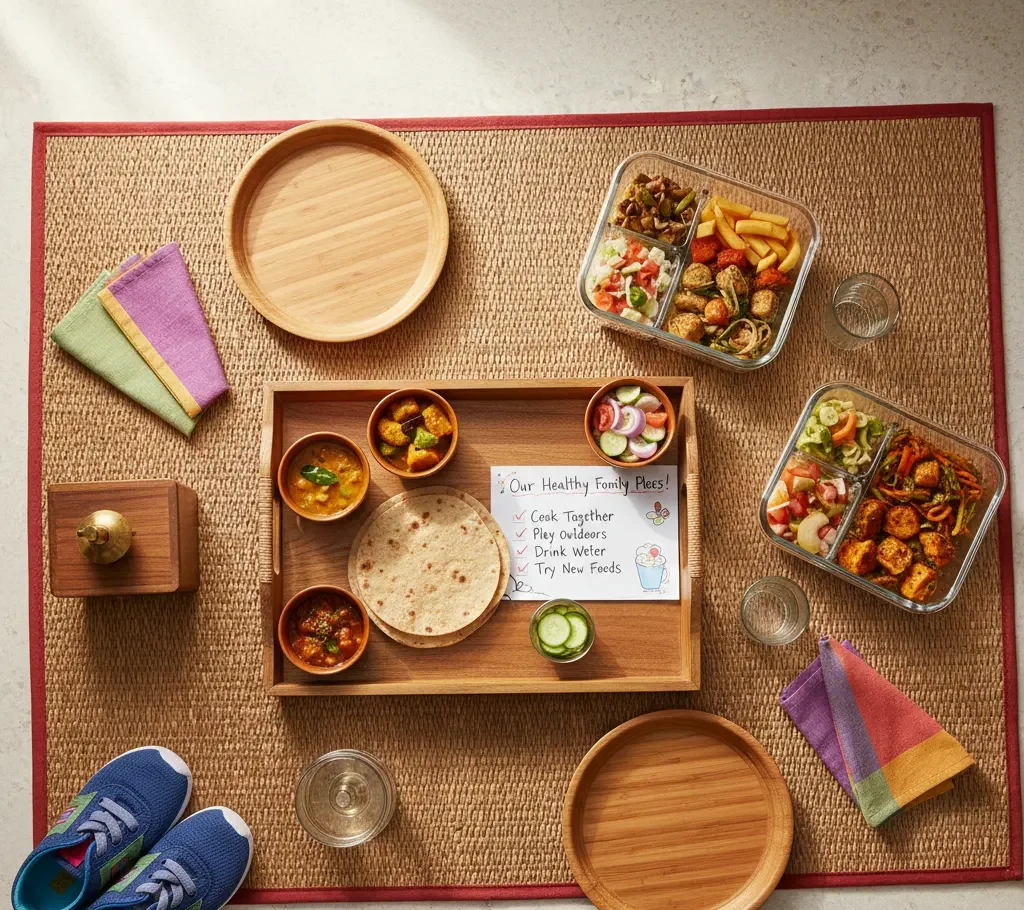
- Indian thali balance visual
- fried snack calorie comparison chart
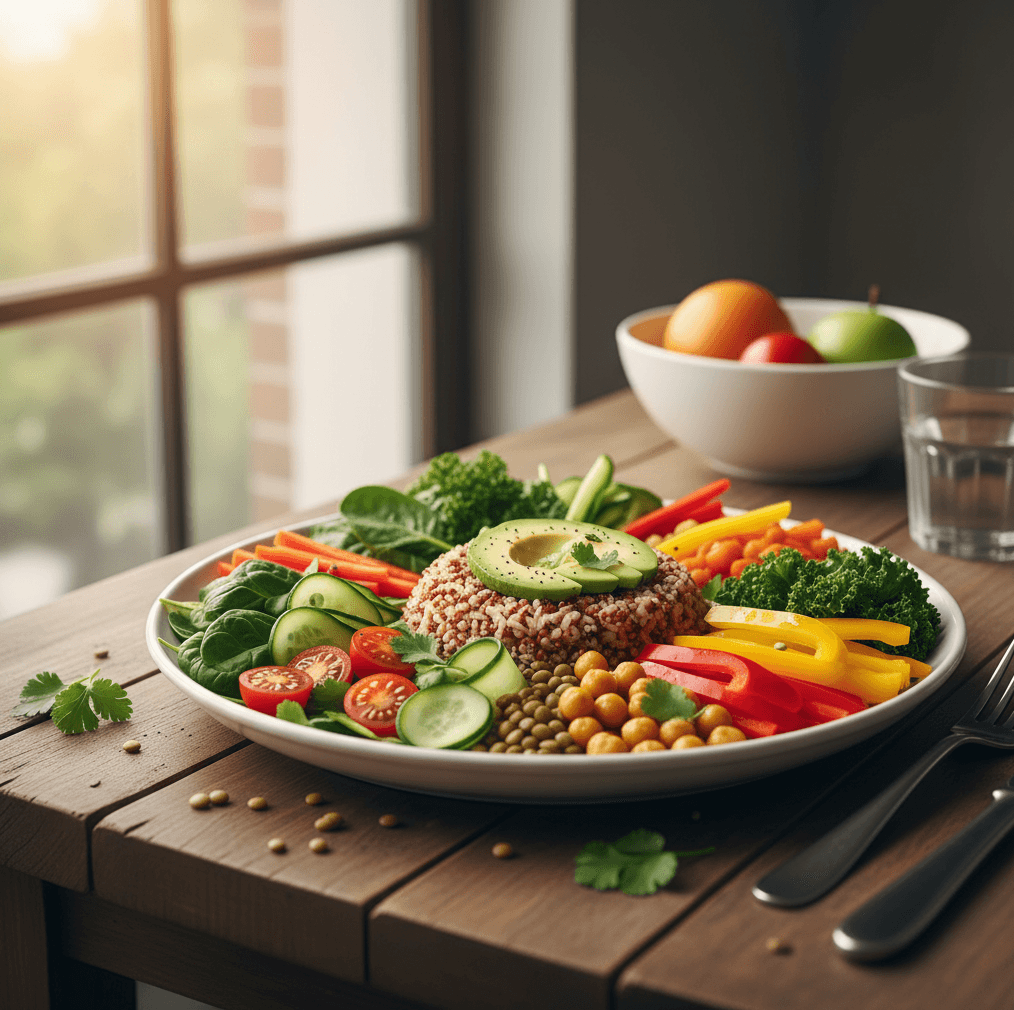
- healthy Indian plate model
- hidden oil calories infographic
- South Indian breakfast calorie comparison
- “healthy foods overeaten” graphic
Contextual visuals improve: mobile engagement, passage ranking, reader retention, and search visibility.
Practical Weight Loss Tips for Indians
Instead of extreme dieting, focus on realistic changes that fit Indian lifestyles.
Improve protein intake
Include: dal, eggs, curd, paneer, sprouts, fish, and chicken. Protein improves fullness and helps reduce cravings.
Reduce hidden calories
Watch: cooking oil, sugary chai, fried snacks, biscuits, and bakery foods.
Improve sleep and movement
Poor sleep and sedentary office routines may affect eating behaviour and cravings. Avoid social media misinformation. Many online diet trends ignore Indian meal patterns completely.
When Professional Guidance Helps
Weight gain is not always only about overeating. Sometimes the issue involves:
- PCOS
- thyroid imbalance
- insulin resistance
- emotional eating
- digestive issues
- stress-related cravings
Nourish with Relma provides science-backed nutrition guidance focused on realistic Indian eating habits rather than extreme dieting trends. Led by Relma Gangam, the clinic supports people dealing with weight management, hormonal imbalance, digestive health, pregnancy nutrition, sports nutrition, and lifestyle-related eating challenges.
One common observation during consultations is this: most people struggling with fat loss are not lacking effort. They are simply following hidden calorie habits that become invisible over time.
If you are searching for:
- best dietitian in Mysore
- certified nutritionist Mysore
- personalized diet plan India
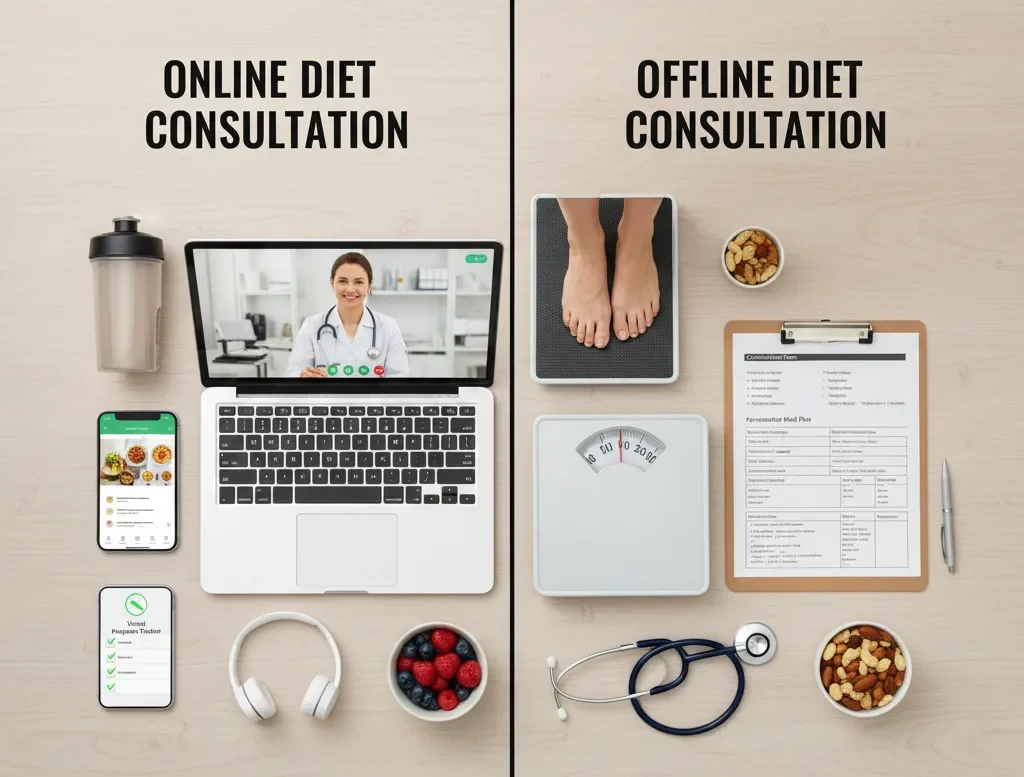
- online dietitian consultation India
- weight loss dietitian Mysore
professional guidance can help identify eating patterns that generic internet diet plans often miss.
Right Fit vs Wrong Fit Framework
Right Fit Patterns:
- Desiring to correct hidden everyday urban calorie patterns
- Struggling with slow metabolism, belly fat, or progressive tracking fatigue
- Willing to track structural choices like tea intervals or cooking oil spoons
- Needing customized layouts for South Indian meal parameters
Wrong Fit Expectations:
- Demanding extreme crash starvation solutions to drop weight in days
- Unwillingness to alter baseline late night ordering routines
- Refusing to manage underlying lifestyle stresses or sleep quality dynamics
Conclusion
Most Indians do not gain weight because of one cheat meal or one festival weekend. Weight gain usually develops through repeated everyday habits: oversized portions, hidden oils, sugary beverages, stress eating, poor sleep, low physical activity, emotional snacking, and late-night overeating.
Once these patterns become visible, sustainable fat loss becomes far more realistic without giving up traditional Indian food completely. The goal is not perfection. The goal is understanding how daily eating habits quietly shape long-term health.