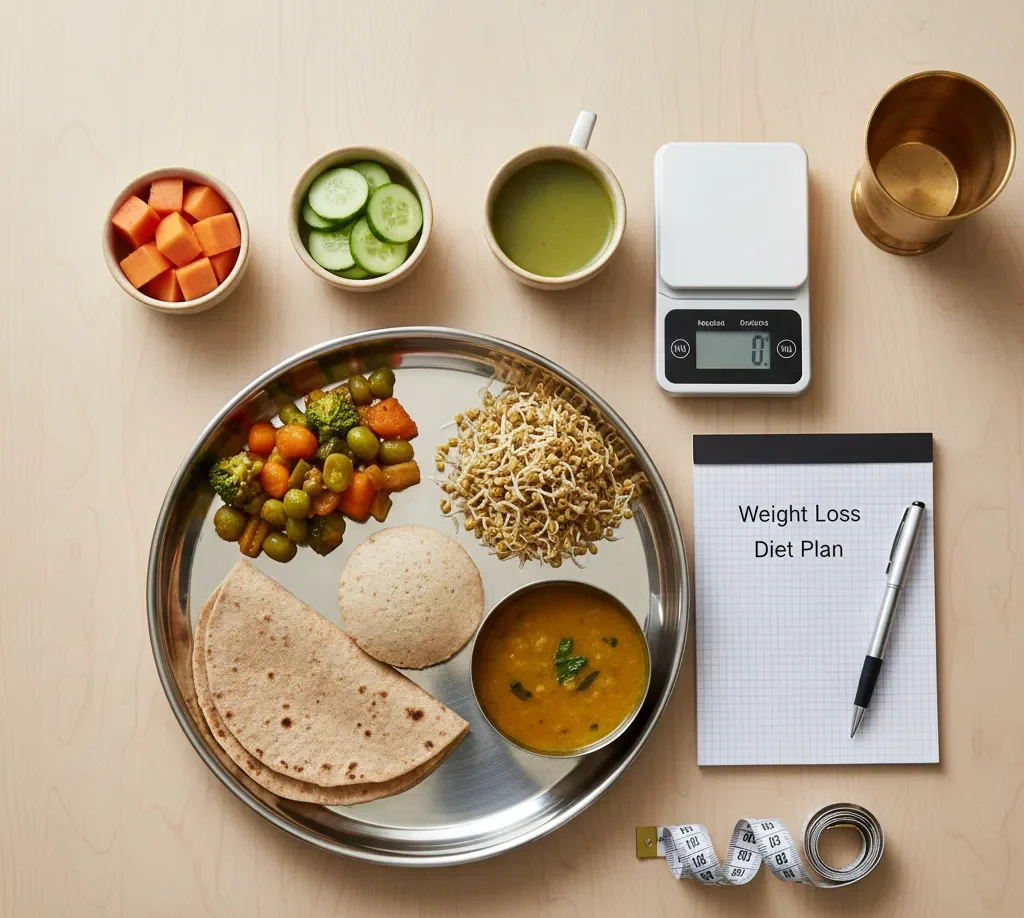
Managing body weight is rarely as simple as eating less or walking more. Many people in Bangalore increase their daily steps, skip meals, join gyms, or follow strict diets but still struggle with fat loss, energy levels, emotional eating, or repeated weight regain. Some walk every day without noticeable body composition changes. Others lose weight temporarily through aggressive dieting and regain it within months because the routine becomes difficult to maintain.
This confusion is one reason people repeatedly ask: Walking vs Dieting: What Matters More?
At Nourish With Relma, our Weight Management Nutrition Services focus on helping clients understand how calorie intake, movement, metabolism, food quality, stress, sleep, and behavioural habits influence body weight together. The goal is not rapid short-term weight reduction. The focus is sustainable fat loss that fits real routines, work schedules, social eating patterns, and long-term health needs in Bangalore.
Many clients seeking support already feel mentally exhausted from restarting weight-loss plans repeatedly. Some feel frustrated because they are walking daily but not seeing visible results. Others struggle with food guilt after weekend overeating, stress eating during work pressure, or inconsistent eating caused by long commutes and irregular office schedules. These patterns are extremely common among Bangalore professionals working in technology, healthcare, finance, education, and business sectors.
Walking vs Dieting: What Research and Clinical Experience Suggest
Research in nutrition science, obesity management, and exercise physiology consistently shows that body weight is affected by both calorie intake and energy expenditure. However, dietary intake usually has a stronger impact on creating calorie deficit because consuming calories is often much easier than burning them through exercise.
A single restaurant meal, sugary café beverage, dessert, or fried snack combination may contain 600–1,000 calories. Burning the same amount through walking may require well over an hour depending on body weight, pace, muscle mass, and fitness level.
This does not mean walking is ineffective. Walking improves cardiovascular health, supports insulin sensitivity, increases daily movement, reduces sedentary behaviour, and helps many individuals maintain weight loss long term. Exercise physiology research also suggests that regular movement supports appetite regulation, mental health, and metabolic health beyond calorie burn alone.
Walking is often one of the most sustainable forms of movement for busy Bangalore professionals because it improves activity levels without creating the physical burnout and inconsistency many people experience with aggressive gym routines.
Long-term weight maintenance studies repeatedly show that people combining balanced nutrition with manageable physical activity are generally more successful at maintaining fat loss compared to individuals depending only on restrictive dieting methods.
Walking vs Dieting: What Actually Creates Weight Loss?
Weight loss occurs when the body uses more energy than it receives from food and beverages. This is called calorie deficit.
The body burns calories through basic metabolic functions, digestion, daily movement, walking, exercise, and routine physical activity. Food and beverages supply energy through carbohydrates, fats, proteins, sugary drinks, snacks, restaurant meals, desserts, and hidden cooking oils.
Long-term fat reduction usually depends on maintaining a realistic calorie deficit while still eating enough protein, managing portions consistently, staying physically active, sleeping adequately, and reducing behaviours that lead to overeating.
Research published in obesity and nutrition literature suggests many individuals underestimate calorie intake during self-reporting. Liquid calories, sauces, snacks, restaurant portions, and weekend eating patterns are commonly overlooked. This is one reason many people feel confused when they exercise regularly but still struggle with body fat reduction.
Walking vs Dieting: Why Both Matter Differently
| Walking | Dieting |
|---|---|
| Increases calorie expenditure | Reduces calorie intake |
| Improves heart health | Creates calorie deficit faster |
| Supports stress management | Improves portion awareness |
| Reduces sedentary behaviour | Helps reduce processed food intake |
| Supports insulin sensitivity | Helps control calorie density |
| Helps maintain long-term weight loss | Influences appetite and cravings |
Many people try to choose one over the other. In practice, sustainable weight management usually depends on combining realistic eating habits with consistent movement patterns.
Why Walking Alone Sometimes Does Not Lead to Fat Loss
Many professionals become frustrated when daily walking does not produce visible fat loss, especially when stress eating, poor sleep, irregular meals, and hidden calorie intake quietly increase energy consumption in the background.
One common issue is overestimating calorie burn. A 30-minute walk may burn approximately 120–250 calories depending on walking speed and body size. A single café beverage or dessert may contain the same amount or more.
Another issue is compensatory eating. Some people unintentionally increase portion sizes after exercise because they feel they “earned” additional food through physical activity.
Sedentary behaviour throughout the rest of the day also matters. Studies involving office workers suggest prolonged sitting may negatively affect insulin sensitivity and energy expenditure even in people exercising regularly.
This pattern is extremely common among Bangalore professionals who spend long hours sitting during meetings, traffic-heavy commutes, laptop work, and work-from-home schedules. Weekend eating behaviour can further slow progress. Many individuals maintain moderate calorie intake during weekdays but consume significantly more calories through buffet meals, late-night ordering, desserts, alcohol intake, and social dining during weekends.
Why Dieting Alone Often Fails Long Term
Aggressive dieting may create short-term weight changes, but many people struggle to maintain highly restrictive food rules for long periods.
Research involving metabolic adaptation suggests that prolonged extreme calorie restriction may gradually reduce energy expenditure. People may also experience fatigue, cravings, irritability, reduced workout performance, and rebound overeating after periods of strict dieting.
Very low-calorie dieting may also reduce muscle mass along with body fat. Muscle tissue supports resting calorie expenditure, which is one reason adequate protein intake and resistance exercise matter during fat loss.
Many clients entering nutrition consultations describe repeated cycles of strict dieting, temporary progress, emotional exhaustion, overeating, guilt, and restarting the process again after several months. This cycle often damages consistency more than occasional overeating itself.
Understanding Metabolism, Muscle Mass, and Daily Calorie Burn
Basal metabolic rate refers to the calories the body burns at rest to maintain breathing, circulation, digestion, hormone production, and organ function.
Metabolism is influenced by factors such as muscle mass, sleep quality, hormones, age, activity levels, stress, and genetics.
Exercise physiology research consistently shows that preserving muscle mass during calorie deficit helps support metabolic health and long-term weight maintenance. This is why combining walking with resistance-based activity often produces better body composition outcomes than excessive cardio alone.
Non-exercise activity thermogenesis (NEAT) also plays an important role in daily calorie expenditure. NEAT includes standing, climbing stairs, household work, commuting movement, and routine daily activity outside formal exercise. People with higher daily movement often burn significantly more calories than highly sedentary individuals even without intense workouts.
When Walking Alone May Not Be Enough
Walking is beneficial for most adults, but some situations may require additional nutrition support, medical evaluation, or structured exercise planning.
Walking alone may not fully address weight management in individuals dealing with:
- severe obesity
- binge eating patterns
- PCOS-related insulin resistance
- major sleep disruption
- muscle loss from repeated crash dieting
- highly sedentary work routines
- uncontrolled emotional eating
- medical conditions affecting metabolism
In these situations, nutrition planning, behavioural support, meal structure, protein intake optimization, sleep improvement, and strength-based activity may become equally important.
Who Can Benefit From These Weight Management Nutrition Services?
These services are commonly suitable for adults who feel confused about calorie deficit, dieting, exercise routines, or inconsistent fat-loss progress.
Many clients are Bangalore professionals working in IT companies and corporate environments where long sitting hours, stress eating, food delivery dependence, and irregular schedules affect eating behaviour.
Women managing PCOS or hormonal imbalance often seek support because cravings, fatigue, insulin resistance, and abdominal fat gain may make weight management more difficult.
Some clients are college students struggling with processed snacks, sugary beverages, and inconsistent meal timing. Others are postpartum mothers trying to regain strength and manage body weight without highly restrictive diets.
People who already walk regularly but continue experiencing slow fat loss often benefit from reviewing calorie intake, protein consumption, stress patterns, sleep quality, and portion awareness more carefully.
The Nourish With Relma Approach to Weight Management
At Nourish With Relma, the focus is rarely on extreme calorie deficits or exhausting workout schedules. Most long-term success comes from improving consistency, reducing food guilt, understanding hunger patterns, and building routines that remain manageable during stressful work weeks, travel, social events, and family responsibilities.
Many people do not fail because they lack discipline. They struggle because the plan they followed was too restrictive, unrealistic, or disconnected from their actual lifestyle.
The goal is helping clients create eating and movement habits that continue even during busy office schedules, emotional stress, traffic-heavy commutes, and social dining situations common across Bangalore.
What Our Weight Management Nutrition Services Include
The service begins with a detailed review of eating habits, digestion, medical history, sleep quality, physical activity levels, emotional eating patterns, and previous dieting experiences. This helps identify behaviours affecting calorie intake, appetite regulation, and metabolic consistency.
Clients receive practical calorie and macronutrient guidance based on their routine, health condition, work schedule, and food preferences. Instead of rigid meal systems, the focus is realistic eating structure that can continue long term.
Walking goals, daily movement planning, and activity recommendations are discussed according to lifestyle and fitness level. Where appropriate, basic resistance-training guidance may also be included to support muscle preservation.
Nutrition planning considers realistic Bangalore lifestyle patterns including office cafeterias, restaurant dining, café beverages, work-from-home routines, late-night eating, and food delivery dependence.
Regular follow-ups help track body weight, waist measurements, eating consistency, energy levels, and behavioural patterns. Adjustments are made gradually instead of relying on aggressive restrictions.
Which Type of Support May Be Most Useful?
Individuals mainly struggling with meal timing, overeating, or portion control may benefit primarily from structured nutrition planning and calorie-awareness support.
People dealing with PCOS, emotional eating, repeated dieting cycles, or inconsistent routines often require more behavioural accountability and long-term follow-up.
Clients already exercising regularly but not seeing body composition changes may benefit from reviewing calorie intake, protein intake, sleep quality, recovery, and hidden sources of excess calories.
Our Step-by-Step Process
The first consultation focuses on medical history, food habits, digestion, physical activity, sleep quality, stress patterns, and previous weight-management attempts.
Calorie intake, meal timing, movement levels, emotional eating patterns, and sedentary behaviour are reviewed carefully.
Clients receive realistic guidance for calorie management, walking routines, protein intake, and sustainable activity planning.
Weekly or biweekly reviews monitor consistency, appetite, energy levels, body measurements, and routine challenges.
The focus gradually shifts from short-term dieting toward sustainable routines that remain manageable during work stress, travel, social dining, and family commitments.
Clients receive practical guidance for maintaining body weight without depending on restrictive food rules or temporary dieting methods.
Pricing Guidance for Weight Management Nutrition Services in Bangalore
Weight management nutrition consultation fees in Bangalore usually vary depending on consultation frequency, medical complexity, support duration, and level of monitoring required.
- single consultation: ₹1,000–₹2,500
- monthly nutrition support plans: ₹4,000–₹10,000
- PCOS and hormonal weight-management support: ₹6,000–₹15,000
- advanced body-composition support: pricing may vary further
Final pricing is confirmed during consultation after understanding the client’s requirements and support needs.
Supporting Clients Across Bangalore
Nourish With Relma supports clients across Whitefield, HSR Layout, Bellandur, Marathahalli, Koramangala, Electronic City, Sarjapur Road, Jayanagar, and nearby Bangalore areas.
Many clients work in high-stress professional environments where sitting for extended periods becomes routine. Some skip meals during meetings and later overeat at night because hunger accumulates gradually throughout the day. Food delivery dependence, buffet dining, sugary café beverages, late-night eating, and irregular sleep schedules commonly affect calorie balance and body composition among Bangalore professionals.
Nutrition guidance is designed around realistic eating behaviour rather than idealized meal systems that become difficult to maintain consistently.
Walking vs Dieting: What Matters More? Realistic Client Outcomes
One IT professional from Whitefield lost approximately 7 kg over five months after improving portion awareness, increasing protein intake, reducing liquid calories, and maintaining consistent walking instead of repeatedly restarting crash diets.
A woman managing PCOS improved waist measurements, sleep quality, meal consistency, and energy levels within four months by combining structured nutrition with sustainable daily movement and improved eating routines.
Another client who already walked 10,000 steps daily experienced gradual fat reduction after identifying hidden calorie intake from snacks, desserts, weekend restaurant meals, and oversized coffee beverages.
Individual results vary depending on medical conditions, calorie intake, stress levels, sleep quality, physical activity, and behavioural consistency.
Who This Service Is Suitable For
Who This Service Is Suitable For:
- This service may suit individuals wanting sustainable fat loss instead of short-term crash dieting.
- It is often useful for people confused about walking vs dieting: what matters more.
- Useful for professionals struggling with emotional eating.
- Ideal for individuals needing realistic nutrition planning for busy Bangalore lifestyles.
Who This Service May Not Be Suitable For:
- The service may not suit individuals expecting instant weight reduction within a few weeks.
- Not suitable for people seeking detox-style crash diets.
- Not for those unwilling to make long-term behavioural changes related to food habits and physical activity.
Frequently Asked Questions About Walking vs Dieting: What Matters More?
Walking supports calorie expenditure and cardiovascular health. However, many individuals do not lose significant body fat through walking alone because calorie intake still remains higher than energy expenditure. Combining walking with balanced nutrition generally produces better long-term results.
For most people, nutrition has a larger effect on calorie deficit because reducing calorie intake is often easier than burning large amounts of calories through exercise. Physical activity still remains important for metabolic health, muscle preservation, and weight maintenance.
Many adults aim for approximately 7,000–10,000 daily steps. However, body weight changes also depend on calorie intake, sleep quality, muscle mass, stress levels, and eating consistency.
Yes. Many individuals lose weight through calorie control, walking for weight loss, home exercise, and improved dietary habits. Gym workouts may support muscle preservation but are not mandatory for fat reduction.
Walking should be supported with balanced meals containing protein, fibre, vegetables, healthy fats, and realistic portion sizes. Many people unintentionally overeat after exercise because they assume walking burns more calories than it actually does.
A dietitian helps assess calorie intake, food quality, meal timing, emotional eating behaviour, activity levels, and consistency patterns. The goal is creating sustainable routines instead of depending on temporary dieting methods.
Belly fat reduction usually requires overall calorie deficit through improved food choices, regular movement, stress management, and long-term consistency. Walking supports calorie expenditure, but nutrition still strongly influences fat loss.
Slow metabolism may influence calorie needs, but it rarely makes fat loss impossible. Sleep quality, eating habits, stress levels, muscle mass, physical activity, and calorie intake usually play a larger role in long-term weight management.
Practical Weight Management Support for Real Bangalore Lifestyles
Stop restarting crash diets every few months or depending only on step counts without understanding the bigger picture behind sustainable fat loss. Weight management usually requires realistic calorie control, movement consistency, balanced nutrition, stress management, and routines that remain manageable during busy work schedules and social life.
Nourish With Relma provides weight management nutrition services for clients across Bangalore seeking practical, evidence-informed guidance based on real eating behaviour, real schedules, and long-term health goals. Book a consultation to build a sustainable eating and movement plan that fits your lifestyle instead of temporarily disrupting it.