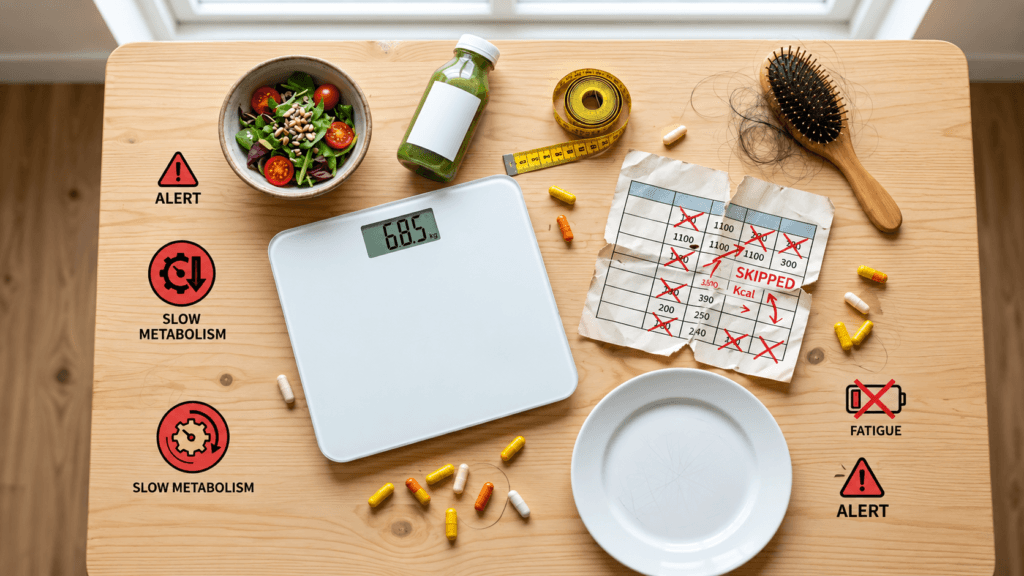
Many people feel confused when they notice Weight Gain Despite Eating Less. They reduce meal portions, avoid snacks, skip dinner, or cut rice intake, yet still see gradual weight increase, abdominal fat, bloating, or rising HbA1c levels.
This pattern is common among people dealing with:
- Type 2 diabetes
- Insulin resistance
- PCOS
- Hormonal imbalance
- Poor sleep
- Chronic stress
- Irregular meal timing
The issue is not always about eating large quantities of food. In many cases, metabolism, blood sugar regulation, stress hormones, sleep quality, and meal timing influence body weight more than total calorie intake alone.
Nourish With Relma provides diabetes nutrition management support for people struggling with:
- gaining weight even when eating less
- diabetes and unexplained weight increase
- insulin resistance and belly fat
- PCOS belly fat despite reduced calories
- unstable blood sugar
- fatigue after meals
- cravings linked to poor glucose control
The focus is practical Indian meal planning, symptom tracking, blood sugar management, and sustainable eating habits rather than restrictive dieting.
Who This Service Is Suitable For
This nutrition service supports:
- adults with Type 2 diabetes
- people with prediabetes
- women with PCOS
- working professionals with irregular meal schedules
- older adults experiencing slow metabolism
- people struggling with insulin resistance and belly fat
- individuals experiencing Weight Gain Despite Eating Less
Many clients seeking help report:
- hunger soon after meals
- tiredness after rice-heavy lunches
- cravings during evening hours
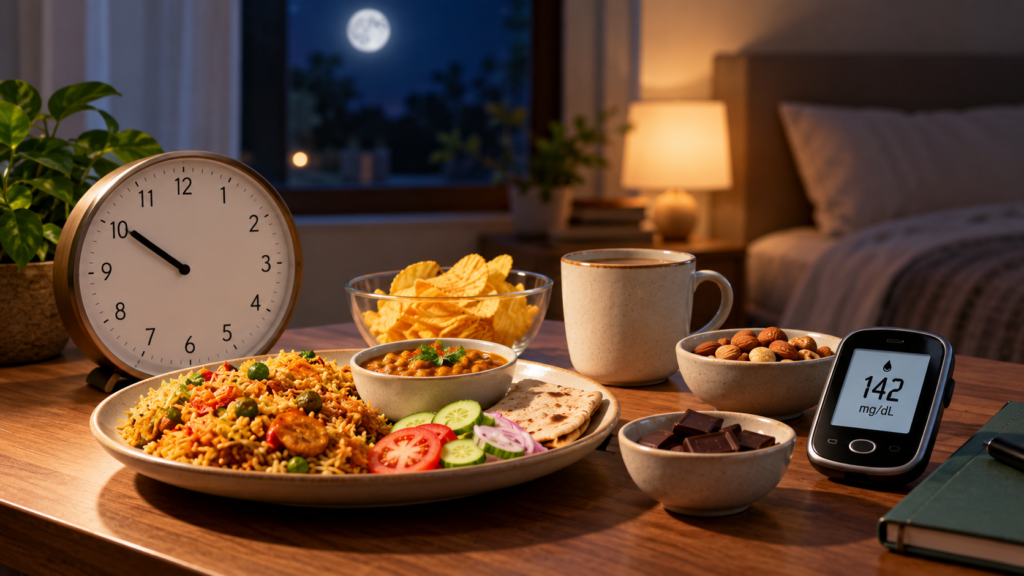
- large late-night dinners
- frequent tea with sugar and biscuits
- inconsistent eating patterns during workdays
The service is also useful for:
- women with post-pregnancy weight retention
- shift workers with poor meal timing
- people with thyroid-related fatigue
- individuals experiencing emotional eating during stress

Understanding Why Weight Gain Happens Even With Reduced Food Intake
One reason for Weight Gain Despite Eating Less is adaptive thermogenesis, sometimes called metabolic adaptation. When food intake becomes extremely low for long periods, the body may attempt to conserve energy. Resting metabolic activity can slow down, spontaneous movement may reduce, and hunger hormones can become disrupted.
People experiencing this pattern often skip breakfast regularly, eat very small lunches, depend on tea or coffee during work hours, or consume large dinners late at night. This eating pattern may increase cravings, worsen blood sugar fluctuations, and reduce energy expenditure over time.
Long-term extremely low-calorie diets are not the only reason for weight gain, but severe restriction combined with stress, poor sleep, and insulin resistance can contribute to metabolic slowdown.
Insulin resistance is one of the most common reasons for gaining weight even when eating less. When cells become less responsive to insulin, the body produces higher insulin levels to manage blood sugar. Elevated insulin can increase fat storage, especially around the abdomen.
Common signs include: belly fat increase, sugar cravings, fatigue after meals, hunger soon after eating, dark skin around the neck or underarms, and rising HbA1c levels. Many people with PCOS experience this pattern. Large rice portions, sugary beverages, poor sleep, and low physical activity can worsen insulin resistance over time.
Hypothyroidism may contribute to: tiredness, constipation, slow metabolism, dry skin, cold intolerance, and gradual weight increase. Some clients report Weight Gain Despite Eating Less even when consuming small portions regularly.
Nutrition support cannot replace medical treatment for thyroid disorders, but structured eating habits and balanced nutrition may help support energy management alongside physician care. For complex endocrine concerns, clients may also require evaluation from an endocrinologist or physician.
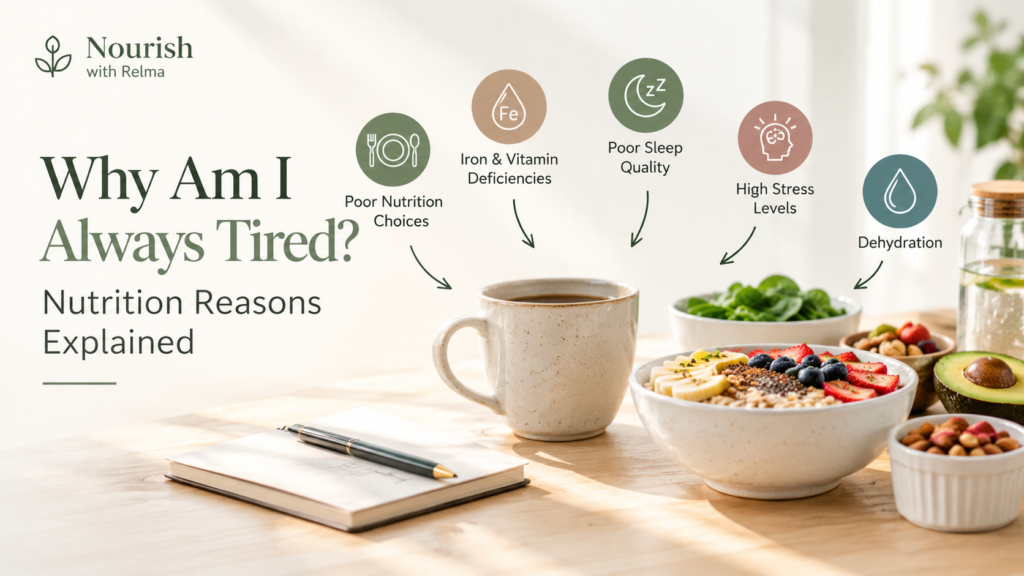
Poor sleep and long-term stress can affect: blood sugar control, hunger hormones, cravings, abdominal fat storage, and energy levels. Sleep deprivation may alter ghrelin, which increases hunger, and leptin, which helps regulate fullness.
Many professionals dealing with diabetes and unexplained weight increase report sleeping less than six hours, eating dinner late at night, stress-related snacking, or taking multiple sugary tea or coffee breaks during work. These patterns may worsen insulin resistance and increase cravings for refined carbohydrates.
Water Retention vs Fat Gain
Not all weight gain comes from body fat. Some people experience water retention caused by:
- high sodium intake
- hormonal changes
- prolonged sitting
- medication side effects
- kidney or heart-related conditions
Signs that fluid retention may be involved: swollen ankles, puffiness in hands or face, rapid short-term weight changes, tight footwear, bloating. Water retention and fat gain are not the same. Rapid changes over a few days often suggest fluid shifts rather than increased fat tissue.
Common Challenges With Rice and Diabetes in Indian Diets
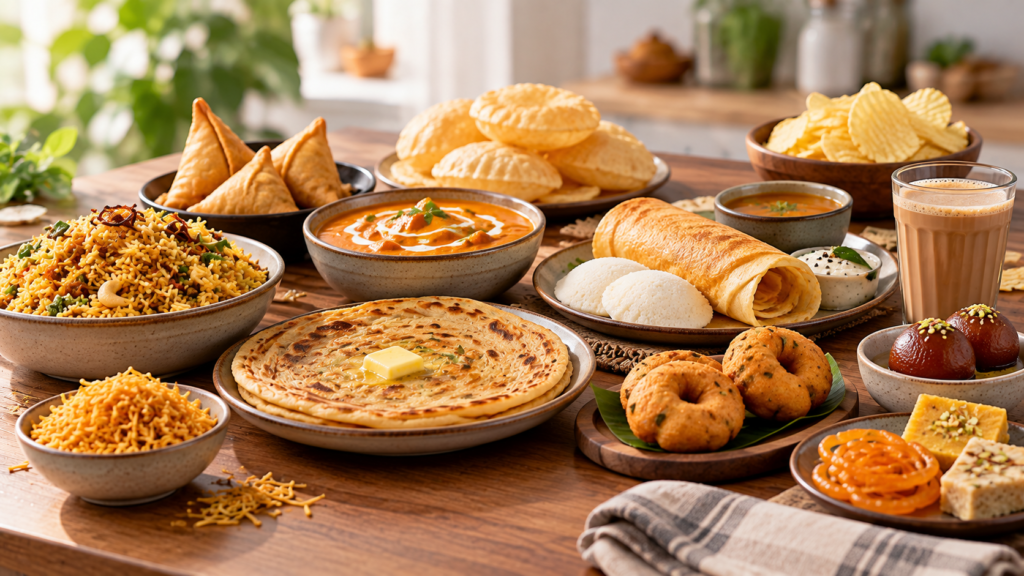
Large portions of plain white rice may increase postprandial glucose quickly in some people. The glucose response depends on portion size, meal composition, fibre intake, activity level, and cooking method. Combining rice with dal, vegetables, curd, eggs, or protein-rich foods may help reduce rapid glucose spikes.
Breakfasts made mostly from refined rice batter without enough protein or fibre may lead to early hunger, low energy, and sugar cravings later in the day. Adding protein and fibre may improve fullness and blood sugar stability.
Many office workers eat very little during the day and consume large dinners late at night after commuting. This pattern may worsen insulin resistance, acid reflux, poor sleep, and abdominal fat accumulation. Meal timing correction is often an important part of diabetes nutrition management.
Brown rice contains more fibre and may slow glucose rise in some individuals. However, quantity and meal balance remain important. Some people tolerate moderate portions of white rice reasonably well when meals include vegetables, protein, fibre, and portion control.
What Happens During the Nutrition Consultation
- Detailed Food and Symptom Assessment: The consultation includes review of meal timing, rice intake frequency, cravings, energy fluctuations, digestive symptoms, sleep quality, stress levels, and physical activity. Clients experiencing Weight Gain Despite Eating Less often identify hidden eating patterns during this stage.
- Blood Sugar and HbA1c Review: Where available, fasting glucose, HbA1c levels, postprandial glucose readings, and medication schedules may be reviewed. The American Diabetes Association highlights the importance of individualized nutrition planning and blood sugar monitoring for long-term diabetes management.
- Meal Timing and Portion Analysis: Meal spacing, breakfast skipping, late-night eating, and tea-time snacking patterns are evaluated carefully. Portion guidance may include rice serving adjustments, protein balance, fibre intake, snack planning, and restaurant eating strategies. The focus remains practical rather than restrictive.
Nutrition Strategies Commonly Used
Rice Portion Planning: The service focuses on balanced rice portions, meal combinations, resistant starch methods, and lower GI alternatives where suitable. Some clients benefit from cooling cooked rice before reheating because resistant starch formation may slightly reduce glucose impact in certain cases.
Protein and Fibre Distribution: Adequate protein and fibre may help reduce cravings, improve fullness, support blood sugar stability, and improve meal consistency.
Blood Sugar-Friendly Snack Support: Clients receive practical snack ideas that reduce reliance on packaged sweets, fried snacks, sugary biscuits, and sweetened beverages.
Sleep and Stress Management Support: Nutrition discussions may include caffeine timing, evening eating habits, late-night snacking, and stress-related eating triggers. Poor sleep and stress are frequently linked with insulin resistance and belly fat accumulation.
Step-by-Step Nutrition Support Process
Symptoms, food habits, sleep patterns, activity levels, and medical history are reviewed.
Clients may track meals, cravings, hunger, blood sugar readings, and energy changes.
A structured diabetes meal plan is created using realistic Indian foods commonly eaten at home.
Clients begin meal adjustments while monitoring energy, cravings, digestion, and blood sugar patterns.
Progress related to insulin resistance, HbA1c, cravings, meal timing, abdominal fat, and gaining weight even when eating less is reviewed regularly.
Clients receive practical guidance for travel eating, restaurant meals, office schedules, social gatherings, and festival eating patterns.
Pricing Guidance
- Initial consultation: ₹1,500–₹3,000
- Follow-up consultation: ₹800–₹2,000
- Monthly nutrition support: ₹4,000–₹12,000
Pricing depends on medical complexity, follow-up frequency, PCOS or thyroid concerns, detailed glucose tracking needs, and pregnancy or sports nutrition support. Final pricing is confirmed during consultation.
Realistic Outcomes Clients Commonly Report
One client with insulin resistance and evening cravings improved meal timing and reduced late-night overeating within several weeks. HbA1c levels gradually improved over time.
Another client with PCOS belly fat despite reduced calories developed more consistent eating patterns and improved energy levels after adjusting protein intake and reducing sugary beverages.
A working professional struggling with diabetes and unexplained weight increase reported fewer post-meal crashes after balancing rice intake with protein and fibre.
Results vary depending on medical conditions, medication use, stress levels, sleep quality, consistency, and physical activity.
Right Fit vs Wrong Fit Framework
This Service May Be Suitable If You:
- experience Weight Gain Despite Eating Less
- have Type 2 diabetes or prediabetes
- struggle with insulin resistance and belly fat
- want practical Indian meal planning
- need support managing rice intake
- experience cravings or unstable hunger
This Service May Not Be Suitable If You:
- want rapid crash-diet results
- expect overnight changes
- prefer extremely restrictive eating methods
- need emergency medical treatment instead of nutrition support
Frequently Asked Questions
This may happen because of insulin resistance, stress hormones, poor sleep, slow metabolism, thyroid dysfunction, fluid retention, or irregular meal timing. Extremely restrictive eating can also affect metabolism and hunger regulation.
Yes. Many people with diabetes continue eating white rice in controlled portions. Meal balance, fibre intake, activity level, and total carbohydrate intake are important factors.
Brown rice contains more fibre and may produce a slower glucose response in some people. However, portion control and overall meal structure remain important.
There is no universal limit. Suitable intake depends on blood sugar control, activity level, medication use, and total meal composition.
Yes. Long-term stress may increase cortisol levels, affect sleep quality, worsen cravings, and increase abdominal fat storage.
Yes. Poor sleep can disrupt hunger hormones, increase cravings, and worsen glucose regulation.
No. Water retention causes swelling and rapid short-term weight fluctuations, while fat gain usually develops more gradually.
A dietitian creates structured meal systems based on glucose patterns, medication use, and lifestyle factors. This supports stable improvement in glycated hemoglobin levels over time.
Conclusion
If you're noticing an unexpected pattern of metabolic storage despite reducing food quantities, generic starvation setups rarely offer long-term metabolic correction. Book an initial consultation with Nourish With Relma to structure sustainable everyday habits tailored to your unique metabolic profile.