New Year Weight Loss Challenges in Mysore: 30-Day Diet Plan to Kickstart Fat Loss (2025)
January 2025 feels familiar across Mysore. Work routines restart after holidays, clothes fit tighter, and weight loss becomes a priority. Motivation runs high during the first two weeks. By the end of the month, many feel tired, hungry, and disappointed with slow results.
This cycle repeats because most New Year plans do not match how people in Mysore actually eat, work, commute, and recover.
This guide explains why New Year Weight Loss Challenges in Mysore: 30-Day Diet Plan to Kickstart Fat Loss feel harder than expected, what blocks progress during January, and how a 30-day diet plan built around local food habits, metabolic science, and real daily schedules supports fat loss without extreme restriction.
Why Weight Loss Struggles Are Common in Mysore During January
Mysore follows a structured daily rhythm. Offices near Hebbal Industrial Area, Hootagalli, and government zones begin early. Many professionals leave home without a full breakfast, relying only on tea or coffee. Lunch becomes rice-heavy for convenience. Evening hunger increases after long sitting hours and commutes.
Walking spaces such as Kukkarahalli Lake and Lingambudhi Lake remain active, yet cooler January mornings reduce consistency. Water intake also drops during this season, which affects digestion and appetite signals.
National Family Health Survey (NFHS-5) data shows a steady rise in abdominal obesity among Indian adults, especially in urban and semi-urban populations. Clinical nutrition practice consistently shows that meal timing and insulin response, not just calorie intake, drive this pattern.
A successful New Year weight loss challenge in Mysore must correct timing, composition, and recovery, not simply reduce food.
The Hidden Metabolic Problem Behind Failed Diets
Fat loss depends on insulin sensitivity, stress hormone control, gut health, and daily movement.
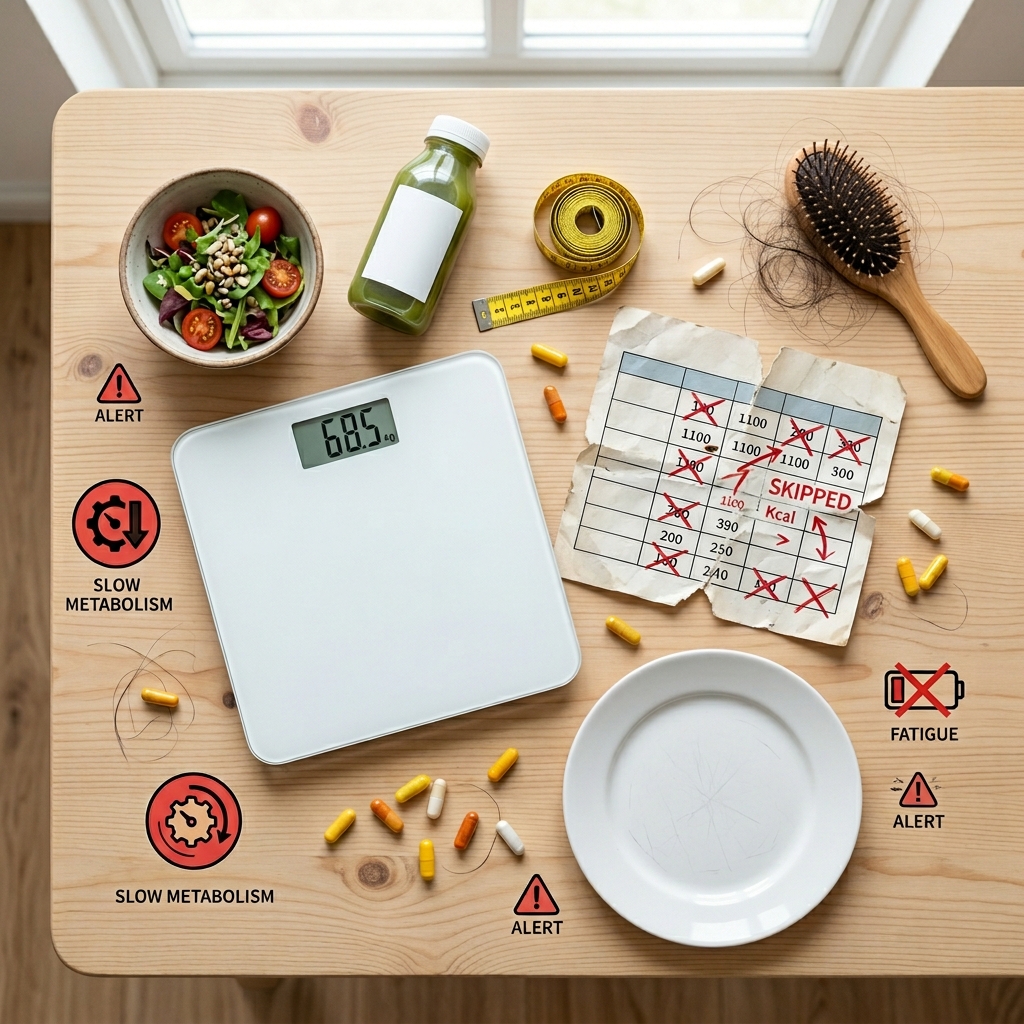
When breakfast is skipped during New Year Weight Loss Challenges in Mysore: 30-Day Diet Plan to Kickstart Fat Loss, blood sugar often drops by mid-morning. Cortisol rises to compensate, and sustained cortisol elevation encourages fat storage, particularly around the abdomen. Late dinners combined with short sleep further worsen this metabolic response.
Research summaries from Indian nutrition bodies consistently report that adults sleeping fewer than six hours show poorer glucose control and slower fat loss. This explains why “eating less” alone fails.
Why Local Foods Support Fat Loss Better
The digestive system adapts over years to familiar foods. Sudden replacement with foreign grains or liquid diets disrupts gut bacteria, which influences appetite hormones such as leptin and ghrelin.
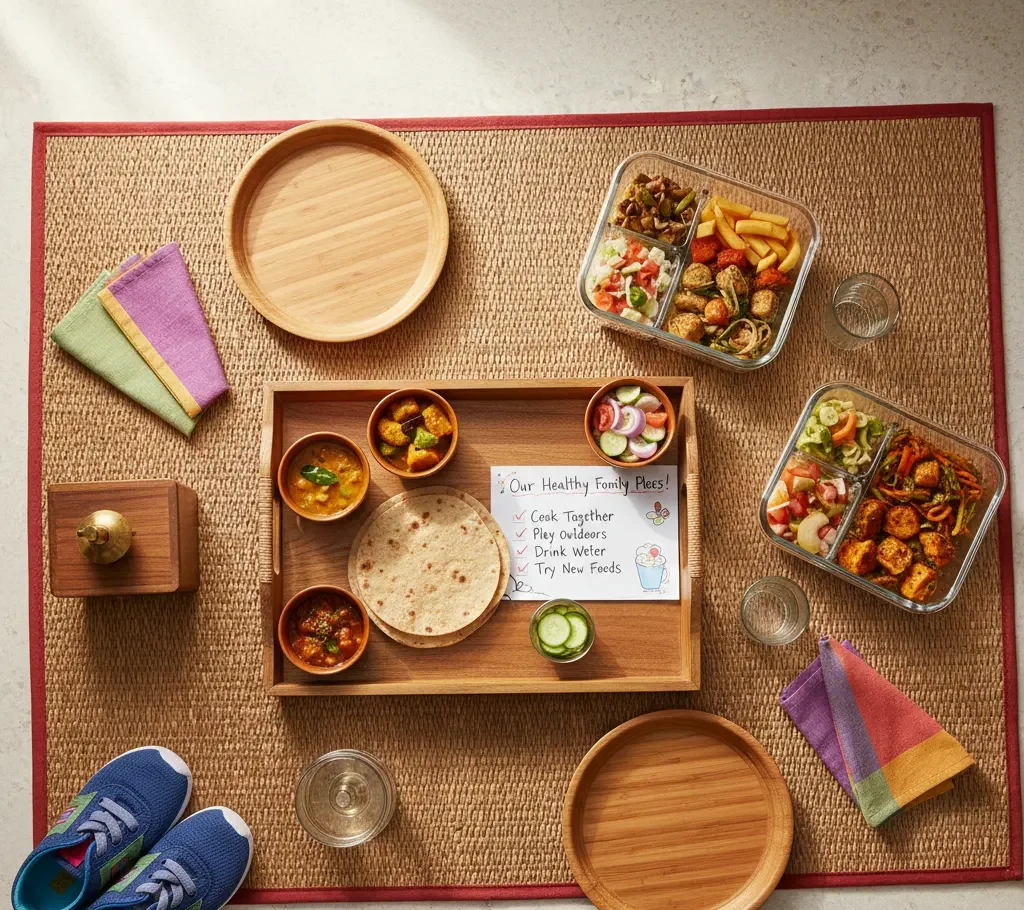
Ragi has a lower glycemic load than polished rice when portioned correctly, leading to slower glucose release. Idli and dosa become supportive when paired with protein, reducing post-meal sugar spikes. Curd improves gut bacterial balance, which affects insulin response and hunger control.
Fat loss improves when meals stabilize blood sugar rather than trigger repeated spikes.
How This 30-Day Plan Works

This plan focuses on metabolic correction first, followed by fat loss.
Instead of calorie obsession, the plan works on:
- consistent meal timing
- protein distribution across the day
- portion awareness
- daily non-exercise movement (NEAT)
- sleep regularity
These factors directly influence insulin response, cortisol levels, and fat storage.
Week One: Digestive Reset and Daily Rhythm
The first week corrects bloating, irregular hunger, and fatigue.
Most people notice reduced bloating within seven days when meals become regular. Breakfast includes protein to reduce cravings later. Lunch remains balanced rather than restrictive. Dinner becomes lighter and earlier.
A typical Mysore-friendly day:
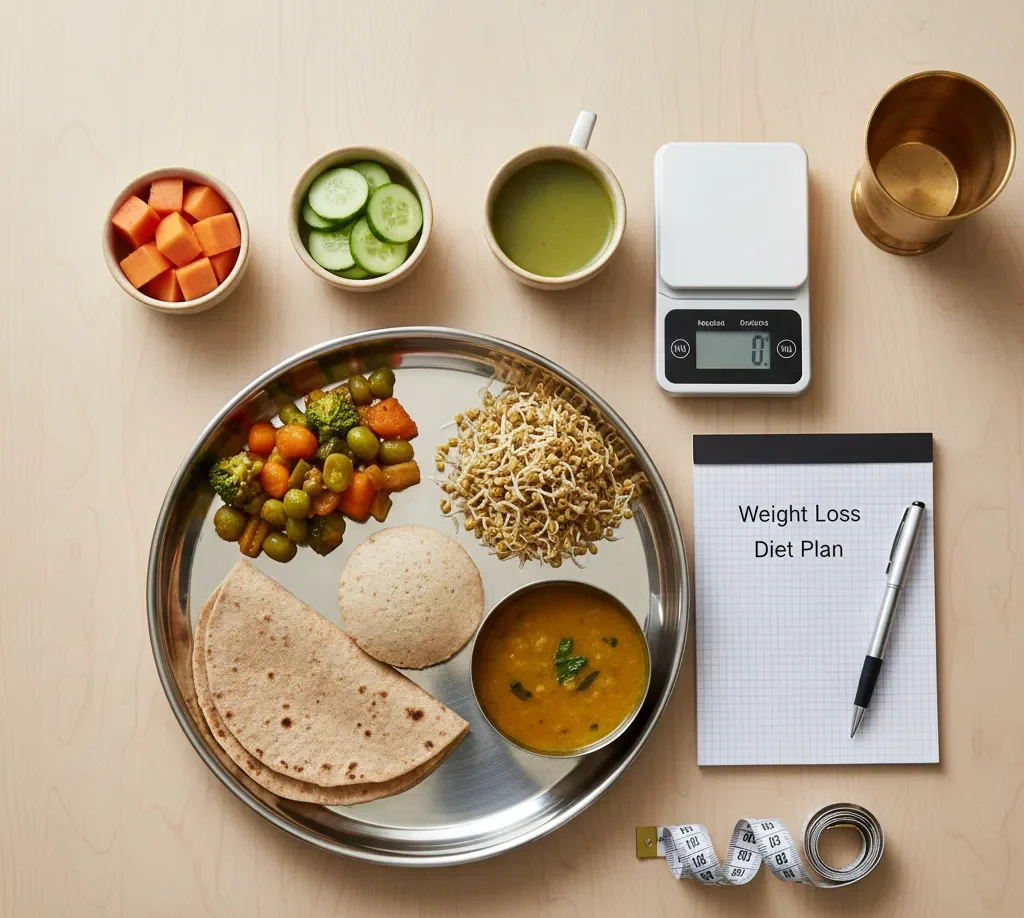
Warm water in the morning. Breakfast within one hour, such as vegetable omelette with toast or idli with sambhar plus sprouts. Lunch with rice or millet, vegetables, dal, and a protein source. Evening snacks shift from biscuits to roasted chana or buttermilk. Dinner focuses on vegetables and protein.
No weight loss target during this phase. The goal is metabolic readiness.
Week Two: Portion Awareness and Insulin Control
This stage reduces overeating without hunger.
Protein increases slightly across meals. Rice portions reduce gradually. Vegetables increase, improving fiber intake. This improves post-prandial glucose control, reducing insulin spikes.
Many people report fewer evening cravings by the end of this week, a sign of improving insulin sensitivity.
Week Three: Fat Loss Activation and Hormonal Balance
By this stage, digestion stabilizes and hunger signals improve. Fat loss becomes more visible.
During New Year Weight Loss Challenges in Mysore: 30-Day Diet Plan to Kickstart Fat Loss, sleep becomes critical. Poor sleep raises cortisol, which can block fat breakdown even when calorie intake is controlled. Gentle walking and light strength movements help increase daily energy expenditure without adding stress.
Seeds such as flaxseed support hormone metabolism and bowel regularity.
Week Four: Habit Lock-In and Weight Stability
The final week prevents rebound weight gain.
Eating becomes intuitive rather than rule-driven. Hunger and fullness cues become clearer. This phase determines whether weight remains stable after the challenge ends.
Movement That Fits Mysore Lifestyles
Daily walking remains the most sustainable option. Areas around Kukkarahalli Lake, residential layouts, and quiet morning roads support consistency.
Thirty minutes daily is sufficient. Light strength routines preserve muscle mass, which maintains metabolic rate.
Exercise supports fat loss. Food structure controls it.
Common Local Errors That Delay Results
- Skipping breakfast due to early office hours increases evening overeating.
- Sharp food restriction combined with long sitting hours lowers metabolic rate.
- Detox drinks and juice cleanses offer no fat-loss benefit. The liver already manages detoxification.
Who Should Use Caution

People with diabetes, thyroid conditions, pregnancy, or post-surgery recovery need individual guidance. Rapid changes without supervision may affect health markers.
How Progress Should Be Measured
Scale weight alone misleads.
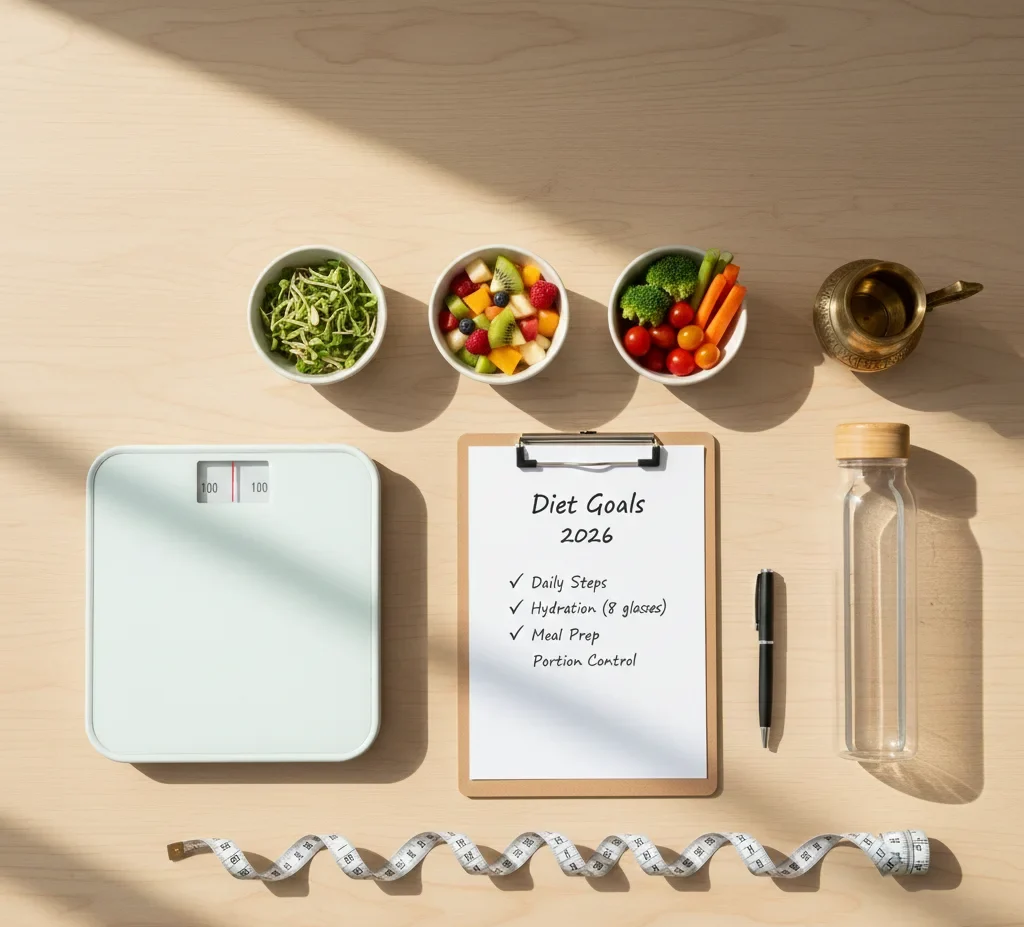
Better indicators include waist measurement, digestion quality, energy levels, sleep quality, and hunger control. Safe fat loss typically ranges between 0.5 and 1 kg per week depending on body composition.
Visual Aids Recommended for This Page
For better clarity and engagement:
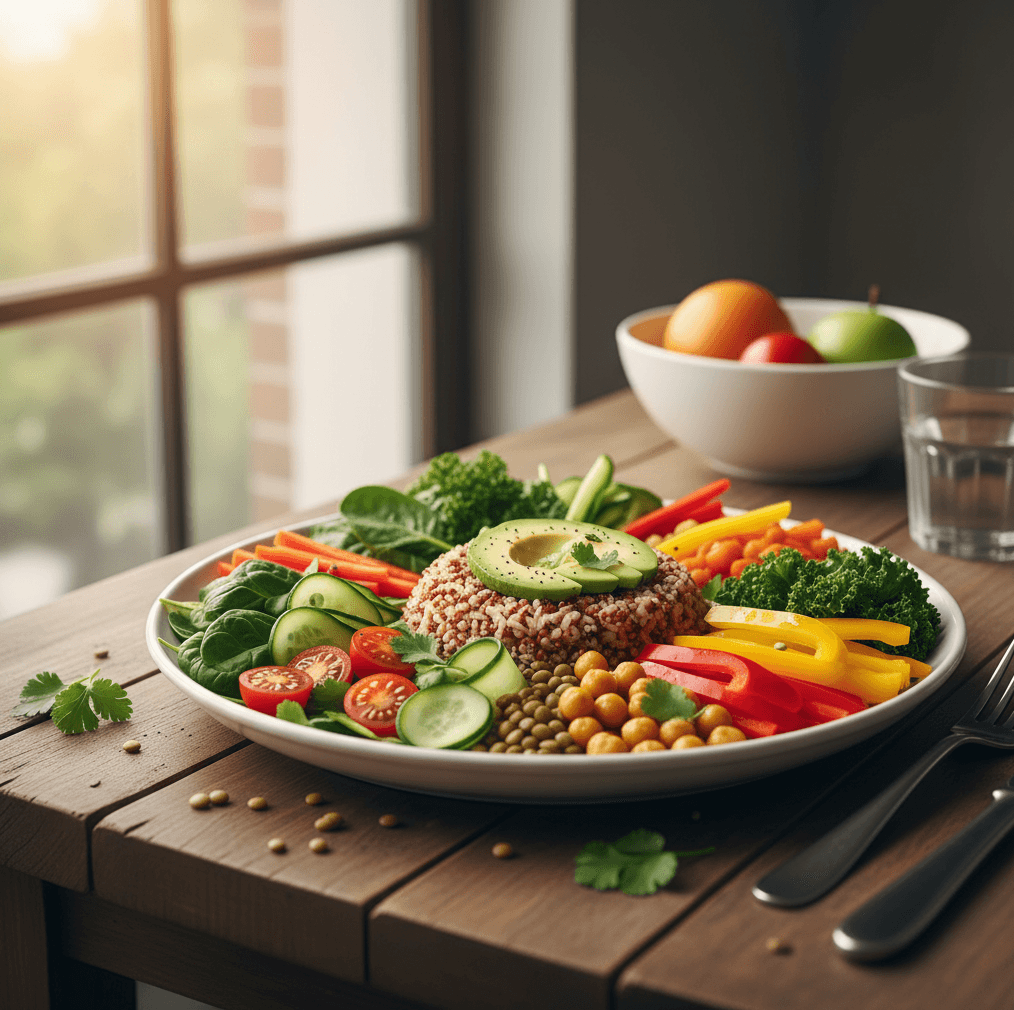
- A plate diagram showing rice, vegetables, and protein proportions
- A 30-day timeline highlighting weekly focus shifts
- A simple walking map showing common Mysore walking zones
These improve understanding and reduce drop-off.
Content Review and Expertise
Reviewed by Relma, MSc Clinical Nutrition, with over six years of experience guiding clients through New Year Weight Loss Challenges in Mysore: 30-Day Diet Plan to Kickstart Fat Loss, as well as supporting weight management, PCOS care, digestive health, and lifestyle conditions for Mysore residents and working professionals.
Practice experience includes insulin resistance correction, stress-related weight gain, and post-pregnancy recovery.
Location: Mysore, Karnataka.
Medical consultation is advised before starting any structured weight loss plan when health conditions exist.
What To Do Next

Repeated weight loss failure usually signals poor structure, not poor discipline.
The next step is a nutrition assessment reviewing eating patterns, work schedules, digestion, stress load, and sleep. Structured guidance improves consistency and results.
Take the First Step Toward Sustainable Weight Loss in 2025 in Mysore
If you are facing New Year Weight Loss Challenges in Mysore: 30-Day Diet Plan to Kickstart Fat Loss, begin with simple food habits, not extreme dieting.
Start with one clear step this week. Track all meals, snacks, and tea or coffee timings for seven days. Many people in Mysore skip breakfast or eat late dinners, which slows fat loss. Writing it down improves awareness.
Add one protein-rich local food to every main meal. Ragi, lentils, curd, eggs, sprouts, or paneer help control hunger and reduce overeating. Increase daily water intake based on weather and activity levels.
Small, steady changes support long-term results better than quick plans.
If weight gain is linked to PCOS, digestion issues, stress, or repeated dieting, guided nutrition support can help.
Visit: 3rd Floor, Shoumik’s Shetty Mansion, Vijayanagar, Mysuru
Call / WhatsApp: 07019 764856
Website: https://nourishwithrelma.com/
Consistent habits over 30 days build a strong base for healthier weight control in 2025.