How to Set Realistic Diet Goals in 2026: A Step-by-Step Guide for Sustainable Weight Loss in Mysore

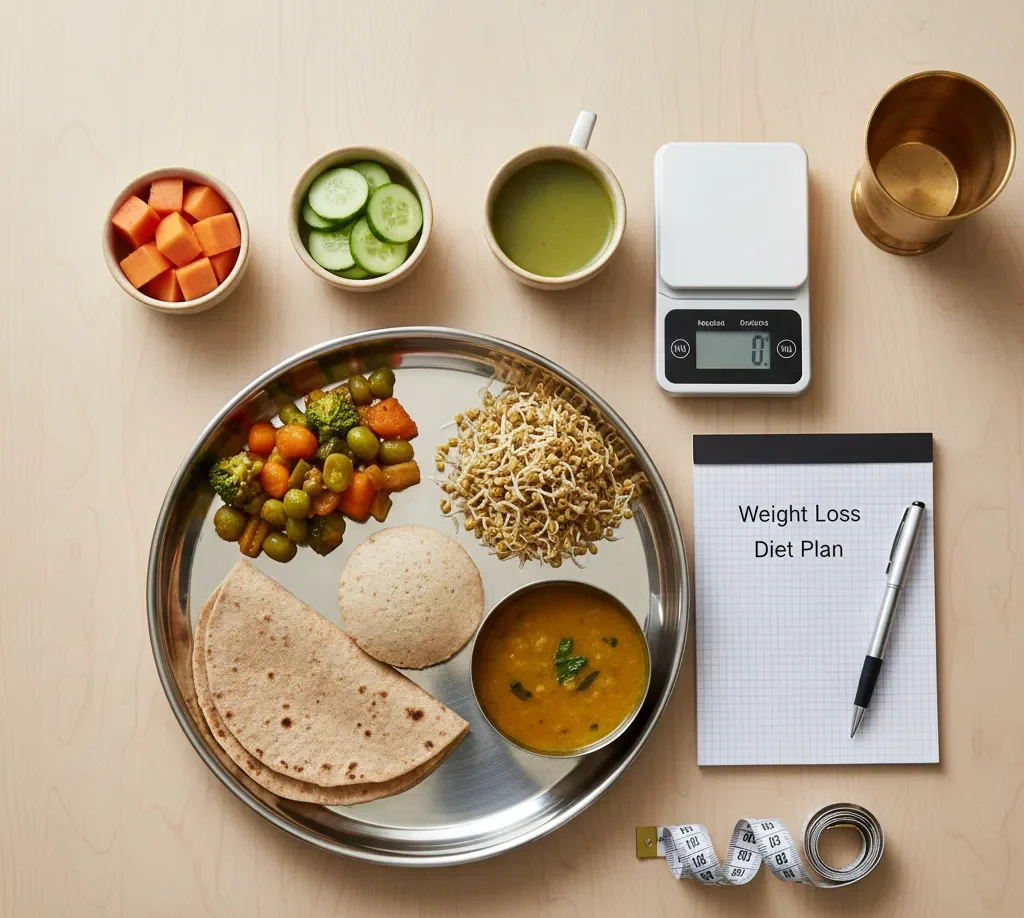
Starting a New Year diet plan is challenging, especially when juggling work, family, and Mysore’s seasonal lifestyle. Many professionals set ambitious targets but abandon them within weeks. Learning “How to Set Realistic Diet Goals in 2026: A Step-by-Step Guide for Sustainable Weight Loss” is not about following trends—it’s about building habits that match your body, routine, and local environment while supporting long-term health and sustainable weight management.
This guide combines evidence-based nutrition, regional context, and actionable strategies to help you plan your diet goals effectively in 2026.
Quick Overview: Why Realistic Goals Matter
- Losing 0.5–1 kg per week is considered safe and effective.
- Overly strict or extreme diets often lead to rebound weight gain.
- Sustainable goals focus on behavioral change, not only on the scale.
- Local insight: In Mysore, daily routines, work culture, and climate can affect meal timing, energy expenditure, and hydration needs. Incorporating these factors improves adherence.
Step 1: Analyze Your Current Lifestyle
Understanding your starting point is crucial. Begin with a 7–14 day lifestyle audit, recording:
- Meals, portion sizes, and timing (e.g., office lunch at 1 PM, dinner at 8 PM)
- Physical activity levels (NEAT: daily non-exercise activity, such as commuting or stair use)
- Sleep patterns (circadian rhythm influences hunger hormones like ghrelin and leptin)
- Stress triggers and hormonal fluctuations
Insight: Studies (Indian Journal of Clinical Nutrition, 2025) show adults who track both timing and composition of meals achieve 20% higher adherence to diet plans.
Visual suggestion: Include a daily habit tracker table showing meals, water intake, steps, and stress levels.
Step 2: Set Measurable and Meaningful Goals
Vague intentions fail. Apply SMART principles with a local twist:
- Specific: “I will include 2 servings of Mysore seasonal vegetables like bottle gourd and spinach at lunch and dinner.”
- Measurable: Track daily servings and water intake.
- Achievable: Start with small increments, e.g., walking 20–30 minutes after office hours.
- Relevant: Align goals with personal health needs, like PCOS management or improving insulin sensitivity.
- Time-bound: Set weekly checkpoints to review progress.
Local insight: Consider Mysore’s humid winter climate; hydration goals may need adjustment (extra water in mornings and afternoons).
Step 3: Optimize Nutrition for Metabolic Health
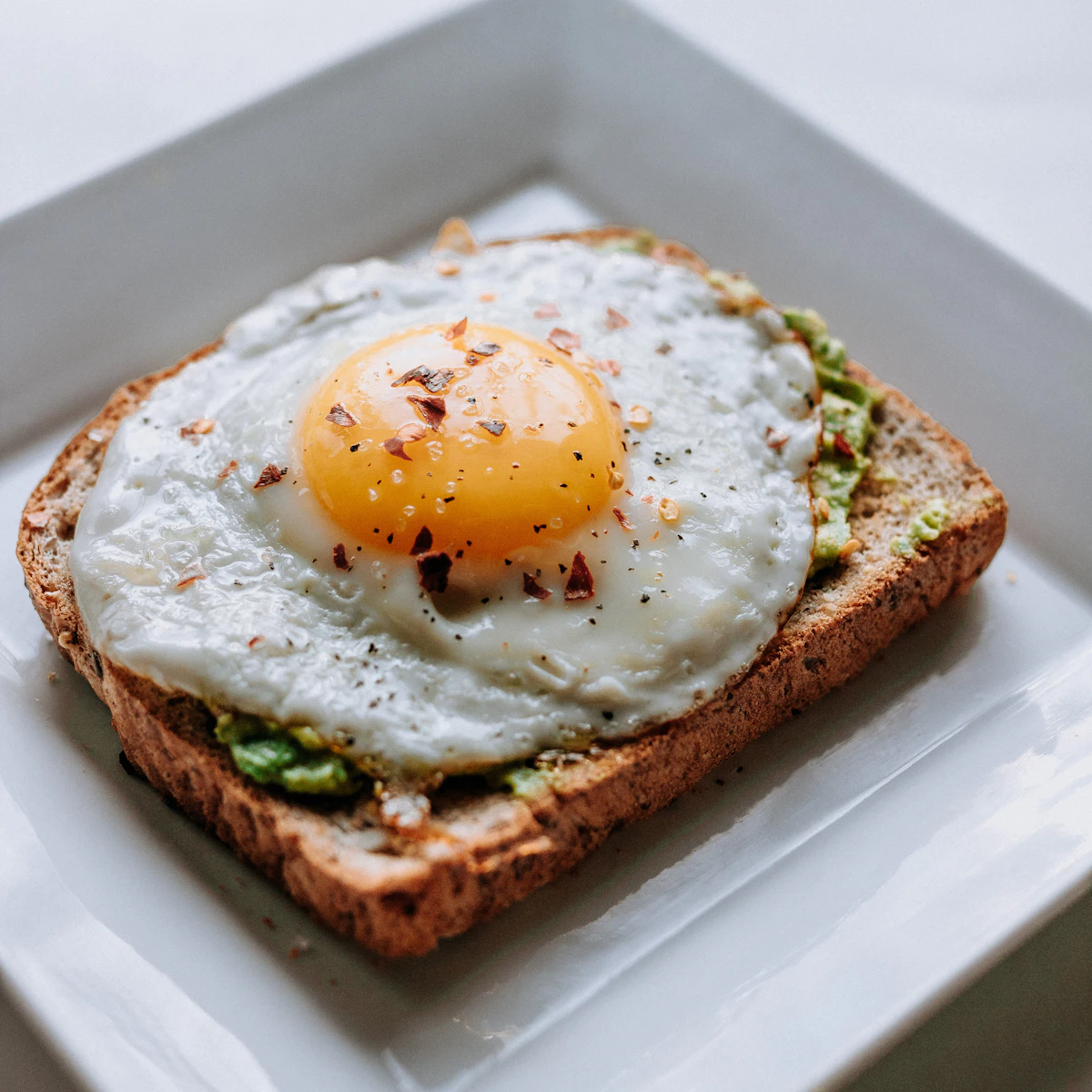
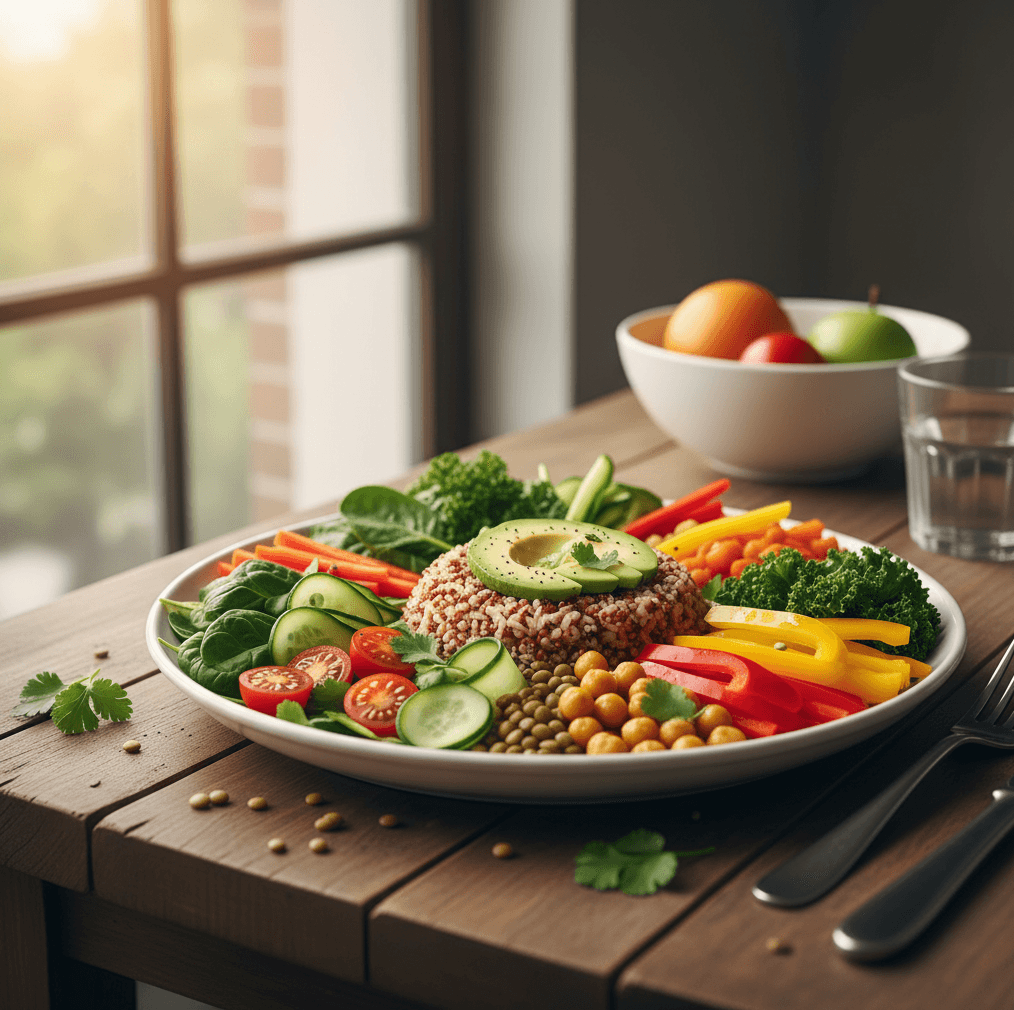
Healthy breakfast for weight loss and energy.
- Protein: Eggs, moong dal, fish, lean chicken – preserves muscle and supports satiety
- Complex Carbs: Oats, ragi, brown rice – stabilize blood sugar
- Healthy Fats: Avocado, nuts, sesame oil – modulate cortisol and hormone balance
- Fiber: Vegetables, fruits, legumes – support gut-brain axis and digestion
Mechanism insight: Following “How to Set Realistic Diet Goals in 2026: A Step-by-Step Guide for Sustainable Weight Loss” ensures that adequate protein and fiber stabilize insulin response, enhancing fat oxidation. Timing meals around your circadian rhythm (higher carbs earlier in the day) improves energy, metabolic efficiency, and long-term adherence to sustainable weight management.
Step 4: Plan Short-Term and Long-Term Milestones
- Short-term: Add 1 extra vegetable per meal, walk 5,000–7,000 steps/day, limit late-night snacking.
- Long-term: Lose 8–10 kg in six months, maintain steady energy throughout the day, reduce visceral fat percentage by 5–7%.
Visual cue: Use a milestone timeline chart showing weekly goals, weight change targets, and habit markers.
Step 5: Integrate Local Lifestyle Factors
- Work culture: Many office professionals eat at irregular times; plan balanced, portable meals.
- Climate: Hot months increase water needs; cold months may reduce appetite—adjust portions accordingly.
- Markets: Use seasonal produce (carrot, cabbage, ridge gourd) for cost-effective, nutrient-rich meals.
- Walking routes: Suggest local parks like Kukkarahalli Lake for post-lunch or evening walks.
Tip: Align meal timing with work schedule and commute patterns for higher adherence.
Step 6: Monitor Progress With Insight
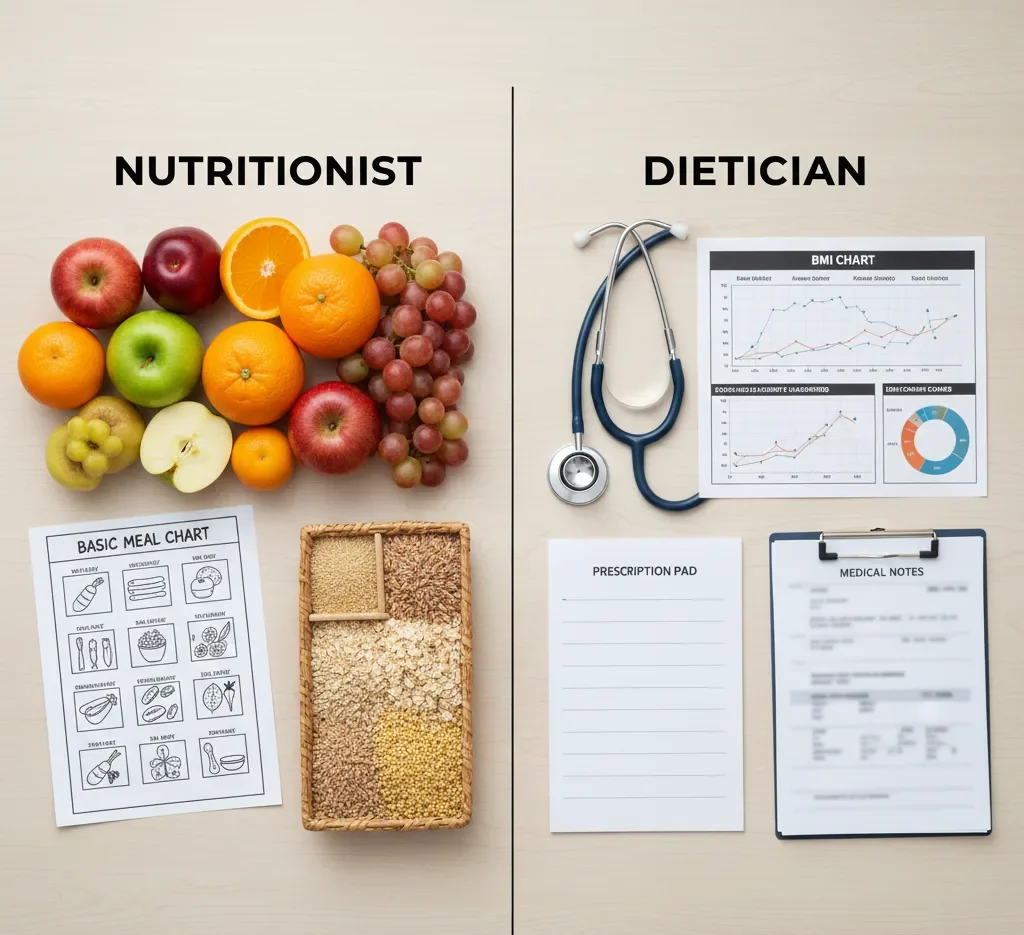
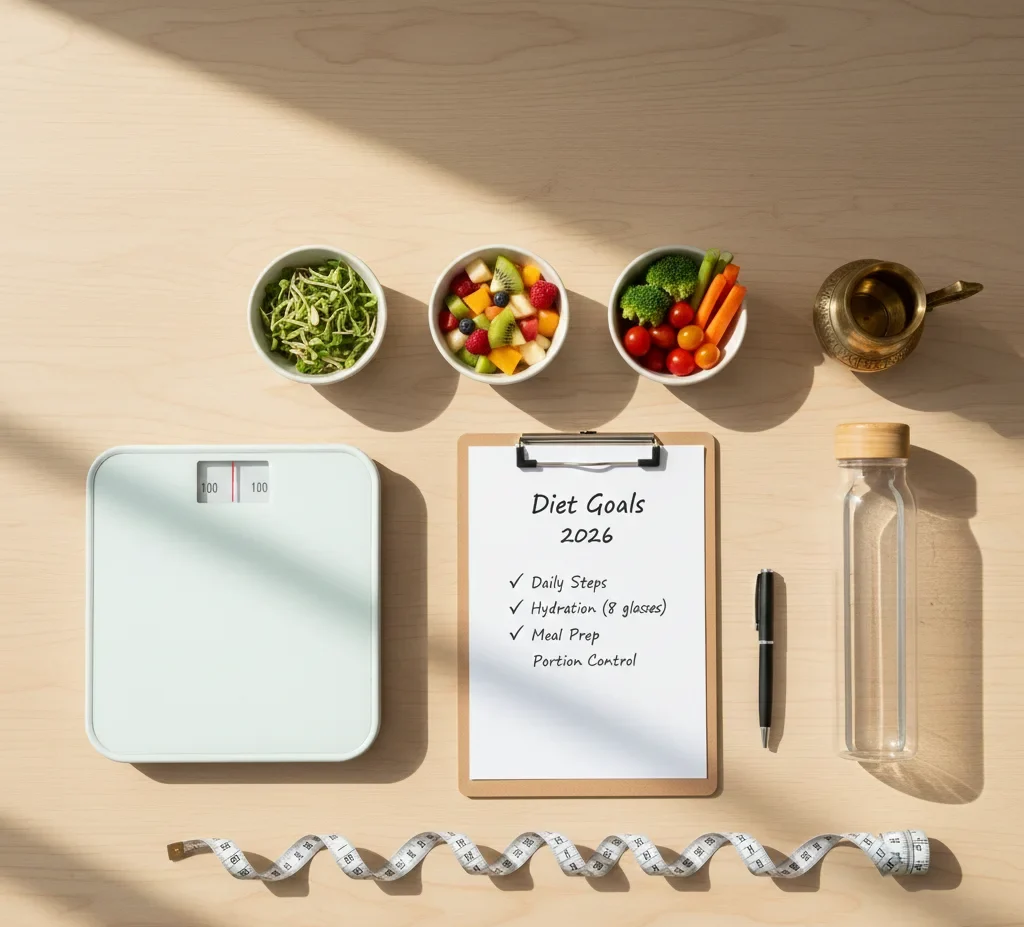
Monitoring progress for sustainable weight loss.
- Body measurements (waist, hips, mid-arm)
- Muscle mass and fat percentage
- Non-scale outcomes: energy, mood, sleep quality
Tech insight: Mobile apps for calorie and macronutrient tracking, coupled with step counters, improve compliance by 30% (Behavioral Nutrition Study 2025).
Step 7: Address Challenges and Plateaus
- Stress-hormone impact: Elevated cortisol may block fat breakdown. Mindful practices or 10-minute post-meal walks help.
- Insulin spikes: Limit late-night high-carb meals; combine protein and fiber for balanced glucose response.
- Physical activity (NEAT): Increase incidental movement—take stairs, short walks during office breaks.
Visual suggestion: Diagram linking stress, sleep, hormones, and diet outcomes.
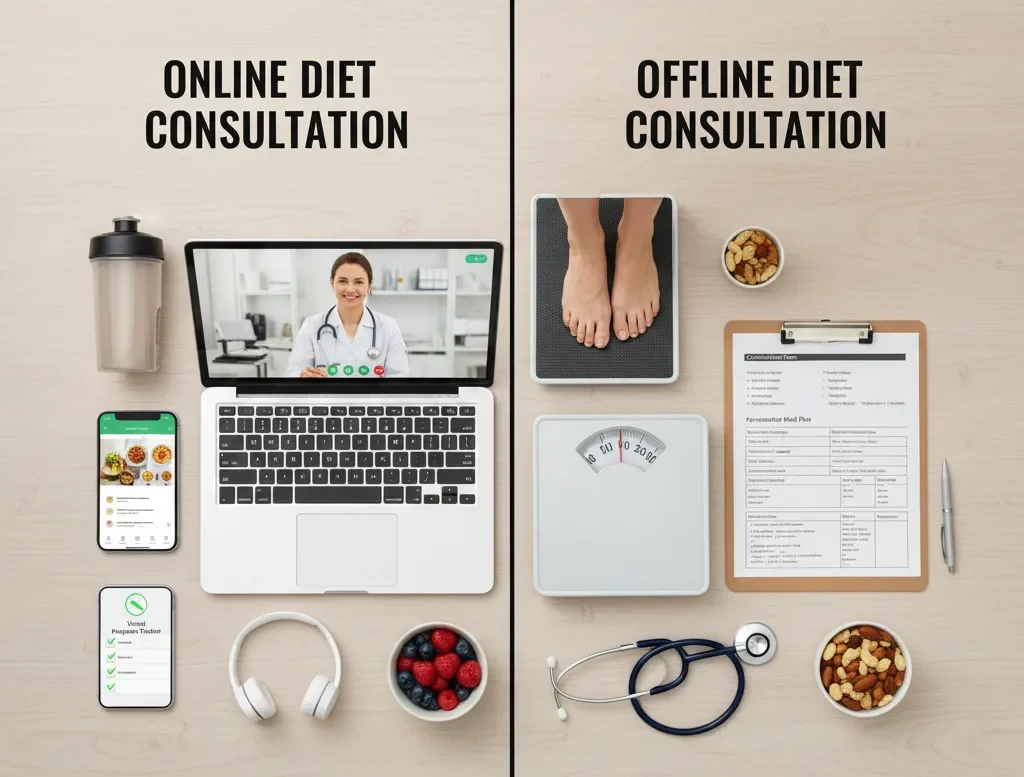
Step 8: Seek Professional Guidance
Author insight: This guide, “How to Set Realistic Diet Goals in 2026: A Step-by-Step Guide for Sustainable Weight Loss”, is reviewed by Relma Shukla, MSc Clinical Nutrition, with over six years of experience supporting weight management, PCOS, digestive health, and lifestyle conditions in Mysore.
- Personalized plans address metabolic differences and medical conditions.
- Professional guidance increases adherence and reduces risk of nutrient deficiencies.
Visual cue: Add an author box with credentials and client testimonial highlights.
Step 9: Emphasize Habits Over Short-Term Results
- Building healthy daily habits consistently: Regular meal patterns
- Mindful eating and slow consumption
- Moderate, enjoyable physical activity
Mechanism insight: Habits influence gut microbiome diversity, circadian hormone regulation, and insulin sensitivity—crucial for long-term weight stability.
Step 10: Celebrate Non-Scale Wins
- Improved energy
- Better sleep and focus
- Consistent meal timing
- Increased physical stamina
Visual cue: Use a checklist or badge system to mark weekly achievements.
Step 11: Leverage Technology and Modern Trends
- Use apps for meal reminders, habit tracking, and water intake monitoring
- Smart scales for tracking body composition
- Online communities for motivation and accountability
Behavioral insight: Integrating technology improves habit formation and self-efficacy for sustainable diet goals in 2026.
FAQs
Q1: Can busy professionals in Mysore realistically follow this plan?
A: Yes, plans are designed to fit office schedules and commuting patterns, including portable meals and short walking routines.
Q2: How long will it take to see metabolic improvements?
A: With consistent habits, noticeable changes in energy, digestion, and insulin response may appear in 4–6 weeks.
Q3: Can I include traditional Indian foods?
A: Absolutely—focus on preparation methods, portion control, and seasonal produce for balanced nutrition.
Q4: Do I need to follow strict calorie counting to see results?
A: No. Focusing on meal timing, balanced portions, and food quality often delivers better results than rigid calorie tracking.
Q5: Will this approach work if I have PCOS, thyroid issues, or high stress?
A: Yes, the plan emphasizes consistency, adequate protein intake, and stress-aware habits that support hormonal and metabolic health over time.
Take the First Step Toward Sustainable Weight Loss in 2026 in Mysore

If you’re ready to make meaningful progress with your health this year, start with one simple step this week:
- Track your daily meals and snacks consistently for seven days.
- Include one protein-rich local food, like ragi, moong dal, or sprouts, in your main meals.
- Increase your daily water intake according to your activity level and Mysore climate.
Author insight: Reviewed by Relma Shukla, MSc Clinical Nutrition, this “How to Set Realistic Diet Goals in 2026: A Step-by-Step Guide for Sustainable Weight Loss” draws on over six years of experience helping clients in Mysore with weight management, PCOS, digestive health, and overall lifestyle improvements.
Visit Us:
3rd Floor, Shoumik’s Shetty Mansion,
837, General Thimmaiah Rd, near Aishwarya Petrol Bunk,
Vijayanagar 1st Stage, Vijayanagar, Mysuru,
Karnataka 570016
Call / WhatsApp: 07019 764856
Hours: Closed · Opens 11 am
Website: https://nourishwithrelma.com
Taking this step now sets the foundation for tracking habits, improving nutrition, and achieving sustainable weight loss in 2026.