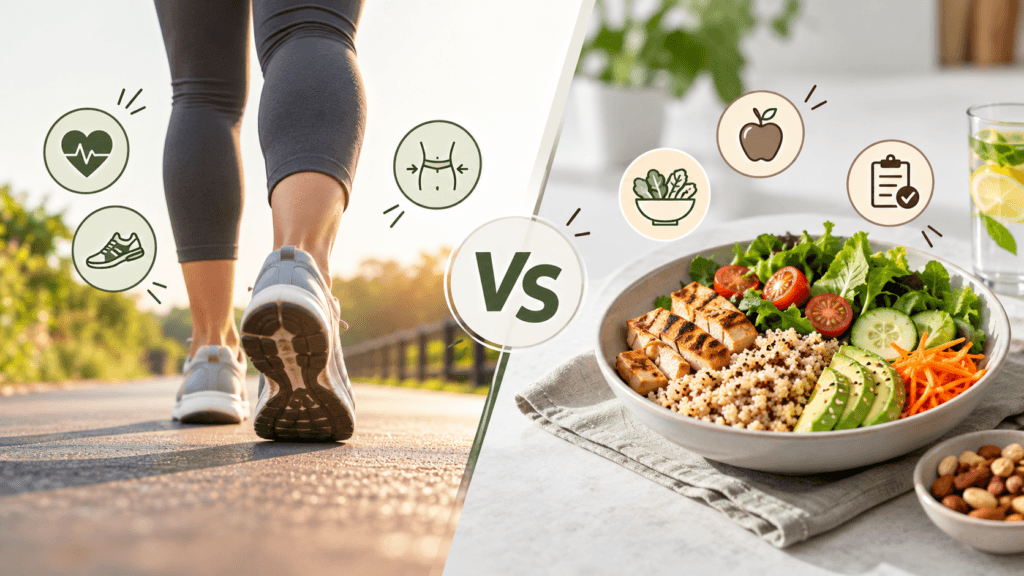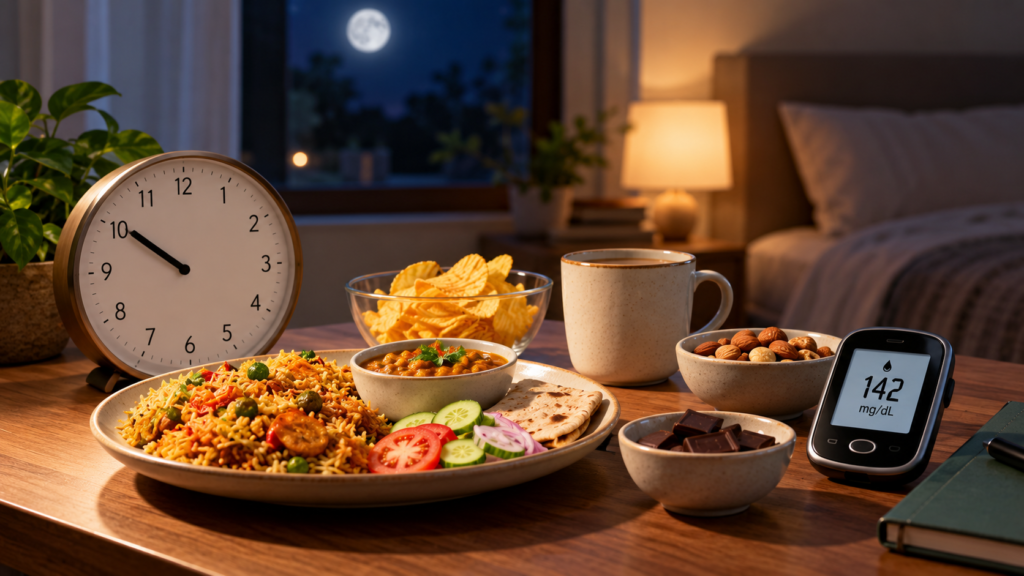
Irregular periods, persistent acne, unexpected weight changes and unwanted facial hair can raise questions about hormonal health. Many women in India hear the terms PCOS and PCOD when discussing these symptoms. They are often used interchangeably, which can make it difficult to understand whether they refer to different conditions.
So, is PCOS different from PCOD? And does the distinction affect how you should eat?
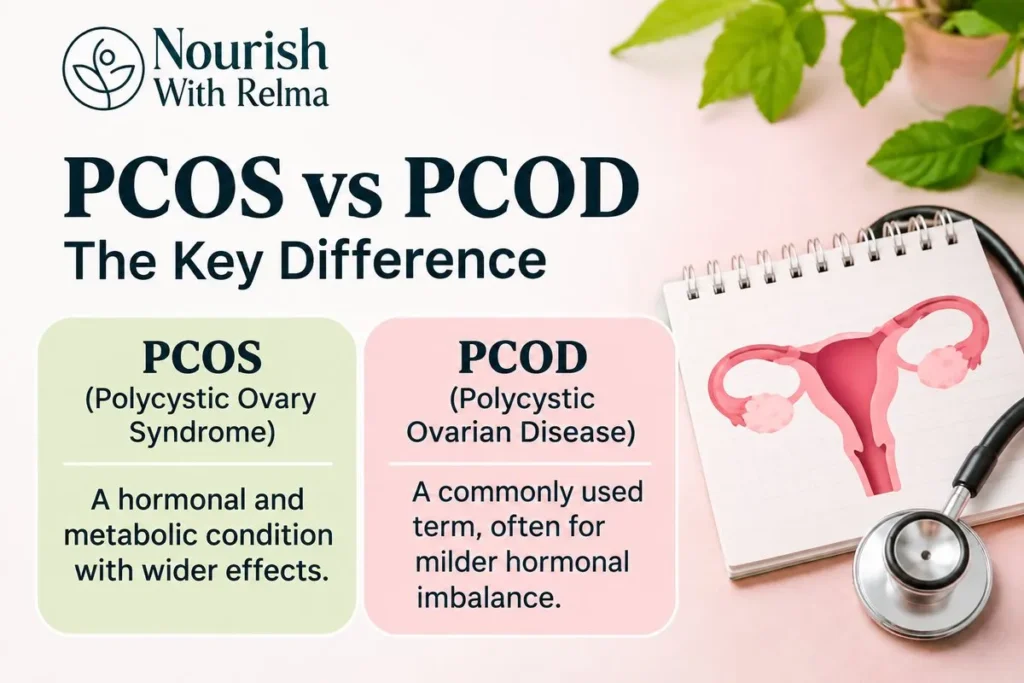
PCOS stands for Polycystic Ovary Syndrome, while PCOD is short for Polycystic Ovarian Disease. PCOS is the established clinical term. PCOD is commonly used in India, but it does not have a separate, universally accepted diagnostic definition.
There has also been a recent change in medical terminology. In May 2026, an international consensus introduced the name Polyendocrine Metabolic Ovarian Syndrome (PMOS) for the condition previously known as PCOS.
Understanding these terms can help you make sense of your diagnosis and discuss the right treatment with your healthcare professional.
If you are looking for a suitable PCOS diet in Mysore, this guide covers the differences between PCOS and PCOD, common symptoms, diagnosis and practical Indian food choices.
What Is PCOS?
Polycystic Ovary Syndrome (PCOS) is a hormonal and metabolic condition that can affect women during their reproductive years.
In May 2026, an international consensus introduced the new name Polyendocrine Metabolic Ovarian Syndrome (PMOS). The change reflects the condition’s wider effects on endocrine, metabolic and reproductive health.
The older name remains widely recognised, particularly in patient discussions, medical records and online searches. Both PCOS and PMOS may therefore appear during the transition period.
PCOS does not simply mean that a woman has cysts in her ovaries.
The condition can involve:
- Irregular or absent menstrual periods.
- Changes in ovulation.
- Higher androgen levels, which may contribute to acne and excess facial or body hair.
- Insulin resistance in some individuals.
- Metabolic changes that can increase the risk of type 2 diabetes.
- Difficulty conceiving due to irregular ovulation.
Not every woman experiences the same symptoms. Some notice changes in their menstrual cycles, while others seek medical advice because of acne, unwanted hair growth or difficulty managing their weight.
PCOS is a long-term condition. Medical care and appropriate lifestyle changes can help manage its symptoms and associated health concerns.
What Is PCOD?
PCOD stands for Polycystic Ovarian Disease. It is a commonly used expression in India when discussing symptoms and ovarian findings related to PCOS.
Women who use this term may experience:
- Irregular menstrual cycles.
- Acne and oily skin.
- Changes in body weight.
- Excess facial or body hair.
- Irregular ovulation.
- Polycystic ovarian appearance on ultrasound.
However, PCOD is not recognised as a separate standardised diagnosis with its own independently established diagnostic criteria in major international clinical guidelines.
A doctor needs to assess the symptoms, medical history and relevant investigations to understand what is happening. The label PCOD alone does not establish whether a woman has a different or milder condition.
PCOS vs PCOD: What Is the Difference?
The main difference is in how the terms are used.
PCOS is the recognised clinical diagnosis, while PCOD is a commonly used regional term. They should not be treated as two separate diseases with established differences in severity or treatment.
Comparison | PCOS / PMOS | PCOD |
Full form | Polycystic Ovary Syndrome / Polyendocrine Metabolic Ovarian Syndrome | Polycystic Ovarian Disease |
Medical recognition | Established clinical diagnosis | Commonly used term, not a separate standardised diagnosis |
Hormonal features | May involve androgen and other hormonal changes | Often used to describe similar symptoms |
Menstrual changes | Irregular or absent periods may occur | Irregular periods may be reported |
Ovarian appearance | Polycystic ovarian morphology may be present | Often used to describe similar ultrasound findings |
Metabolic health | Insulin resistance and metabolic risks are relevant | Similar concerns may be present |
Management | Individualised medical care and lifestyle support | Depends on the underlying clinical diagnosis |
Are PCOS and PCOD Completely Different Diseases?
No. There is no established medical basis for treating PCOS and PCOD as two distinct conditions with separate severity levels.
A woman may use the term PCOD after receiving an ultrasound report, while another may be diagnosed with PCOS after a hormonal and clinical assessment.
What matters is the actual combination of symptoms and clinical findings.
What Are the Common Symptoms of PCOS and PCOD?
Symptoms can differ from one woman to another. Some experience several changes, while others have only one or two noticeable symptoms.
- Irregular Menstrual Periods
Irregular ovulation can lead to changes in menstrual cycles.
You may notice:
- Infrequent periods.
- Unpredictable menstrual cycles.
- Missed periods.
- Difficulty identifying ovulation.
If you regularly miss periods or experience prolonged gaps between cycles, consult a gynaecologist. Do not assume that irregular menstruation is simply caused by weight or diet.
- Acne and Oily Skin
Higher androgen levels can increase oil production in the skin.
Some women experience persistent acne around the chin, jawline and lower face. Others notice that existing acne becomes more difficult to manage.
Acne alone does not confirm PCOS. A doctor will consider other symptoms and clinical findings before making a diagnosis.
- Excess Facial or Body Hair
Higher androgen levels can contribute to unwanted hair growth on the chin, upper lip, chest or abdomen.
This is called hirsutism.
The amount of hair growth varies between individuals. A healthcare professional can assess whether it may be related to hormonal changes.
- Changes in Body Weight
Some women with PCOS experience weight gain or find weight management difficult.
However, PCOS can also occur in women who are not overweight.
Body weight alone cannot establish whether someone has PCOS. A proper assessment should consider menstrual health, hormonal features and metabolic health.
- Difficulty With Ovulation and Fertility
PCOS can affect the regular release of eggs from the ovaries.
When ovulation is irregular, it may become more difficult to predict fertile days and conceive.
However, having PCOS does not automatically mean infertility. Many women with the condition conceive naturally or with appropriate medical support.
- Metabolic Changes
Insulin resistance is an important feature associated with PCOS.
When the body’s cells do not respond effectively to insulin, the pancreas may produce more insulin to maintain blood glucose levels.
This can affect metabolic health and may contribute to other hormonal changes.
Women with PCOS may also need regular monitoring for blood glucose and other metabolic risk factors.
How Is PCOS Diagnosed?
PCOS cannot be diagnosed through symptoms or an ultrasound report alone.
For adults, international clinical guidelines generally require at least two of the following three features, after excluding other possible causes:
- Hyperandrogenism: Clinical signs such as excess facial hair or elevated androgen levels in blood tests.
- Ovulatory dysfunction: Irregular or absent menstrual cycles.
- Polycystic ovarian morphology: Findings on ultrasound, or an appropriately used anti-Müllerian hormone (AMH) assessment as an alternative in adults.
A healthcare professional may also recommend tests to rule out other conditions that can cause similar symptoms.
These may include:
- Thyroid function testing.
- Prolactin testing.
- Other hormonal investigations where appropriate.
- Blood glucose and metabolic assessments.
Can an Ultrasound Alone Confirm PCOS?
No. An ultrasound showing polycystic ovarian morphology does not automatically mean that someone has PCOS.
The diagnosis depends on the overall clinical picture.
Adolescents also require different diagnostic criteria. Ultrasound and AMH testing should not be used to diagnose PCOS in adolescents because normal developmental changes can make the results difficult to interpret.
An experienced gynaecologist or endocrinologist should assess the individual before confirming a diagnosis.
How Does Nutrition Help Manage PCOS and PCOD?
Food choices can influence metabolic health, blood glucose regulation and overall nutritional intake.
For women with PCOS, an appropriate eating pattern may help support metabolic health and sustainable weight management where needed.
However, no particular food or diet can cure PCOS.
The 2023 international evidence-based guideline also found no single dietary composition to be superior for all women with PCOS.
Your food plan should take into account your nutritional requirements, preferences, medical history and daily routine.
- Include Fibre-Rich Foods
Fibre supports digestive health and forms an important part of a balanced eating pattern.
Good sources include:
- Oats.
- Ragi.
- Whole wheat.
- Beans and chickpeas.
- Green leafy vegetables.
- Guava.
- Apples.
- Seasonal fruits.
For example, instead of having rice alone for lunch, combine a suitable portion with dal, vegetables and curd.
- Include Protein in Everyday Meals
Protein supports muscle maintenance, tissue repair and other essential body functions.
It can also help make meals more satisfying.
Indian protein sources include:
- Moong dal.
- Toor dal.
- Chickpeas.
- Rajma.
- Sprouts.
- Paneer.
- Curd.
- Eggs.
- Fish.
- Chicken.
- Soybeans and tofu.
For breakfast, you could choose vegetable dosa with sambar or besan chilla with curd.
Try to include suitable protein sources across your main meals rather than depending on one meal to meet your entire daily requirement.
- Choose Healthy Sources of Fat
Fat is an essential part of a balanced diet. It provides energy and supports the absorption of certain vitamins.
Useful food choices include:
- Almonds.
- Walnuts.
- Groundnuts.
- Sesame seeds.
- Flaxseeds.
- Chia seeds.
- Fish.
- Suitable vegetable oils.
There is no need to eliminate fats completely. Pay attention to portions and choose a variety of sources.
- Choose Suitable Carbohydrate Sources
Women with PCOS do not need to stop eating carbohydrates.
Rice, chapati and millets can all be part of a balanced meal. The amount and combination of foods matter.
Suitable carbohydrate sources include:
- Ragi.
- Oats.
- Whole wheat.
- Brown rice.
- Millets.
- Fruits.
- Legumes.
- Vegetables.
Combining carbohydrates with protein and fibre can help create a more balanced meal.
For example, you can eat rice with sambar, vegetable palya and curd instead of having rice by itself.
- Maintain Consistent Eating Habits
Skipping meals or following crash diets may make it difficult to meet your daily nutritional requirements.
Try to establish eating habits that fit your routine.
A few useful practices include:
- Eat regular meals that suit your schedule.
- Include different food groups.
- Reduce excessive consumption of sugary beverages.
- Plan meals in advance when possible.
- Avoid unnecessary restrictions.
You do not need expensive speciality foods to follow a balanced PCOS diet.
Which Indian Foods Can Be Included in a PCOS Diet?
You can build a suitable PCOS diet using familiar Indian ingredients. There is no requirement to completely change your traditional eating habits.
Food category | Examples | Nutritional contribution |
Whole grains | Ragi, oats, whole wheat | Carbohydrates and fibre |
Pulses | Moong dal, toor dal, chickpeas | Protein and fibre |
Vegetables | Spinach, beans, carrots, gourds | Fibre and micronutrients |
Fruits | Guava, apple, orange, papaya | Fibre, vitamins and minerals |
Protein foods | Eggs, paneer, curd, fish, tofu | Protein and other nutrients |
Nuts and seeds | Almonds, walnuts, flaxseeds | Healthy fats and selected minerals |
South Indian Meal Ideas for Women With PCOS
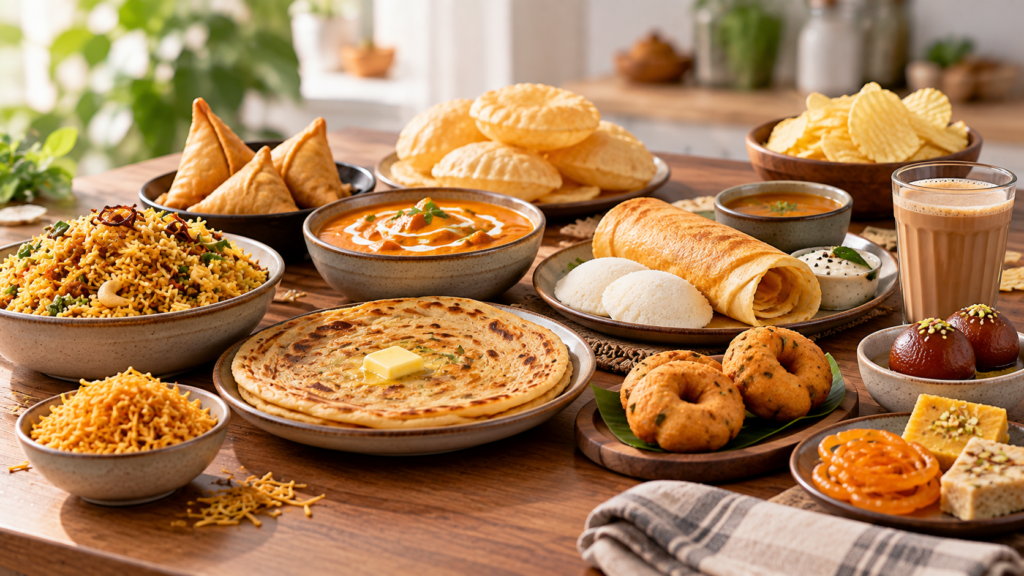
You can make simple adjustments to everyday meals without giving up familiar dishes.
Breakfast
- Idli with sambar.
- Vegetable dosa with sambar.
- Vegetable upma with curd.
- Ragi dosa with chutney and sambar.
Lunch
- Rice with sambar and vegetable palya.
- Chapati with dal and vegetable curry.
- Rice with rasam, curd and a protein-rich side dish.
Evening snacks
- Roasted chana.
- Seasonal fruit.
- Unsweetened curd.
- A suitable portion of nuts.
Dinner
- Chapati with vegetable curry and dal.
- Vegetable khichdi with curd.
- Millet dosa with sambar.
The right portions depend on your activity level, nutritional requirements, health status and personal preferences.
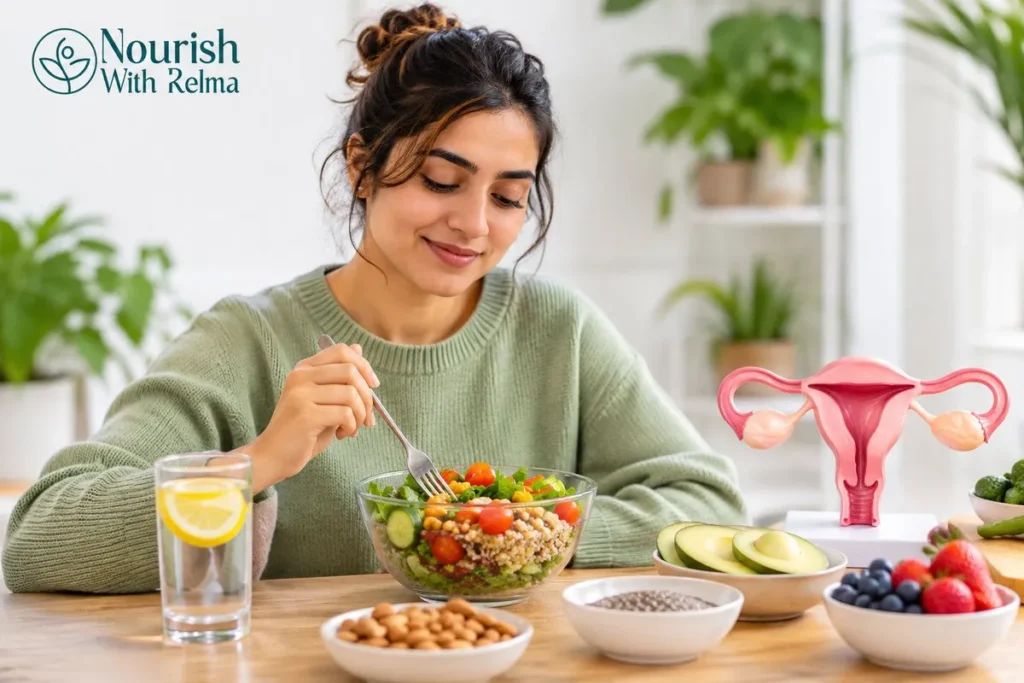
Foods to Limit or Be Mindful of With PCOS
There is no universal list of foods that every woman with PCOS must completely avoid.
Instead, pay attention to how often you consume certain foods and how they fit into your overall diet.
- Sugar-Sweetened Beverages
Soft drinks, sweetened juices and sugary beverages can add considerable amounts of added sugar without providing much nutritional value.
Choose water or suitable unsweetened drinks more often.
- Highly Processed Snacks
Packaged snacks, sweets and deep-fried foods can contribute excess calories when consumed frequently.
You do not need to label every snack as forbidden. Consider portion sizes and how often you eat them.
- Excessive Refined Carbohydrates
Foods made with refined flour may contain less fibre than whole-grain alternatives.
You can include whole wheat, oats, ragi and other suitable grains more often while keeping your overall meals balanced.
- Crash Diets and Extreme Restrictions
Very low-calorie diets and unnecessary elimination of food groups may lead to nutritional inadequacies.
A diet that is difficult to maintain is unlikely to be a useful long-term solution.
Focus on eating enough and choosing foods that meet your nutritional needs.
Does Weight Management Help Women With PCOS?
Weight management may form part of PCOS care for women who would benefit from it.
For some individuals with higher body weight, appropriate weight management can improve certain metabolic and reproductive features.
However, PCOS is not exclusively a weight-related condition. Women who are within a healthy weight range can also experience the condition.
The focus should be on health outcomes, not appearance or reaching a particular number on the weighing scale.
Your healthcare professional or dietitian can help determine whether weight management is relevant to your individual situation.
Lifestyle Habits That Support PCOS Management
Food is one part of PCOS care. Your daily routine also deserves attention.
Physical activity
Walking, cycling, strength training, yoga or another activity you enjoy can support general and metabolic health. Choose an exercise routine that you can maintain.
Sleep
Try to maintain a regular sleep schedule. If you experience persistent snoring, daytime sleepiness or poor sleep quality, discuss it with your doctor.
Stress management
Relaxation activities, appropriate mental health support and time for activities you enjoy may help with stress management.
Medical follow-ups
Keep up with recommended appointments. Discuss menstrual irregularities, metabolic health and changes in symptoms with your healthcare professional.
Small changes that fit your routine are often easier to maintain than short-term restrictive plans.
When Should You Consult a Dietitian for PCOS?
If you have been diagnosed with PCOS, you may have questions about carbohydrates, portion sizes, meal timing and which foods to include.
A qualified dietitian can review your current eating habits and help you develop a practical nutrition plan.
Consider professional nutrition guidance if:
- You want to improve your everyday eating habits after a PCOS diagnosis.
- You are unsure how to balance carbohydrates and protein.
- You want to include more fibre-rich Indian foods.
- You need help with sustainable weight management.
- You follow a vegetarian or vegan diet.
- You find it difficult to plan meals around your work schedule.
- You have PCOS alongside diabetes, thyroid disorders or other health concerns.
A dietitian provides nutritional support. Diagnosis, medical treatment and hormonal investigations should be handled by the appropriate healthcare professional.
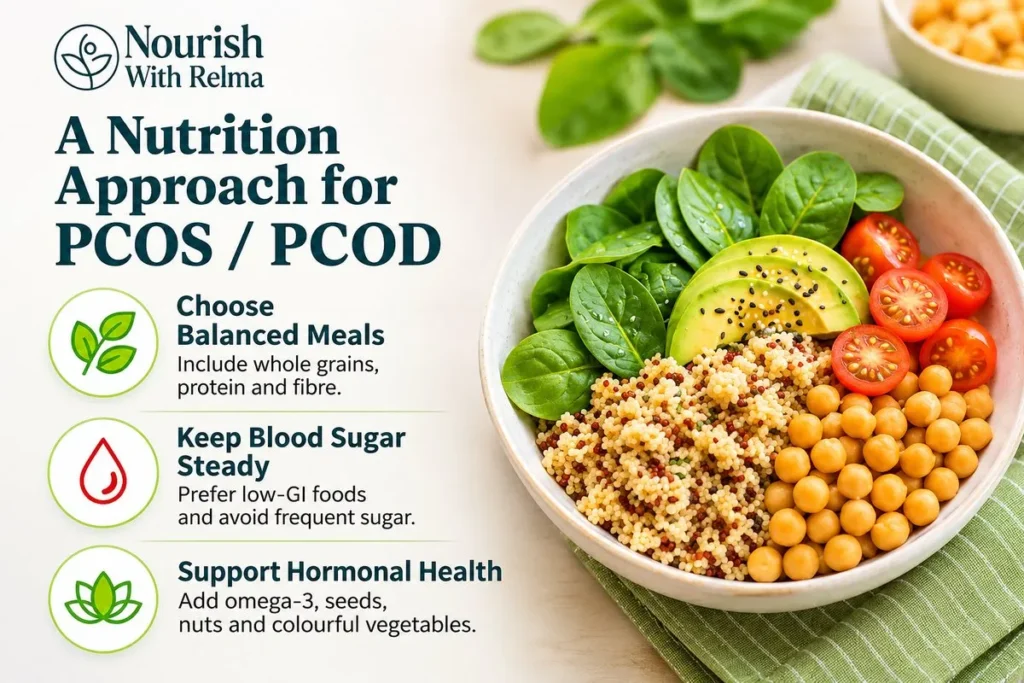
PCOS Diet Guidance at Nourish With Relma
Managing PCOS can involve several changes to your everyday routine, and deciding what to eat is often one of the first questions women ask.
At Nourish With Relma, nutrition guidance focuses on personalised meal planning, balanced food choices and sustainable eating habits.
PCOS and PCOD are among the nutrition-related areas listed by Nourish With Relma, alongside weight management, hormonal health and diabetes-related dietary concerns.
Personalised nutrition guidance can help you review your current food habits and understand how to include suitable sources of protein, fibre, healthy fats and other nutrients.
If you are looking for a PCOS vs PCOD: Diet Tips in Mysore, Nourish With Relma offers an option to explore nutrition guidance based on your food preferences, lifestyle and health goals.
The aim is to develop practical eating habits that you can follow in everyday life, rather than relying on generic meal charts or unnecessary food restrictions.
Explore Nourish With Relma to learn more about its nutrition services and consultation options.
Conclusion
PCOS and PCOD are terms commonly used when discussing women’s hormonal health in India. However, PCOS is the established clinical diagnosis, while PCOD is not a separately standardised condition with its own diagnostic criteria.
The condition previously known as PCOS was renamed Polyendocrine Metabolic Ovarian Syndrome (PMOS) in May 2026. Both names may continue to appear during the transition period.
Nutrition can support metabolic health and general well-being, but there is no single diet that works for every woman. Regular physical activity, adequate sleep and appropriate medical care also form part of long-term management.
If you are looking for a suitable PCOS diet in Mysore, personalised nutrition guidance can help you make food choices that fit your individual requirements.
Start by understanding your nutritional needs and discussing your symptoms with the right healthcare professional.
Frequently Asked Questions
1. Are PCOS and PCOD the same?
PCOS and PCOD are commonly used to describe similar hormonal and ovarian health concerns. However, PCOS is the established medical diagnosis, while PCOD is a commonly used term in India rather than a separate standardised diagnosis.
2. Which is more serious, PCOS or PCOD?
There is no medically established severity comparison between PCOS and PCOD as two separate diseases. The health concerns depend on an individual’s symptoms, hormonal features, metabolic health and associated medical risks.
3. What are the common symptoms of PCOS and PCOD?
Common symptoms include irregular periods, acne, excess facial or body hair, changes in body weight and difficulty with regular ovulation. Not every woman experiences all these symptoms.
4. Can a healthy diet help manage PCOS?
Yes. A balanced eating pattern can support metabolic health, blood glucose regulation and overall well-being. However, diet alone does not cure PCOS, and individual nutritional requirements differ.
5. Which Indian foods are suitable for a PCOS diet?
Ragi, oats, dal, chickpeas, leafy vegetables, seasonal fruits, curd, eggs, nuts and seeds can all be included in a balanced Indian eating pattern.
6. Should women with PCOS completely avoid rice?
No. Rice does not need to be eliminated. Portion sizes and meal combinations matter. Pairing rice with dal, vegetables and a suitable protein source can help create a balanced meal.
7. Can PCOS affect fertility?
PCOS can affect ovulation and make conception more difficult for some women. However, it does not automatically mean infertility. Many women with PCOS conceive naturally or with appropriate medical support.
8. Can a dietitian help with PCOS nutrition in Mysore?
Yes. A qualified dietitian can review your eating habits and develop practical meal plans based on your nutritional requirements and health goals. Nourish With Relma lists PCOS and PCOD among its nutrition-related areas and offers personalised nutrition guidance.