Finding nutrition advice for diabetes is easy. Finding someone who understands your health history, food habits and daily routine takes more care.
You may have questions about rice, breakfast, portion sizes, eating outside, or what to have when your work schedule changes. You may also have received different food recommendations from different people. This can make it difficult to know which advice to follow.
A diabetes nutrition professional should be able to explain how food choices fit into your overall care plan. They should also understand that your meals need to work in real life. A plan that is difficult to follow at home, at work or while travelling is unlikely to be useful for long.
If you are considering a diabetes dietician in Mysore or an online consultation, here are seven things worth checking before you book.
Why choosing the right diabetes nutrition professional matters
Diabetes nutrition is not simply a matter of removing sugar from your meals. The amount and type of carbohydrate you eat, meal portions, food combinations, activity, medication and individual health needs can all influence blood glucose.
The National Institute of Diabetes and Digestive and Kidney Diseases recommends working with the healthcare team, which may include a registered dietitian or diabetes educator, to develop a meal plan that suits the individual.
A nutrition professional can help you understand food choices and plan meals around your preferences. Your doctor remains responsible for medical diagnosis and treatment, including decisions about medication.
The right professional should make it easier to understand your food choices and discuss concerns with your wider healthcare team.
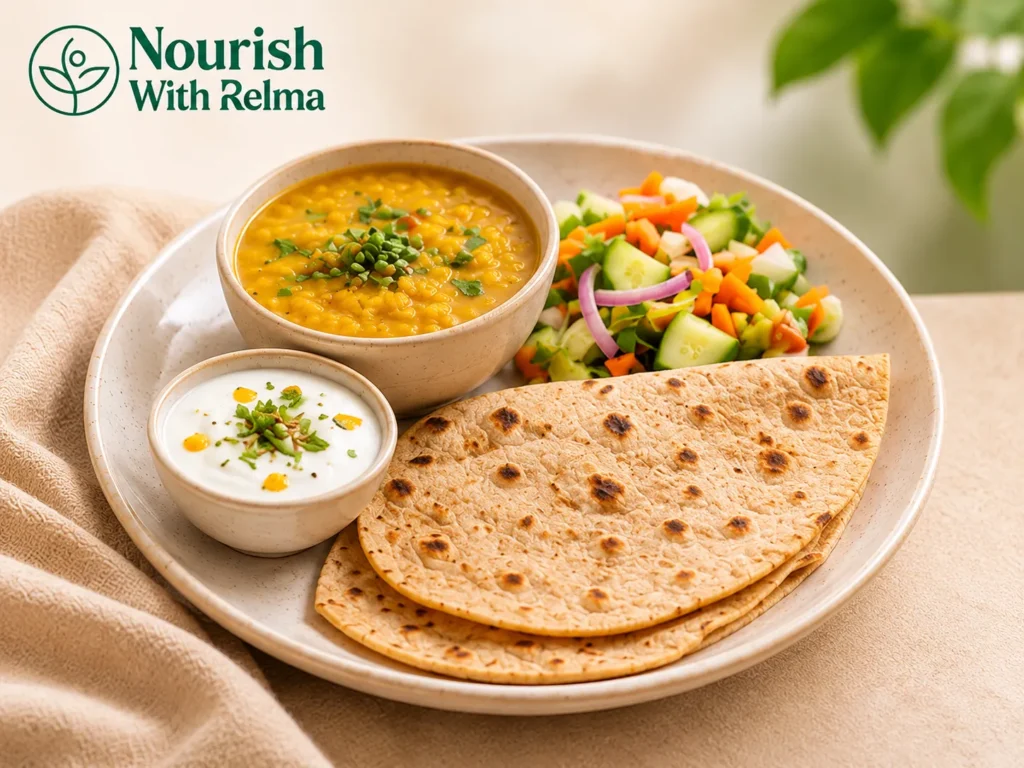
7 things to consider before booking a diabetes nutrition consultation
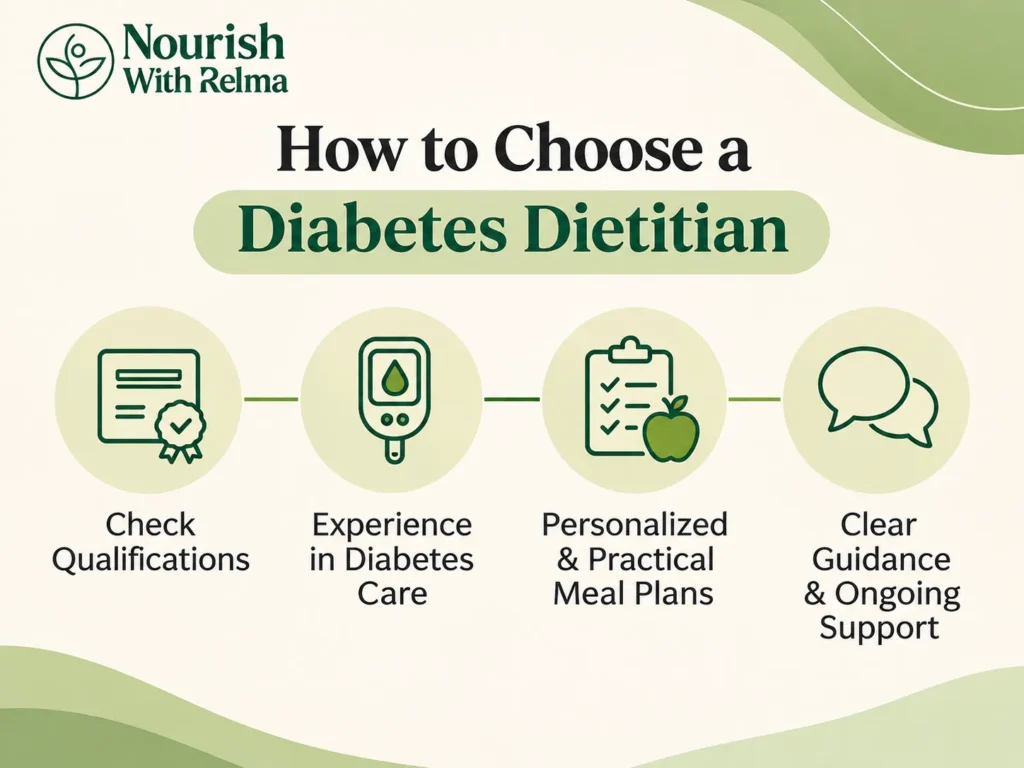
- Check the professional’s education and qualifications
Start by asking about the person’s formal education in nutrition and dietetics.
A professional providing nutrition advice for a medical condition should have relevant academic training. If someone uses the title Registered Dietitian (RD), ask whether they hold the relevant registration and whether you can verify it.
In India, the Indian Dietetic Association describes its Registered Dietitian pathway as involving relevant education, supervised clinical training and an RD examination. Its website provides information about RD eligibility and registration.
You can ask:
- What is your highest qualification in nutrition or dietetics?
- Have you completed clinical nutrition training?
- Are you a Registered Dietitian?
- Can I verify your registration, if applicable?
- Do you have experience providing nutrition support for people with diabetes?
Do not rely only on a social media profile or a certificate displayed in an advertisement. Ask for clear information about the qualification and the training behind it.
- Ask about experience with diabetes nutrition
General weight-management advice and diabetes nutrition care are not identical.
A person living with diabetes may have questions about carbohydrate portions, meal timing, glucose readings, medication schedules and other health conditions. Someone with diabetes and kidney disease, for example, may need different nutrition advice from someone without kidney complications.
Ask the professional about their experience with the type of support you need.
Useful questions include:
- Do you work with people who have Type 1 or Type 2 diabetes?
- Do you provide nutrition guidance for prediabetes?
- Are you familiar with meal planning for people who also have thyroid, cholesterol or kidney-related concerns?
- How do you adapt recommendations when a person has more than one health condition?
The professional should be comfortable explaining the limits of their role. Nutrition counselling does not replace medical treatment or specialist care.
- Look for meal plans that fit your everyday food habits
A meal plan should account for the food you actually eat.
For someone living in Mysore, that may mean discussing rice, ragi mudde, idli, dosa, sambar, chapati, vegetables, pulses and meals prepared at home. A person who works long shifts may need a different routine from someone who eats most meals with their family.
Ask whether the professional considers:
- Your usual breakfast, lunch and dinner
- Food preferences and cultural habits
- Vegetarian or non-vegetarian choices
- Work timings and meal breaks
- Food budget and cooking arrangements
- Travel, celebrations and eating outside
- Any food allergies or restrictions
You should be able to discuss foods you enjoy without feeling judged. A useful nutrition plan should explain portions, meal combinations and practical alternatives.
Be cautious of a plan that removes several food groups without explaining why. There is no single meal chart that suits every person with diabetes.
- Check whether recommendations are based on your health information
Before suggesting changes, a nutrition professional should understand your circumstances.
Depending on your situation, the assessment may include questions about:
- Your diabetes history and type, if diagnosed
- Recent blood glucose records
- HbA1c reports, if available
- Current medication and meal timings
- Other diagnosed health conditions
- Daily activity and work routine
- Food preferences and usual eating pattern
- Previous nutrition advice and difficulties following it
You may be asked to share relevant reports. Ask how your information will be used and whether you should bring anything else to the appointment.
A meal plan should not be created from your weight or age alone. Your health history and medical care matter too.
- Understand what happens after the first consultation
A consultation is more useful when you know what support is included afterwards.
Ask what you will receive after the assessment. Will you receive a written meal plan? Is there an opportunity to ask questions? Can the plan be reviewed if your schedule or health needs change?
Before booking, clarify:
- Whether the consultation includes a personalized plan
- How the plan will be shared
- Whether follow-up appointments are available
- How progress and practical difficulties are discussed
- Whether additional consultations have separate charges
Do not assume that follow-up support is included in the first appointment. Ask about the arrangement and cost before confirming.
- Make sure the professional respects your medical treatment
Nutrition guidance is one part of diabetes care. It does not replace your doctor, prescribed medicines or recommended monitoring.
A responsible nutrition professional should ask about your medical treatment and encourage you to discuss medication-related questions with your prescribing doctor.
Be cautious if anyone tells you to stop prescribed diabetes medication, reduce a dose without medical advice, or rely on a diet plan as a guaranteed cure.
You can ask:
- How do you coordinate nutrition advice with my doctor’s treatment plan?
- What should I do if my glucose readings change after a meal-plan adjustment?
- Who should I contact about medication-related concerns?
- When would you recommend that I speak to my doctor?
If you use insulin or medicines that can cause low blood glucose, significant changes to meal timing or carbohydrate intake should be discussed with your healthcare team.
- Understand the consultation format, fees and accessibility
A professional may offer appointments in person, online or through a combination of both. Choose a format that allows you to discuss your health information comfortably.
Before confirming an appointment, check:
- Where the consultation takes place
- Whether online appointments are available
- How long the appointment lasts
- What the consultation fee covers
- Whether follow-up appointments cost extra
- How to reschedule or cancel
- How you can contact the professional after the consultation
If you are looking for a diabetes dietician in Mysore, consider travel time and whether the location is convenient for future visits.
For an online appointment, check that you have a private space, a stable internet connection and access to the reports you want to discuss.
Dietitian vs nutritionist: what should you know?
The terms dietitian and nutritionist are sometimes used interchangeably. Their meaning and professional requirements can vary by country and context.
When seeking nutrition support for a medical condition such as diabetes, look beyond the job title. Ask about formal education, clinical nutrition training, registration where applicable, and experience with the type of support you need.
The Indian Dietetic Association provides information about its Registered Dietitian pathway. You can use its official resources to understand the qualification and registration criteria.
A useful starting point is to ask the professional to explain their training in plain language and how it relates to diabetes nutrition.
What should you ask during your first consultation?
You do not need to prepare a long list of technical questions. A few practical questions can help you understand whether the consultation is suitable.
Question | Why it matters |
How will you assess my current eating habits? | Helps you understand the assessment process |
Will the plan consider my usual Indian meals? | Checks whether recommendations can fit your routine |
Can I discuss my glucose records and reports? | Helps connect nutrition advice with your health information |
How will my medication schedule be considered? | Encourages coordination with medical care |
What support is available after the appointment? | Clarifies follow-up arrangements |
What is included in the consultation fee? | Helps you understand the cost before booking |
You should feel comfortable asking questions. A professional should explain recommendations clearly and give you time to understand them.
What should you prepare before a diabetes nutrition appointment?
A little preparation can make the discussion more useful.
If available, keep these items ready:
- Recent blood glucose records or CGM reports
- Your latest HbA1c report
- A list of prescribed medicines and their timings
- Details of other diagnosed health conditions
- A short record of your usual meals
- Your typical work, sleep and activity schedule
- Questions or concerns you want to discuss
Do not stop medication or change your usual treatment to prepare for a nutrition appointment. Continue following your doctor’s instructions.
If you do not have every report, you can still ask the clinic what information is needed before your appointment.
Can a diabetes dietitian help with everyday Indian meals?
Yes. Nutrition counselling can include everyday foods and familiar meal patterns. The recommendations should depend on the individual’s health needs, food preferences and medical advice.
For example, you may want to discuss:
Rice: Ask about suitable portions and how rice fits into the rest of your meal. You do not necessarily need to remove it completely.
Ragi: Ragi is a source of carbohydrate. Its effect on your meal depends on portion size and what you eat with it.
Idli and dosa: Discuss portions, accompaniments and the overall balance of the meal.
Chapati: The number of chapatis and the foods served alongside them matter when planning a meal.
Fruit: Ask about suitable portions and how to include fruit in your daily eating pattern.
Snacks: Discuss options that fit your schedule, appetite and medical needs.
The goal of a consultation should be to help you make informed food choices. A generic list of foods to avoid may not answer the questions you face at home.
When should you involve your doctor?
A dietitian or nutrition professional can support your food choices, but some concerns need medical attention.
Speak with your doctor if you have repeated high or low glucose readings, unexplained changes in weight, difficulty managing medication schedules, or new health concerns.
Seek urgent medical care if you experience severe symptoms such as confusion, fainting, difficulty breathing, repeated vomiting or severe drowsiness. Do not wait for a routine nutrition appointment when urgent symptoms occur.
If you have kidney disease, are pregnant, use insulin, or have frequent episodes of low blood glucose, make sure your nutrition recommendations are coordinated with your treating healthcare professional.
How to Choose a Diabetes Dietician in Mysore
Choosing the right diabetes dietician is an important step towards developing healthier eating habits and managing your nutritional needs. With different dietary approaches available, it is essential to find a nutrition professional who understands your health requirements, lifestyle, food preferences, and daily routine. When looking for a diabetes dietician in Mysore, consider the following factors:
1. Look for Personalised Diabetes Nutrition Plans
Every individual’s nutritional needs are different. Choose a dietician who creates personalised meal plans based on your food habits, health goals, lifestyle, and dietary requirements rather than recommending the same diet to everyone.
2. Choose Someone Who Understands Local Food Habits
A good diabetes diet plan should fit your everyday lifestyle. Look for nutrition guidance that considers familiar Mysore food choices, including rice, ragi, dosa, idli, vegetables, pulses, and traditional meals.
3. Check Their Nutrition Qualifications and Experience
Look for a qualified nutrition professional with relevant education and experience in diabetes nutrition. Their understanding of carbohydrate intake, portion control, meal timing, and balanced nutrition can help you make informed food choices.
4. Focus on Sustainable Eating Habits
Avoid nutrition plans based on extreme food restrictions or unrealistic routines. Choose a dietician who helps you develop practical eating habits that you can maintain over time.
5. Look for Regular Guidance and Progress Monitoring
Nutrition requirements can change over time. Regular consultations can help review your food habits, discuss challenges, and adjust your meal plan according to your progress and changing needs.
6. Ensure Coordination with Your Healthcare Provider
Diabetes management involves more than food choices. Your dietician should understand the importance of coordinating nutritional guidance with your treating doctor, particularly when medication, blood glucose levels, or other health conditions need consideration.
Why Choose Nourish with Relma for Diabetes Nutrition in Mysore?
At Nourish with Relma, we believe diabetes nutrition should be practical, personalised, and suited to your everyday life. We focus on helping individuals understand their food choices, manage portion sizes, balance carbohydrates, and develop healthier meal-planning habits. Rather than following restrictive diets, our approach encourages mindful eating and sustainable nutritional changes that consider your preferences and lifestyle. Whether you are looking for guidance with Type 2 diabetes, prediabetes, or everyday diabetes-friendly meal planning, Nourish with Relma aims to make healthy eating easier to understand and follow.
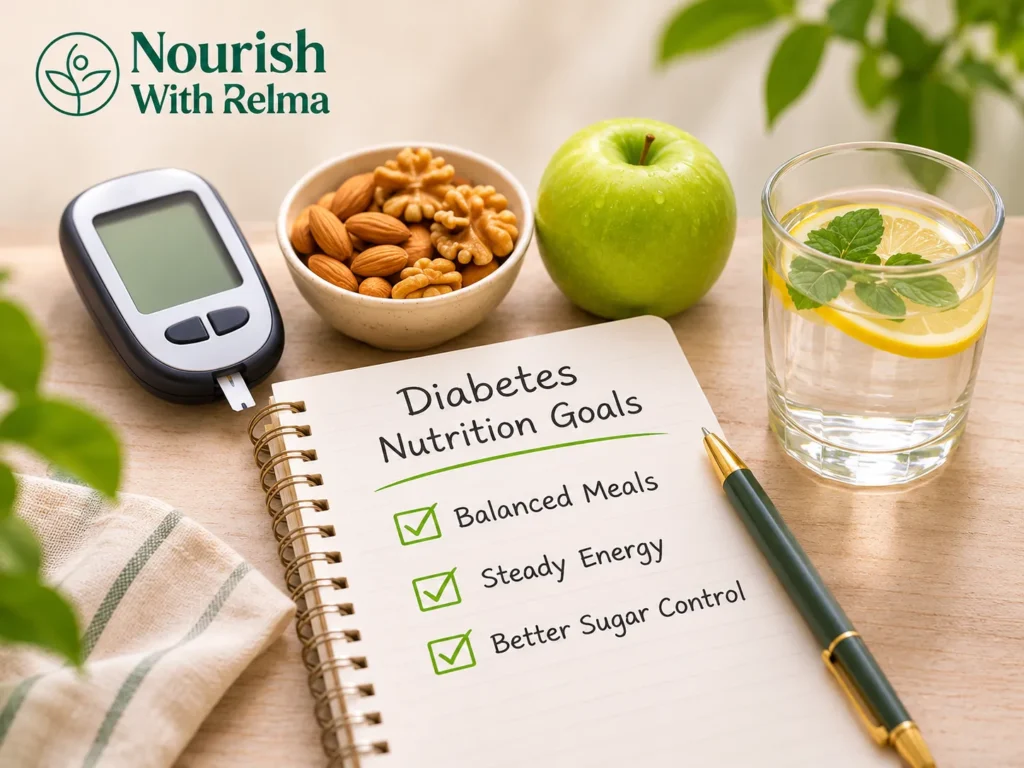
What Should You Expect from a Diabetes Nutrition Consultation?
A diabetes nutrition consultation can help you better understand how your everyday food choices fit into your nutritional needs. Depending on your individual requirements, the consultation may include:
Dietary Assessment: Understanding your existing eating patterns, food preferences, and daily routine.
Meal Planning: Developing a personalised meal plan based on your nutritional requirements.
Portion Control: Learning appropriate portion sizes and balanced meal combinations.
Carbohydrate Awareness: Understanding carbohydrate-containing foods and how to distribute them across meals.
Healthy Food Swaps: Exploring practical alternatives without unnecessarily eliminating familiar foods.
Follow-up Guidance: Reviewing your progress and making dietary adjustments when needed.
Personalised Diabetes Nutrition Guidance That Fits Your Lifestyle
Managing diabetes becomes easier when your nutrition plan is designed around your everyday food habits and individual health requirements. At Nourish with Relma, we focus on helping individuals in Mysore make practical dietary changes without unnecessary food restrictions. From choosing balanced breakfast options and planning lunch and dinner to understanding portion sizes and making healthier snack choices, our approach encourages mindful eating and consistency. We consider traditional South Indian food preferences, daily routines, and personal nutritional goals to make healthy eating more approachable. Whether you are looking for guidance on blood sugar-friendly meal planning or long-term dietary support, Nourish with Relma helps you build sustainable habits with personalised nutrition guidance.
Exploring diabetes nutrition support in Mysore
If you are searching for a diabetes dietician in Mysore, take time to compare qualifications, experience, consultation format and the type of support offered.
Nourish With Relma describes its work as personalized nutrition guidance and lists diabetes among the health areas mentioned on its website. Its published consultation process includes booking an appointment, completing an assessment form, discussing concerns in a one-to-one video call and receiving a personalized diet plan.
Before booking, you can contact Nourish With Relma to confirm whether its current consultation service is suitable for your diabetes-related nutrition needs. Ask about the professional’s relevant qualifications, diabetes-specific experience, appointment availability, fees and follow-up arrangements.
Nourish With Relma
Mysore, Karnataka
Phone/WhatsApp: +91 70197 64856
Website: https://nourishwithrelma.com/
Frequently Asked Questions
1. How do I choose a diabetes dietitian?
Check the professional’s education, relevant clinical nutrition training, diabetes-related experience, consultation process and follow-up arrangements. Ask how recommendations will fit your food preferences and medical care.
2. What qualifications should a diabetes nutrition professional have?
Look for formal education in nutrition and dietetics, relevant clinical training and verifiable credentials. If the professional uses the Registered Dietitian (RD) title, ask about their registration and how it can be verified.
3. Is a dietitian different from a nutritionist?
The terms can be used differently depending on the country and context. When seeking support for diabetes, check the person’s actual education, clinical training and experience instead of relying on the title alone.
4. Can a dietitian help with Type 2 diabetes?
A suitably qualified dietitian can provide nutrition guidance and meal-planning support for people with Type 2 diabetes. This support should form part of the person’s wider medical care.
5. Can I eat rice if I have diabetes?
Rice does not automatically need to be excluded. Portion size, meal combinations, individual glucose response and medical needs should be considered when planning meals.
6. What should I bring to my first diabetes nutrition consultation?
Bring recent glucose records, available HbA1c reports, a list of prescribed medicines, details of other health conditions and an idea of your usual meals. Ask the clinic whether it requires anything else.
7. Can I consult a diabetes dietitian online?
Some nutrition professionals offer online consultations. Ask how the assessment is conducted, how reports are shared, how you receive your plan and whether follow-up support is available.
8. How much does a diabetes dietitian consultation cost in Mysore?
Fees vary by professional, consultation format and the services included. Contact the provider directly to confirm the current consultation fee and any additional charges.