You eat homemade food, include vegetables in your meals and try to avoid unhealthy eating habits. Still, some mornings you wake up feeling exhausted. By afternoon, you struggle to concentrate or find yourself reaching for another cup of coffee.
Why does this happen when you are already eating well?
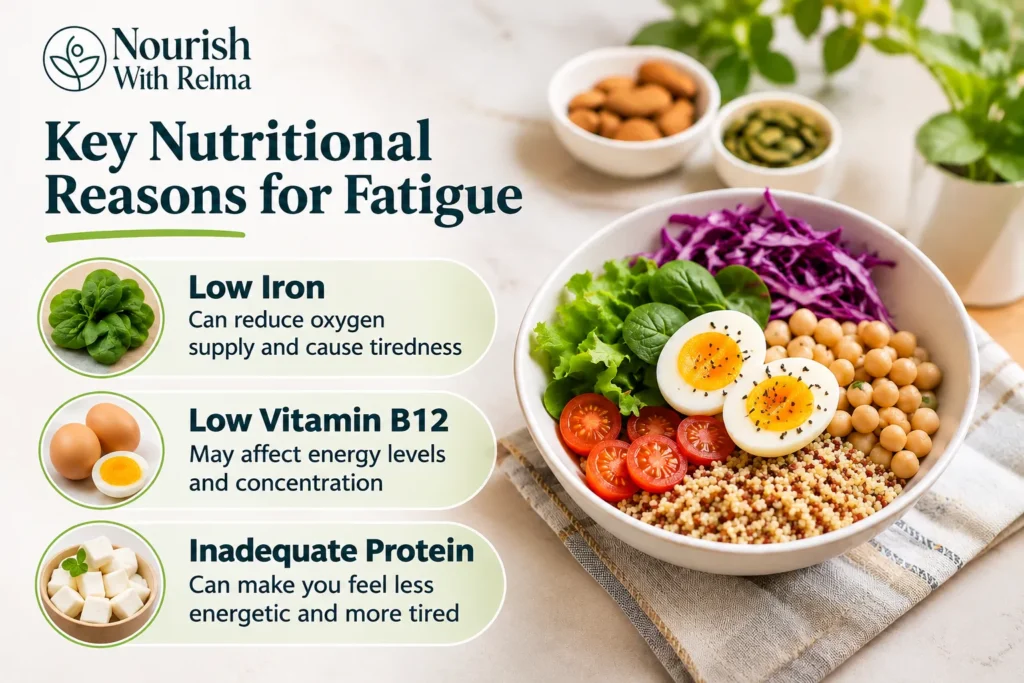
The answer may have something to do with what your meals contain, how much you eat and whether your body is absorbing the nutrients it needs. Iron deficiency, low vitamin B12, inadequate protein intake and insufficient overall food intake can contribute to tiredness. Poor sleep, stress and certain medical conditions can also leave you feeling exhausted.
Eating healthy does not always mean eating enough of the nutrients your body needs.
If you are looking for a suitable Nutrition Tips in Mysore, understanding these possible causes is a useful starting point. Let’s look at the nutritional factors, everyday Indian food choices and situations where medical advice may be necessary.
Why Do You Feel Tired Even After Eating Healthy Food?
Think about your regular meals. You might have rice and sambar for lunch, dosa for breakfast and chapati for dinner. These are familiar foods, but your overall diet may still lack certain nutrients depending on the portions, ingredients and variety.
Your body needs several nutrients to maintain normal functions.
- Carbohydrates: Supply energy for everyday activities and brain function.
- Protein: Supports muscle maintenance and tissue repair.
- Healthy fats: Provide energy and help the body absorb certain vitamins.
- Vitamins and minerals: Support processes such as red blood cell formation and nervous system function.
- Water: Helps maintain circulation, digestion and temperature regulation.
When your meals consistently lack certain nutrients, you may not meet your nutritional requirements.
However, fatigue is not always related to food. Sleep disturbances, thyroid problems, diabetes and other health conditions can also cause persistent tiredness.

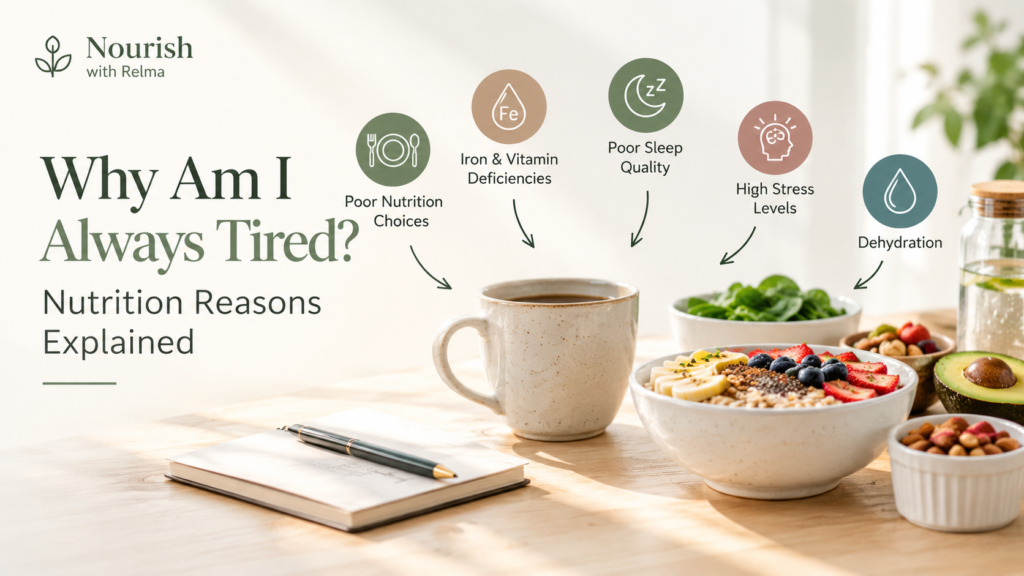
7 Possible Nutritional and Lifestyle Reasons for Low Energy Levels
- Iron Deficiency and Low Haemoglobin
Do you often feel weak, tired or breathless during activities that previously felt easy?
Iron deficiency is one possible explanation.
Iron helps your body produce haemoglobin, a protein in red blood cells that carries oxygen. When iron levels are too low, your body may struggle to produce enough healthy red blood cells. This can lead to iron deficiency anaemia.
Common symptoms include:
- Persistent tiredness and weakness.
- Breathlessness during physical activity.
- Dizziness or headaches.
- Difficulty concentrating.
- Pale skin in some individuals.
Women with heavy menstrual bleeding, pregnant women and people with inadequate iron intake may have a higher risk of deficiency.
Indian foods that contain iron include:
- Ragi
- Lentils and dals
- Chickpeas and rajma
- Spinach and other leafy vegetables
- Sesame seeds
- Pumpkin seeds
- Meat and fish
If you follow a vegetarian diet, combine plant-based iron sources with vitamin C-rich foods. For example, add lemon to your dal or include guava or amla with your meals.
Tea and coffee can reduce the absorption of plant-based iron when consumed with meals. Keeping them separate from iron-rich meals may help.
Remember that tiredness alone cannot confirm iron deficiency. A doctor can recommend blood tests to assess your iron status.
- Vitamin B12 Deficiency
Vitamin B12 helps your body produce red blood cells and maintain normal nerve function.
A low B12 level can develop because of inadequate dietary intake or problems with absorption.
People following strict vegetarian or vegan diets may need particular attention to this vitamin because naturally occurring B12 is mainly found in animal-derived foods.
Food sources of vitamin B12 include:
- Milk
- Curd
- Cheese
- Eggs
- Fish
- Meat
- Vitamin B12-fortified foods
A deficiency may cause fatigue, weakness, numbness or tingling in the hands and feet. Some people also experience memory or concentration difficulties.
If these symptoms sound familiar, speak with a healthcare professional. Do not assume that taking a vitamin supplement will solve the problem without identifying the cause.
- Folate Deficiency
Folate, also known as vitamin B9, helps your body produce DNA and healthy red blood cells.
When your intake is insufficient, you may develop folate deficiency anaemia, which can cause tiredness and weakness.
You can obtain folate from everyday foods such as:
- Spinach and other green leafy vegetables.
- Beans and peas.
- Lentils.
- Citrus fruits.
- Groundnuts.
- Fortified cereals.
Pregnant women have increased folate requirements. Women planning pregnancy should discuss appropriate folic acid supplementation with their healthcare professional.
- Not Getting Enough Protein
What does your breakfast usually contain? If it is mostly tea and bread or a small serving of dosa without a protein-rich accompaniment, you may want to review your overall protein intake.
Protein supports muscle maintenance, tissue repair and several other functions in the body.
A diet that contains very little protein may not meet your individual nutritional requirements.
Some useful Indian protein sources are:
- Dal and sambar.
- Chickpeas and rajma.
- Sprouts.
- Milk and curd.
- Paneer.
- Eggs.
- Fish and chicken.
- Soybeans and tofu.
Try including a protein source in your main meals. For example, pair dosa with sambar, chapati with dal or rice with curd and a suitable protein-rich side dish.
Your protein requirements depend on your age, activity level and health status. A dietitian can help determine an appropriate intake.
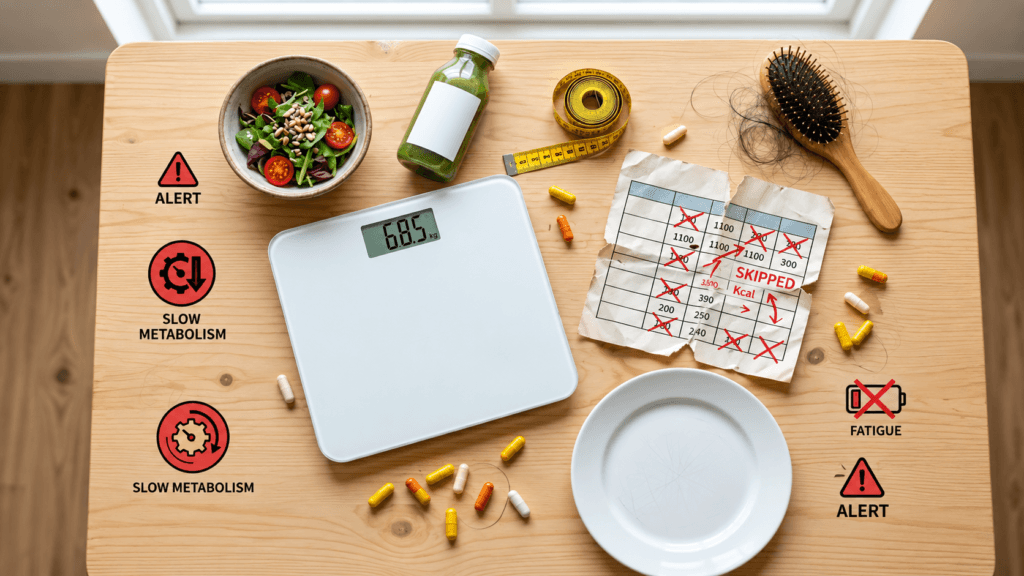
- Eating Too Little or Following Restrictive Diets
Trying to lose weight can sometimes lead people to eat far less than their bodies need.
Skipping meals, avoiding carbohydrates completely or following restrictive diet plans without proper guidance may leave you with insufficient energy and nutrients.
Carbohydrates are an important energy source, particularly for the brain and working muscles.
Instead of eliminating them, choose suitable portions of foods such as:
- Rice.
- Ragi.
- Whole wheat.
- Oats.
- Millets.
- Fruits.
- Vegetables.
- Pulses.
A balanced meal should provide enough food to support your daily activities. Restricting entire food groups without a nutritional reason can make it harder to meet your requirements.
- Not Drinking Enough Water
Your hydration habits also deserve attention.
During hot weather, exercise or periods of increased sweating, your body loses more fluids. If you do not replace them adequately, dehydration can occur.
Possible symptoms include:
- Thirst and dry mouth.
- Headaches.
- Dizziness.
- Dark-coloured urine.
- Tiredness.
A few practical habits can help:
- Drink water regularly throughout the day.
- Carry a water bottle when travelling.
- Increase fluid intake when you sweat more than usual.
- Include water-rich foods such as cucumber, watermelon and oranges.
Your fluid requirements depend on your activity level, climate and health conditions.
- Poor Sleep, Stress and Irregular Eating Habits
Sometimes, your food choices are not the main reason you feel tired.
Consider your daily routine. Are you sleeping late, waking up frequently during the night or skipping breakfast because you are in a hurry?
Poor sleep, prolonged stress and irregular schedules can affect your energy levels.
Try to maintain a consistent sleep schedule, eat regular meals and include physical activity that suits your abilities.
If tiredness continues despite improvements to your routine, consult a doctor to investigate other possible causes.
Which Foods Should You Include in a Diet for Better Energy?
There is no single food that can immediately eliminate fatigue. What matters is whether your regular meals provide a suitable variety of nutrients.
Here are some foods you can include in your everyday Indian diet.
Food group | Examples | Nutritional contribution |
Whole grains | Ragi, oats, brown rice, whole wheat | Carbohydrates and fibre |
Pulses | Moong dal, toor dal, chickpeas | Protein, iron and folate |
Green vegetables | Spinach, amaranth, beans | Folate and other micronutrients |
Fruits | Guava, oranges, papaya, amla | Vitamins and fibre |
Dairy | Milk, curd, paneer | Protein and calcium; B12 in suitable dairy foods |
Nuts and seeds | Almonds, groundnuts, sesame seeds | Healthy fats, protein and minerals |
Animal-based foods | Eggs, fish, chicken | Protein and vitamin B12 |
You do not need to eat every item daily. Choose foods that suit your preferences, budget and nutritional requirements.
Sample Balanced Indian Meal Plan for Everyday Energy
Here is an example of how you could organise your meals using familiar Indian foods.
Meal | Food options |
Early morning | Water and a fruit, if preferred |
Breakfast | Vegetable dosa with sambar or vegetable poha with curd |
Mid-morning | Guava, orange or seasonal fruit |
Lunch | Rice or chapati, dal, leafy vegetable palya, curd and salad |
Evening snack | Roasted chana, groundnuts or fruit |
Dinner | Chapati or rice with vegetable curry and dal, paneer or eggs |
Small Changes to Make Your Meals More Balanced
- Include a suitable protein source in your main meals.
- Eat different vegetables and seasonal fruits.
- Choose a combination of cereals and pulses.
- Include foods containing iron, folate and vitamin B12.
- Drink enough water throughout the day.
- Avoid unnecessarily restrictive eating habits.
This is an illustrative meal pattern, not a prescribed diet for fatigue or a treatment plan for nutritional deficiencies. Portion sizes and food choices should be adjusted to your individual needs.
Can Nutritional Deficiencies Be the Only Reason for Fatigue?
No. Nutritional deficiencies are only one possible explanation for persistent tiredness.
Other conditions that may contribute include:
- Anaemia.
- Thyroid disorders.
- Diabetes.
- Sleep apnoea.
- Chronic infections.
- Mental health conditions.
- Medication side effects.
- Pregnancy.
- Sleep disturbances.
If you have been feeling unusually tired for several weeks or the problem is affecting your everyday activities, consult a doctor.
Depending on your symptoms and medical history, your doctor may recommend tests to check haemoglobin, iron status, blood glucose, thyroid function or specific vitamin levels.
Avoid taking iron tablets, high-dose vitamins or other supplements without an appropriate assessment. Excess supplementation can also cause health problems.
When Should You Consult a Dietitian for Fatigue?
You may benefit from nutritional guidance if your everyday eating habits are not meeting your nutritional needs.
Consider consulting a qualified dietitian if:
- You regularly skip meals.
- Your diet has limited variety.
- You follow a vegetarian or vegan eating pattern and need help planning nutrient intake.
- You are following a restrictive weight-loss diet.
- You find it difficult to include enough protein-rich foods.
- You have a health condition that requires dietary planning.
- You want to improve your regular eating habits.
A dietitian can review your food choices, eating schedule and nutritional intake. They can suggest practical changes based on your health goals and preferences.
If your fatigue has an underlying medical cause, dietary guidance should complement medical care rather than replace it.

How Nourish With Relma Can Support Your Nutrition Goals
Making changes to your eating habits can be difficult when you are unsure what your body needs.
At Nourish With Relma, Relma Gangam offers personalised nutrition guidance and meal planning based on individual health goals and lifestyle needs.
Instead of following restrictive diets or making unnecessary changes to your food habits, you can work towards a more suitable eating pattern.
Nutrition guidance may help you:
- Review your everyday eating habits.
- Identify possible gaps in your food choices.
- Include suitable sources of protein and essential nutrients.
- Plan meals around your daily routine.
- Make food choices that suit your preferences and health goals.
If you are looking for nutrition guidance in Mysore, you can explore the services offered by Nourish With Relma.
For persistent or unexplained fatigue, consult a doctor first. Once potential medical causes have been assessed, personalised dietary guidance can help address nutritional needs.
When Might Your Nutrition Plan Need Adjustment?
You may want to discuss an adjustment if:
- Your work schedule has changed.
- You are travelling more frequently.
- Your food preferences have changed.
- Your physical activity has increased or decreased.
- You are struggling with a particular part of the plan.
- Your original goal has changed.
- Your eating routine has changed significantly.
- You need alternatives for certain meals.
- Your healthcare circumstances have changed.
A nutrition plan is not necessarily something that should remain unchanged regardless of what happens in your life. Follow-up gives you a chance to discuss what has changed and whether the recommendations should be modified.
Final Thoughts
Feeling tired even when you eat healthy food deserves attention. Your meals may contain nutritious ingredients, but your overall diet might still lack certain nutrients or sufficient calories.
Iron, vitamin B12 and folate deficiencies can contribute to tiredness. Inadequate protein intake and restrictive eating habits may also affect your nutritional status. Sleep problems, stress and medical conditions are other possible causes.
Start by reviewing your everyday food choices, meal timings and hydration habits. If the tiredness continues, seek medical advice instead of relying on energy drinks or random supplements.
If you need help reviewing your eating habits, Nourish With Relma offers personalised nutrition guidance in Mysore to support your health and dietary goals.
Frequently Asked Questions
1. Why do I feel tired even after eating healthy food?
You may feel tired despite eating healthy food because your meals do not provide enough iron, vitamin B12, protein or overall energy. Poor sleep, dehydration, stress and medical conditions can also contribute to fatigue.
2. Which nutritional deficiencies can cause tiredness?
Iron, vitamin B12 and folate deficiencies can cause fatigue, particularly when they lead to anaemia. The cause should be confirmed through appropriate medical assessment rather than symptoms alone.
3. What foods should I eat to improve my energy levels?
Include whole grains, pulses, vegetables, fruits, nuts, seeds and suitable protein sources. Ragi, dal, leafy vegetables, curd, eggs and chickpeas are examples of foods that can contribute to a balanced diet.
4. Can iron deficiency make me feel tired all the time?
Yes. Iron deficiency anaemia can cause tiredness, weakness, breathlessness and difficulty concentrating. However, these symptoms can have other causes, so a healthcare professional may recommend blood tests.
5. Can vitamin B12 deficiency cause low energy?
Yes. Vitamin B12 deficiency can cause fatigue and weakness. It may also affect nerve function, causing numbness or tingling in the hands and feet. Consult a healthcare professional if you suspect a deficiency.
6. Which Indian breakfast foods are suitable for maintaining energy?
Vegetable dosa with sambar, idli with sambar, vegetable poha with curd, oats with milk and vegetable upma with a protein-rich accompaniment are suitable options. Choose portions based on your nutritional requirements.
7. When should I consult a doctor for persistent tiredness?
Consult a doctor if tiredness continues for several weeks, affects daily activities or occurs with symptoms such as unexplained weight loss, breathlessness or palpitations. A medical assessment can help identify the underlying cause.
8. Can a dietitian help improve my eating habits and energy levels?
Yes. A qualified dietitian can review your food habits, identify possible nutritional gaps and suggest suitable meal-planning changes. Nourish With Relma offers personalised nutrition guidance for different health and lifestyle goals. Medical evaluation remains important when fatigue has an underlying medical cause.