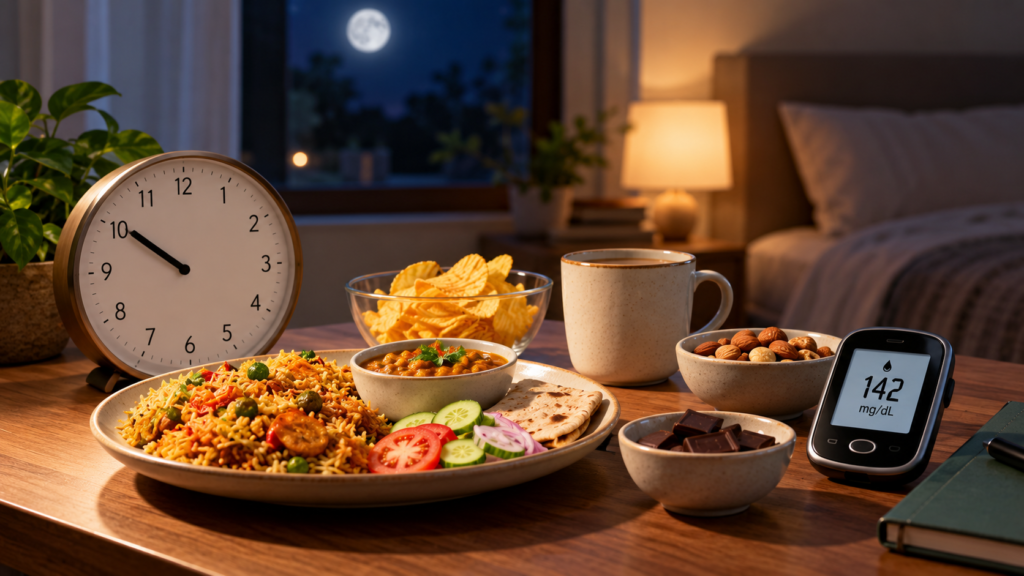
A packed calendar can make eating well difficult. Breakfast gets pushed back because of an early meeting. Lunch happens at the desk. An afternoon call runs over, and by the time work finishes, dinner is much later than planned.
For someone living with diabetes, these changes can make meal planning harder. The challenge is not simply deciding what to eat. It is finding a routine that works with work hours, travel, food availability, activity and prescribed medication.
A practical diabetes meal plan should fit your actual day. It should account for the meals you can prepare at home, the food available near your office and the days when your schedule changes.
If you work in an office, run a business, travel for work or follow rotating shifts, the ideas below can help you plan meals more thoughtfully. Your individual meal timing and food requirements should still be discussed with your healthcare team.
Why work schedules can make diabetes meal planning difficult
Many professionals know what a balanced meal looks like but struggle to follow a routine consistently.
A few common situations can get in the way:
- Leaving home without breakfast because of an early start
- Missing lunch during back-to-back meetings
- Depending on biscuits, bakery snacks or sweetened tea during the afternoon
- Ordering food because there is no time to prepare lunch
- Eating a large dinner after a long workday
- Working late and changing meal times from one day to the next
- Travelling without knowing when or where the next meal will be available
These situations do not affect everyone in the same way. Your response to a delayed meal can depend on your medication, activity level and individual health needs.
For example, skipping or delaying a meal can increase the risk of low blood glucose for some people who use insulin or certain diabetes medicines. This is why a workday meal routine should be planned alongside your prescribed treatment rather than treated as a separate diet challenge.
The aim is to make food choices more predictable without expecting every workday to go perfectly.

How to build a practical workday meal routine
Start with your existing schedule. Do not begin by choosing a complicated diet chart and trying to fit your life around it.
Look at the times you usually wake up, leave home, reach work, take breaks and return home. Then identify the meals and snacks that are most likely to be affected by your work.
- Plan breakfast before the morning rush
If mornings are busy, decide on breakfast the previous evening.
Depending on your food preferences and individual meal plan, options to discuss with your dietitian may include:
- Idli with sambar
- Vegetable dosa with a suitable accompaniment
- Vegetable oats with a source of protein
- Besan chilla with curd
- Eggs with whole-grain toast and vegetables
- Unsweetened curd with suitable additions
These are examples, not a universal diabetes breakfast chart. Portion sizes and the overall meal composition matter. Your own plan may need to be different depending on your glucose response, medication and health needs.
If you regularly leave home early, prepare ingredients or pack breakfast in advance. Even a simple plan is easier to follow when you are not deciding what to eat at the last minute.
- Treat lunch as a meal that needs planning
Office lunch is often where good intentions fall apart. A meeting gets extended, the canteen is crowded, or the food brought from home is not enough.
Choose a lunch arrangement before the workday begins. You could:
- Carry a home-prepared lunch
- Identify a nearby place with suitable meal options
- Keep a backup meal or snack for unexpected delays
- Set a reminder to take your scheduled break
- Avoid relying on tea and biscuits as a replacement for lunch
A lunchbox does not need several elaborate dishes. A familiar meal with an appropriate balance of vegetables, protein and carbohydrate may be easier to manage consistently.
- Think ahead about the afternoon
The afternoon can bring hunger, fatigue and a temptation to buy whatever is available.
Instead of waiting until you are very hungry, plan a snack if one is appropriate for your meal schedule and medical needs.
Possible options to discuss with your nutrition professional include:
- A whole fruit in a suitable portion
- Unsalted nuts in a measured quantity
- Plain curd
- Roasted chana
- A boiled egg
- A small portion of a homemade snack
A snack is not compulsory for everyone with diabetes. Whether you need one, and when to have it, depends on your overall meal plan, medication and activity.
- Decide what dinner will look like before leaving work
After a long day, cooking can feel like another task on an already full list. This is when a simple dinner plan helps.
You might keep washed vegetables, cooked pulses or other meal components ready in the refrigerator. You can also decide in advance which days you will cook and which days you may order food.
A home meal could include vegetables, dal or another protein source, and a suitable portion of rice or chapati. The quantities should be adjusted to your individual nutrition requirements.
There is no need to make dinner unusually small to compensate for a busy day. Avoid making major changes to meal quantities or timing without considering your medication and healthcare advice.
Diabetes-friendly Indian office lunch ideas
You do not need a separate menu made up of unfamiliar foods to plan an office lunch. Familiar Indian meals can be discussed with a qualified nutrition professional and adjusted to your requirements.
Here are some combinations to consider as starting points for a conversation about your meal plan.
Lunch option | What to consider |
Rice, sambar and vegetable poriyal | Rice portion, vegetable quantity and the overall meal balance |
Chapati with dal and vegetable sabzi | Chapati quantity and the protein and fibre in the accompanying dishes |
Vegetable pulao with curd | Rice portion, vegetable content and curd quantity |
Ragi-based meal with sambar | Total carbohydrate portion and other foods served with it |
Curd rice with a vegetable side | Rice quantity and the balance of the complete meal |
Egg or paneer-based meal with chapati and vegetables | Protein portion and the amount of carbohydrate in the meal |
These examples are not prescribed meal plans. A person’s diabetes type, glucose records, medication, kidney health, food preferences and other medical conditions can change what is appropriate.
Use a simple plate-planning approach
The plate method is one way to think about meal balance without weighing every ingredient.
A commonly used approach is to fill:
- Half the plate with non-starchy vegetables
- One quarter with a protein food
- One quarter with carbohydrate-containing food
The method is a starting point, not a substitute for individualized advice. Some people may need carbohydrate counting or a different meal-planning method. If you use insulin, ask your healthcare team whether carbohydrate counting is appropriate for you.
For Indian meals, this approach can be adapted using vegetables, dal, eggs, fish, chicken, paneer, tofu, rice, chapati or other foods that suit your dietary preferences.
Snacks to keep at work
A planned snack can be useful when your schedule includes long gaps between meals or when your healthcare team has recommended one.
Consider keeping suitable options available rather than depending entirely on the office vending machine or nearby bakery.
Examples include:
- Roasted chana
- A small portion of nuts
- Plain curd
- Whole fruit in a suitable portion
- Boiled eggs, if you eat them
- A homemade savoury snack with an appropriate portion size
Think about storage as well. Foods containing dairy or eggs may need refrigeration. Do not leave perishable foods at room temperature for long periods.
Keep a low-blood-glucose plan separate from everyday snacking
If you use insulin or certain diabetes medicines, ask your doctor what to do if your blood glucose becomes low.
A routine snack and treatment for hypoglycaemia are not the same thing. If you have been advised to carry fast-acting glucose, keep the recommended source accessible at work and while travelling.
Learn the symptoms of low blood glucose, which can include sweating, shakiness, hunger, dizziness, confusion and a fast heartbeat. Follow the treatment instructions provided by your healthcare team.
Do not assume that nuts, biscuits or an ordinary snack will treat a low glucose episode quickly enough.
What to do when meetings delay your meals
A meeting that runs for an extra hour can disrupt a carefully planned day. You cannot always control the schedule, but you can prepare for common interruptions.
Try these practical steps:
Before a busy day: Check your calendar and identify the breaks most likely to be affected. If lunch is likely to be delayed, plan ahead with your healthcare team about what to do.
Keep food accessible: If appropriate for your meal plan, carry a suitable snack or meal when you know you will be away from your usual eating place.
Avoid depending on sugary drinks: Sweetened coffee, soft drinks and packaged juices can add carbohydrates without providing the same satisfaction as a balanced meal.
Speak up about breaks: If you need a meal or medication break, consider discussing a practical arrangement with your manager or workplace where appropriate.
Review recurring problems: If meetings regularly interfere with meals, tell your dietitian and doctor. Your routine may need to be reviewed.
If you take insulin or medicines that can cause hypoglycaemia, do not deliberately skip or delay meals without medical guidance.

How to manage restaurant meals and office celebrations
Office birthdays, team lunches, client meetings and travel can make food choices less predictable. You do not need to avoid every social meal. It helps to look at the full meal rather than judging a single food in isolation.
When ordering lunch:
- Check the available dishes before deciding.
- Look for meals that include vegetables and a protein source.
- Ask about portion sizes where possible.
- Consider sharing a larger dish or taking part of it home.
- Choose water or an unsweetened drink more often.
- Be mindful of sauces, sweetened beverages and desserts.
At an office celebration, decide what you would like to eat and choose a portion that fits your plan. Avoid compensating for a celebration meal by skipping the next meal or making an extreme restriction.
If you are unsure how a particular food affects your glucose, discuss your monitoring records with your healthcare team. One meal does not tell the whole story.
Diabetes meal planning for night shifts and irregular schedules
People working in healthcare, security, hospitality, transport, customer support and other shift-based jobs may not have conventional breakfast, lunch and dinner times.
Rotating shifts can also change sleep, appetite and opportunities to take breaks.
The Centers for Disease Control and Prevention notes that shift workers may face difficulties with irregular meal timing and that skipping meals or eating very large meals can contribute to glucose fluctuations.
If your shifts change frequently, discuss a meal schedule with your doctor or dietitian that accounts for:
- The time your shift begins and ends
- When you sleep
- Your medication schedule
- Break availability
- Physical activity during work
- Whether you can store and reheat food
- What to do if a meal is delayed
Do not simply move your usual meal times by several hours without considering your medication. People using insulin or medicines that can cause low blood glucose may need specific advice about meals, exercise and shift changes.
A practical shift-work preparation list
Before starting a shift, check that you have:
- Your planned meal or access to a suitable food option
- Drinking water
- Any snacks recommended in your meal plan
- Fast-acting glucose if your healthcare team has advised you to carry it
- Your prescribed medicines and monitoring supplies, as applicable
If you work rotating shifts, keep a record of meal times, sleep and glucose readings when advised. This may help your healthcare team understand which parts of your routine need attention.
A simple weekly meal-preparation routine
Meal preparation does not have to mean cooking seven days of food in one sitting. A little planning can reduce last-minute decisions.
Choose a day to plan the week
Look at your work calendar. Identify days with travel, long meetings, late shifts or client lunches. These are the days that may need extra preparation.
Make a short grocery list
List the ingredients you will use across several meals. For example:
- Vegetables for sabzi, salads and poriyal
- Dal, beans or other pulses
- Eggs, paneer, tofu, fish or other preferred protein foods
- Rice, millets or whole-grain options
- Curd or other suitable dairy products
- Whole fruits
- Ingredients for planned snacks
Choose foods that fit your dietary needs, budget and preferences.
Prepare a few meal components
You might wash and cut vegetables, cook a batch of dal, prepare a suitable chutney or portion ingredients for breakfast. Store food safely and refrigerate perishable items promptly.
You do not need to prepare every meal in advance. Preparing two or three components can make weekday cooking quicker.
Keep a backup plan
There will be days when your prepared lunch is forgotten or work runs late. Identify a few nearby places where you can order a meal that fits your requirements.
A backup plan is more useful than expecting yourself to follow an identical routine every day.
How Can Nutrition Guidance Help With Diabetes?
Skipping meals to save time
This can be risky for people taking insulin or certain diabetes medicines. Discuss delayed meals and medication timing with your doctor.
Depending on tea and biscuits
Tea and biscuits may become a regular substitute for lunch when work is busy. Consider whether the snack provides enough nourishment and whether the portions fit your meal plan.
Eating very little during the day and having a large dinner
A long gap followed by a large meal may not suit your glucose-management plan. Review recurring patterns with your healthcare team rather than trying to correct them through extreme restrictions.
Assuming all healthy-looking foods are low in carbohydrates
Foods such as fruit, milk, curd, rice, ragi and pulses can all contribute carbohydrates. They can still be part of a balanced meal, but portions and combinations matter.
Copying a colleague’s diet plan
Two people working in the same office may have different medication, health conditions, activity levels and nutrition requirements. A meal plan should not be copied just because it worked for someone else.
Changing medication to fit a work schedule
Never adjust or skip prescribed medication on your own because a meeting, travel plan or delayed meal changes your routine. Ask your prescribing doctor for instructions.
When should you seek personalized nutrition guidance?
If you repeatedly struggle to plan meals around work, a consultation with a suitably qualified dietitian or diabetes nutrition professional may help you review your food habits and daily schedule.
You may want to discuss nutrition support if:
- You frequently miss meals because of work.
- You are unsure what to order during office lunches.
- Your shift timings change regularly.
- You need help planning familiar Indian meals.
- You have questions about carbohydrate portions.
- You find it difficult to coordinate meals with your prescribed medication.
- You have another health condition that affects your nutrition needs.
Bring your recent glucose records, available HbA1c report, medication list and a short record of your usual meals if you have them. These details can make the discussion more useful.
Nutrition guidance should complement your medical care. Your doctor should review repeated high or low glucose readings and any medication-related concerns.
Diabetes nutrition support at Nourish With Relma, Mysore
A workday meal plan needs to make sense outside the consultation room. It should take account of when you leave home, what food is available near your workplace, how often you travel and whether your shifts change.
Nourish With Relma’s website presents personalized nutrition guidance and lists diabetes among the health areas it mentions. If you are considering a consultation, contact the business to confirm whether its current service is suitable for your diabetes-related nutrition needs.
Before booking, ask about the professional’s relevant qualifications, diabetes-specific experience, assessment process, consultation format, fees and follow-up arrangements.
Nourish With Relma
Mysore, Karnataka
Address: 3rd Floor, Shoumik’s Shetty Mansion, 837, General Thimmaiah Road, near Aishwarya Petrol Bunk, Vijayanagar 1st Stage, Mysuru, Karnataka 570017.
Phone/WhatsApp: +91 70197 64856
Website: https://nourishwithrelma.com/
You can enquire about the available consultation options and explain the work schedule you need help planning around.
Medical disclaimer: This article is for general educational purposes and does not replace individual medical or nutrition advice. Meal timing, carbohydrate intake and snack requirements vary by person. If you use insulin or medicines that can cause low blood glucose, speak with your healthcare team before changing meal times or portions. Never change prescribed medication without your doctor’s advice.
Frequently Asked Questions
2. What are some diabetes-friendly Indian lunchbox ideas for working professionals?
Options to discuss with a dietitian include chapati with dal and vegetable sabzi, rice with sambar and poriyal, vegetable pulao with curd, or a suitable ragi-based meal. The right portions depend on the individual’s health and treatment plan.
3. Is it okay to skip breakfast if I have diabetes?
Skipping breakfast may not be suitable for everyone, particularly people taking insulin or certain diabetes medicines. Discuss meal timing with your healthcare team rather than deliberately skipping meals.
4. What snacks can I carry to work if I have diabetes?
Depending on your meal plan, options may include roasted chana, nuts in measured portions, plain curd, whole fruit or boiled eggs. If you are at risk of low blood glucose, also ask your doctor about carrying fast-acting glucose.
5. How can I manage diabetes when meetings delay lunch?
Plan around your work calendar, keep suitable food accessible and discuss delayed meals with your healthcare team. If you take medication that can cause low blood glucose, ask for specific instructions about meal delays.
6. Can people with diabetes eat rice at lunchtime?
Rice does not automatically need to be excluded. Portion size, the rest of the meal, individual glucose response and medical requirements should guide how it is included.
7. How should people with diabetes manage night shifts?
Discuss a meal and medication schedule with your healthcare team that accounts for shift timings, sleep, activity and available breaks. Avoid changing medication or meal timing without advice.
10. Where can I enquire about diabetes nutrition guidance in Mysore?
You can contact Nourish With Relma to ask about its current diabetes-related nutrition consultation, professional qualifications, appointment options and fees.