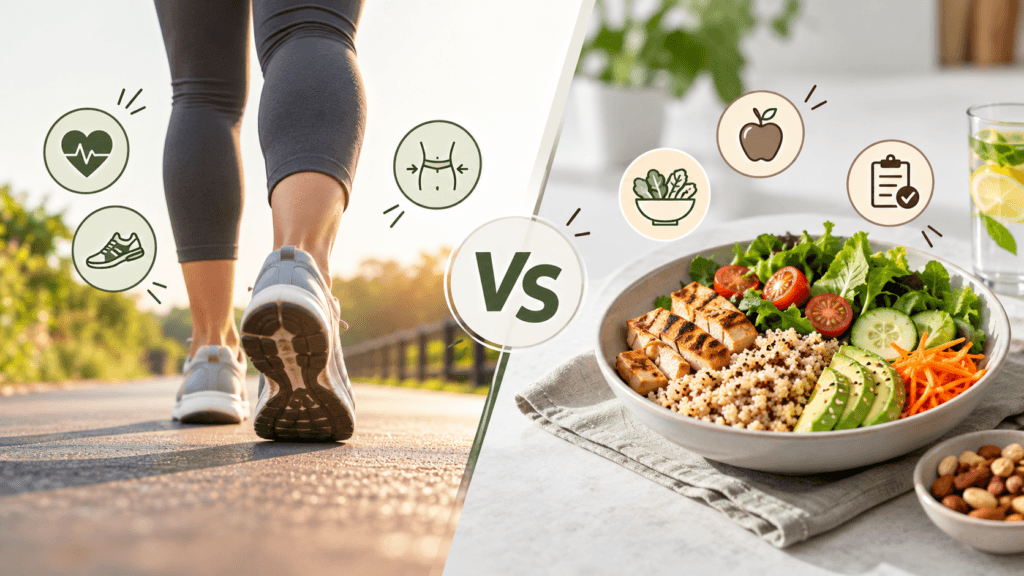
Eating well matters whether you walk every morning, attend gym sessions, practise yoga, run on weekends or train for a sporting event. However, your food and fluid requirements can change as your activity level increases.
A person who exercises for general fitness may have different nutritional needs from someone preparing for a half-marathon or completing demanding strength-training sessions. This is where sports nutrition becomes useful.
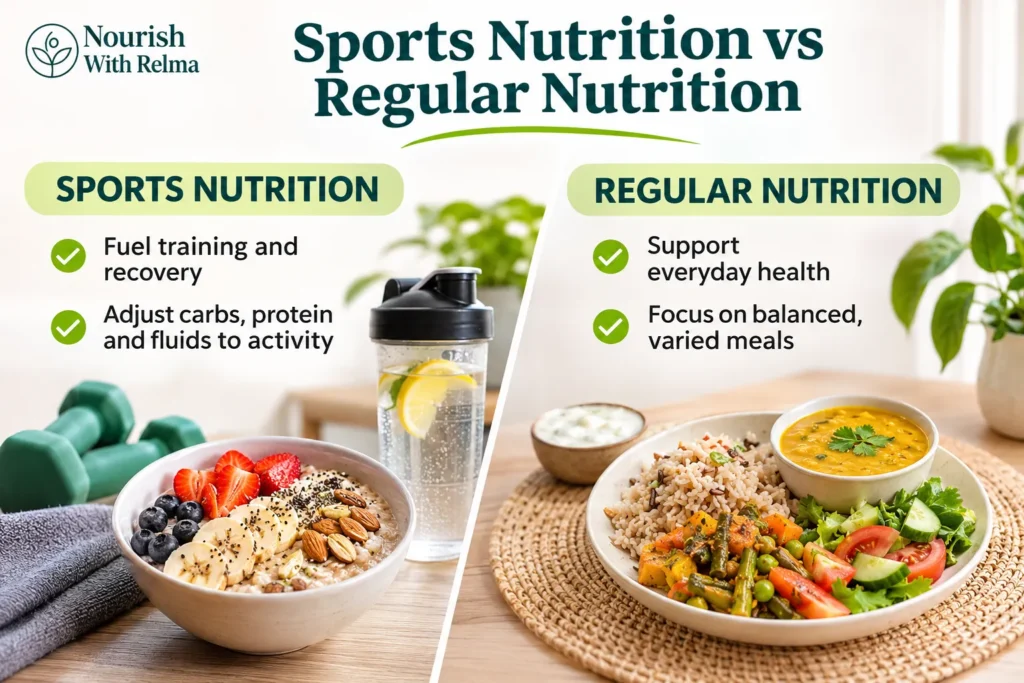
Regular nutrition focuses on meeting everyday nutritional requirements and supporting general health. Sports nutrition considers those same foundations while also accounting for training intensity, exercise duration, energy needs, meal timing, hydration and recovery.
You do not have to be a professional athlete to pay attention to sports nutrition. Sports Nutrition vs Regular Nutrition: Key Differences Understanding how food supports physical activity can help recreational runners, gym-goers, cyclists, trekkers and other active individuals make better decisions about their meals.
What Is the Difference Between Sports Nutrition and Regular Nutrition?
Regular nutrition involves eating a varied and balanced diet that provides the energy and nutrients your body needs for daily activities, growth, tissue maintenance and overall health.
Sports nutrition applies these principles to exercise and training. It looks at how food and fluids can support physical activity, replenish energy stores and help the body recover between sessions.
The foods themselves do not need to be completely different. The main differences are often the quantity, timing and combination of foods.
Area | Regular Nutrition | Sports Nutrition |
Main purpose | Supports everyday health and nutritional needs | Supports health, training and exercise recovery |
Energy needs | Based on daily activities and individual requirements | Adjusted according to training demands |
Carbohydrates | Provide energy for normal body functions | Help meet increased fuel requirements during demanding exercise |
Protein | Supports tissue maintenance and normal body functions | Also supports exercise-related muscle repair and adaptation |
Meal timing | Usually follows routine and personal preference | May be adjusted around demanding training sessions |
Hydration | Maintains everyday fluid balance | Considers sweat losses, exercise duration and weather |
Supplements | Used when there is a relevant nutritional or medical reason | Considered when there is a specific, evidence-supported need |
For example, someone who walks for 30 minutes may not need the same meal timing or exercise fuel as a cyclist completing a long-distance ride. Their overall diet should reflect their actual activity and individual requirements.
Why Should Active Individuals Pay Attention to Nutrition?
Exercise places demands on the body. Muscles use energy, sweating causes fluid loss, and recovery processes begin after training.
If your usual eating pattern does not provide enough energy or nutrients for your activity level, maintaining your training routine may become difficult. You might also find that recovery takes longer than expected.
A suitable eating pattern can help support:
- Energy availability for exercise and daily activities.
- Muscle repair and adaptation after training.
- Replenishment of energy stores used during exercise.
- Normal immune function and general health.
- Hydration and fluid balance.
- Consistency between training sessions.
Nutrition is one part of physical performance. Training quality, sleep, rest, technique, health and recovery habits also influence how your body responds to exercise.
5 Important Nutrition Factors for Better Performance and Recovery
- Carbohydrates: An Important Source of Exercise Fuel
Carbohydrates provide energy for the body. During moderate-to-high-intensity exercise, stored carbohydrates in the muscles, called glycogen, can be an important fuel source.
People who train regularly, participate in endurance activities or complete demanding workouts may need to pay particular attention to carbohydrate intake.
Everyday carbohydrate sources include:
- Rice and whole-wheat chapati.
- Ragi, oats and other millets.
- Idli, dosa and other grain-based foods.
- Potatoes and sweet potatoes.
- Bananas and other whole fruits.
- Pulses and beans.
There is no general need to eliminate carbohydrates simply because you want to improve your fitness. Restricting them unnecessarily while training hard can make it difficult to meet your energy requirements.
The amount you need depends on the activity. A short, easy workout may not require additional food during exercise. A long endurance session may call for a planned source of carbohydrate.
- Protein: Supporting Muscle Repair and Adaptation
Protein provides amino acids that the body uses to build and repair tissues. It is an important part of a balanced eating pattern for people who exercise.
Suitable food sources include:
- Eggs.
- Milk, curd and paneer.
- Dal, chickpeas and rajma.
- Soybeans and tofu.
- Fish and chicken.
- Nuts and seeds.
Try to include a suitable protein source in your main meals instead of relying on one large protein-rich meal at the end of the day.
For example, a vegetarian meal pattern could include dal with lunch, curd as a snack and paneer or chickpeas with dinner. People who eat eggs, fish or chicken can include these foods as additional protein sources.
Protein requirements vary according to body size, age, training type, exercise volume and health status. A personalised assessment is more useful than copying a high-protein target from a fitness influencer or another athlete.
- Healthy Fats: An Essential Part of a Balanced Diet
Dietary fats provide energy, help the body absorb fat-soluble vitamins and supply essential fatty acids.
Being physically active does not mean you should remove fat from your diet. Suitable sources include:
- Groundnuts and almonds.
- Walnuts and seeds.
- Sesame and other oilseeds.
- Fish, if included in your diet.
- Appropriate quantities of cooking oils.
Very high-fat meals immediately before exercise may feel uncomfortable for some people. If this happens, you can adjust the portion and timing according to your digestion and workout schedule.
- Vitamins and Minerals: Supporting Overall Health
Vitamins and minerals take part in many normal body functions, including energy metabolism, oxygen transport, bone health and muscle function.
A varied diet can help provide nutrients such as:
- Iron: Found in pulses, leafy vegetables, meat and other suitable foods. Iron is involved in oxygen transport.
- Calcium: Available in milk, curd, paneer and fortified alternatives. It supports bone health and normal muscle function.
- Vitamin B12: Found naturally in animal-derived foods and in appropriately fortified foods.
- Vitamin D: Obtained through selected foods and sunlight exposure. Supplementation may be needed when clinically indicated.
- Potassium and magnesium: Found in vegetables, fruits, pulses, nuts and seeds.
Some active individuals may be at risk of nutrient inadequacy because of restrictive eating, low energy intake or food exclusions. Persistent fatigue, dizziness or other concerning symptoms should be assessed by a healthcare professional rather than treated with supplements without advice.
- Hydration and Electrolytes: Replacing What You Lose
Sweating helps regulate body temperature during exercise. The amount of fluid and sodium lost varies between people and depends on exercise duration, intensity, weather and individual sweat rate.
For many short or moderate exercise sessions, drinking water and eating regular meals may be sufficient. Longer sessions, heavy sweating, hot conditions or repeated training may require more careful fluid and electrolyte planning.
Practical hydration habits include:
- Starting exercise reasonably hydrated.
- Keeping water available during longer activities.
- Drinking according to thirst and the demands of the session.
- Replacing fluids after substantial sweating.
- Eating regular meals that provide sodium and other electrolytes.
Drinking as much water as possible is not a safe hydration strategy. Excessive fluid intake during prolonged exercise can also be harmful. The aim is to avoid both significant dehydration and overdrinking.
What Should You Eat Before a Workout?
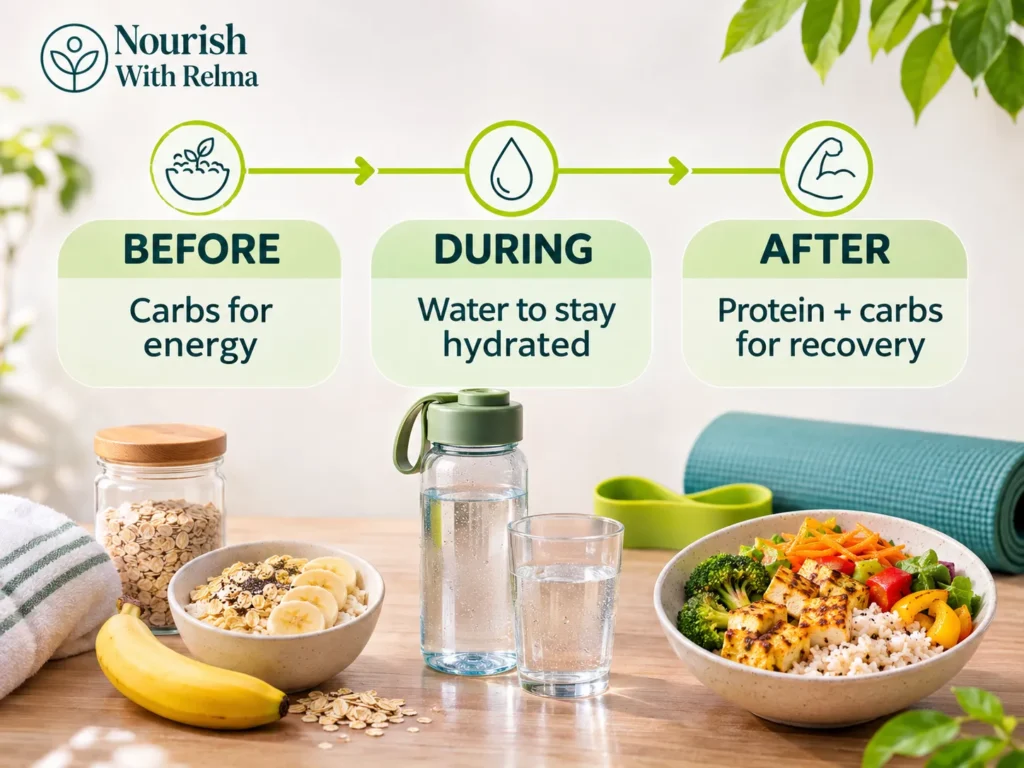
A pre-workout meal should provide useful energy without causing digestive discomfort. Your best option depends on how soon you plan to exercise, the intensity of your session and your food tolerance.
If you have a few hours before training, you could choose:
- Rice with dal and cooked vegetables.
- Chapati with paneer or egg.
- Idli with sambar.
- Oats with milk or curd and fruit.
If you are exercising soon after eating, a smaller snack may feel more comfortable. A banana, toast or a small serving of curd may work, depending on your tolerance.
Avoid trying unfamiliar foods immediately before an important event or demanding workout. It is better to test your usual pre-exercise meal routine during regular training.
What Should You Eat After Exercise for Recovery?
After exercise, your body needs nutrients to support recovery and prepare for the next session.
A useful recovery meal or snack generally includes a source of protein and carbohydrates. The amount and timing depend on how demanding your workout was and when you will exercise again.
Here are some practical Indian food combinations:
Recovery Meal or Snack | What It Provides |
Idli with sambar | Carbohydrates and plant protein |
Rice with dal and curd | Carbohydrates, protein and other nutrients |
Paneer with chapati | Protein and carbohydrates |
Eggs with toast | Protein and carbohydrates |
Milk or curd with banana | Protein, carbohydrates and fluid |
Chickpea or sprouts salad with a grain-based meal | Plant protein, fibre and carbohydrates |
You do not necessarily need a protein shake immediately after every workout. A regular meal can often meet your recovery needs.
If you have another demanding training session soon, recovery planning may need more attention, particularly for carbohydrate replacement, protein intake and fluid balance.
How Does Nutrition Change With Different Types of Exercise?
Not everyone who exercises needs the same eating plan. Your exercise type, duration, intensity and weekly frequency all influence your nutritional requirements.
Gym and Strength Training
People who do resistance training should pay attention to adequate energy intake, regular protein-rich meals and sufficient carbohydrates to support their sessions.
A balanced meal pattern containing eggs, paneer, dal, curd, rice, chapati, vegetables and fruit can provide a useful foundation.
The right portions depend on your training schedule, body size, health and goals. Eating more protein than you need does not automatically produce better results.
Running and Cycling
Longer running and cycling sessions can place greater demands on carbohydrate availability and hydration.
For extended endurance activities, a planned source of fuel during exercise may be useful. The amount and timing depend on the duration and intensity of the activity.
Practise your food and fluid strategy during training rather than introducing it for the first time on event day.
Trekking and Outdoor Activities
Trekking may involve several hours of activity, changing terrain and hot or humid conditions. Planning portable food and enough fluid can make the experience easier to manage.
Depending on the duration and intensity, practical options may include:
- Bananas.
- Sandwiches.
- Nuts and dates.
- Homemade snacks.
- Other familiar foods that travel well.
Your plan should account for the length of the trek, available water, weather and how comfortably you can eat while moving.
Yoga and General Fitness
People practising yoga, walking or lighter fitness activities usually do not need specialised sports products. A balanced everyday diet, suitable meal timing and adequate hydration may be enough.
The goal is to match food choices to actual activity demands rather than assuming every exercise routine requires an athlete-style diet.

Do You Need Sports Drinks, Protein Powders or Supplements?
Not necessarily. Sports products can be convenient in certain situations, but they are not essential for everyone who exercises.
Sports drinks: These may be useful during prolonged exercise when both fluid and carbohydrate replacement are needed. Water and regular meals may be sufficient for many shorter sessions.
Protein powders: These can be convenient when it is difficult to meet protein requirements through food. They are optional, not compulsory. Milk, curd, eggs, paneer, pulses, soy, fish and chicken can all contribute protein.
Electrolyte products: These may be useful when sweat and sodium losses are substantial or when rapid rehydration is needed. They are not automatically required after every workout.
Performance supplements: Some supplements have evidence for specific uses. However, their safety, effectiveness, product quality, medication interactions and anti-doping risks should be considered.
A food-first approach is a sensible starting point. The International Olympic Committee’s guidance on supplements highlights the need to assess a product carefully before using it. A qualified sports nutrition professional can help determine whether a supplement is appropriate for your circumstances.
Common Sports Nutrition Mistakes to Avoid
Even people who train consistently can overlook basic nutrition habits. Watch out for these common mistakes:
Skipping meals around demanding workouts: Eating too little can make it difficult to meet your energy and recovery needs.
Avoiding carbohydrates unnecessarily: Carbohydrates can be an important fuel source for demanding exercise. Restricting them without a clear reason may affect energy availability.
Eating too little protein: Include suitable protein sources throughout your day to support normal tissue maintenance and exercise adaptation.
Relying only on supplements: Protein powders and sports products cannot replace a balanced overall eating pattern.
Ignoring hydration: Fluid needs change according to exercise duration, weather and sweat losses.
Copying an athlete’s diet plan: A professional athlete’s training volume and nutrition requirements may be very different from those of a recreational gym-goer.
Trying new foods on competition day: Familiar foods and a tested fuelling routine can reduce the chance of unexpected digestive discomfort.
When Should You Consult a Sports Nutritionist in Mysore?
A sports nutrition professional may be useful if you exercise regularly and want to understand whether your eating pattern supports your training.
You may consider consulting a sports nutritionist in Mysore if:
- Your current meals do not seem to match your activity level.
- You are preparing for a running, cycling or other endurance event.
- You want help planning meals around strength training.
- You are unsure how to balance protein, carbohydrates and everyday meals.
- You experience repeated digestive discomfort during exercise.
- You follow a vegetarian or restricted diet and want to check nutritional adequacy.
- You need help planning food and fluids for long outdoor activities.
When choosing a sports nutritionist, review their education and relevant experience. Ask how they assess your health history, food preferences, training schedule and individual goals. Their recommendations should be practical enough to follow as part of your everyday routine.
If you experience persistent fatigue, recurrent injuries, dizziness, unexplained weight changes or other health concerns, consult an appropriate healthcare professional. Nutrition guidance should complement medical care when needed.
Sports Nutrition Guidance With Nourish With Relma
Sports nutrition should fit your training routine, food habits and personal goals. A meal plan designed for a competitive athlete may not suit someone who goes to the gym three times a week or enjoys weekend trekking.
Nourish With Relma lists sports nutrition among its areas of focus. Its website describes nutrition plans intended to support active lifestyles, energy, endurance, recovery and performance.
The website also outlines an online consultation process:
- Book an appointment: Choose a suitable appointment time.
- Complete an assessment form: Share your health history, food habits and goals.
- Attend a one-to-one video call: Discuss your concerns and routine.
- Receive a personalised diet plan: Get a structured plan based on the assessment.
If you want to review your current eating habits and explore nutrition guidance for your activity level, visit Nourish With Relma.
Conclusion
Sports Nutrition vs Regular Nutrition: Key Differences in Mysore share the same foundation: a balanced eating pattern that provides enough energy and essential nutrients. Sports nutrition takes exercise demands into account and adjusts food choices, meal timing, hydration and recovery strategies where needed.
You do not need expensive supplements or a complicated athlete’s diet to get started. Regular meals, suitable carbohydrate and protein sources, varied foods and sensible hydration can provide a strong foundation for many active individuals.
As your training demands change, your nutrition needs may change too. If you are unsure whether your meals support your activity, guidance from a qualified nutrition professional can help you make practical adjustments.
Frequently Asked Questions
1. What is the difference between sports nutrition and regular nutrition?
Regular nutrition supports everyday health and nutrient requirements. Sports nutrition builds on the same principles but considers exercise intensity, duration, energy needs, meal timing, hydration and recovery.
2. Do beginners need a sports nutrition plan?
Not always. People starting with walking, light exercise or a few gym sessions each week may meet their needs through a balanced everyday diet. More specific planning may become useful as training volume and intensity increase.
3. What should I eat before a workout?
A suitable pre-workout meal can include carbohydrates and some protein. Examples include idli with sambar, rice with dal, chapati with egg or oats with milk. Choose portions and timing that feel comfortable before exercise.
4. What should I eat after exercise for muscle recovery?
A meal containing protein and carbohydrates can support recovery. Practical options include rice with dal and curd, paneer with chapati, eggs with toast or milk with a banana.
5. Are carbohydrates important for sports performance?
Yes. Carbohydrates provide energy, and stored carbohydrate in the muscles can be an important fuel source during moderate-to-high-intensity exercise. Requirements depend on exercise duration and intensity.
6. Do I need protein powder if I go to the gym?
No. Protein powder is optional. Foods such as eggs, milk, curd, paneer, pulses, soy, fish and chicken can provide protein. Supplements may be considered when there is a specific nutritional or practical need.
7. Are sports drinks necessary during every workout?
No. Water is often sufficient for shorter or less demanding sessions. Sports drinks may be useful during prolonged exercise when both carbohydrate and fluid replacement are needed.
8. How do I choose a sports nutritionist in Mysore?
Look for a professional with appropriate education in nutrition and dietetics and relevant sports nutrition experience. Ask how they assess your training, food habits, health history and individual goals before recommending a plan.