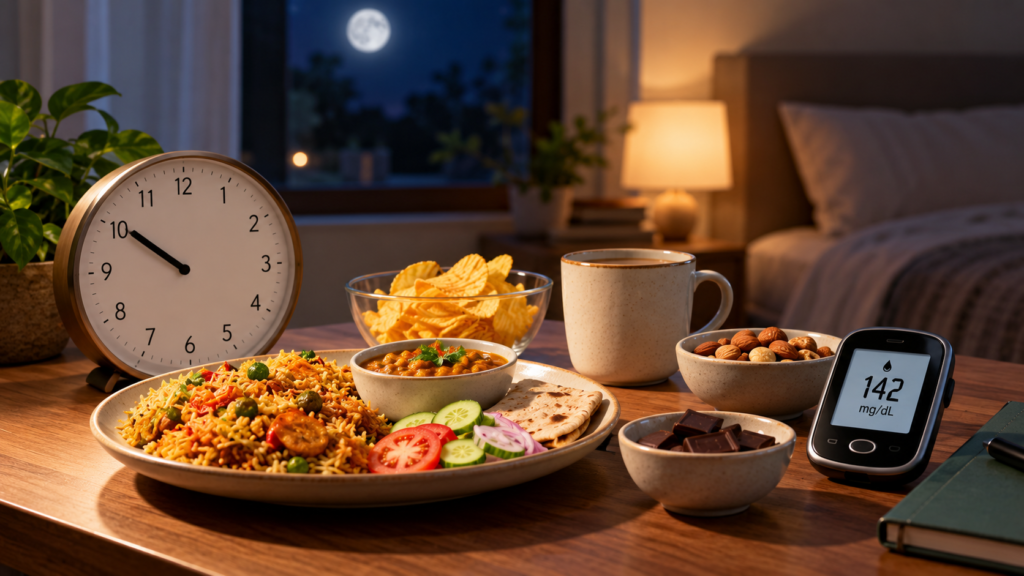
You finish lunch, get back to work and check your blood sugar a little later. The reading is higher than expected. You may start wondering whether you ate too much rice, whether the meal was too sweet or whether something is wrong with your diabetes management.
A rise in blood sugar after eating is a normal part of digestion. The concern is when glucose rises beyond your recommended range, stays elevated or follows a repeated pattern that your healthcare team wants to address.
The reason is not always one particular food. The amount of carbohydrates, meal portions, food combinations, physical activity, medication and individual insulin response can all influence post-meal blood glucose.
Understanding these factors can help you make more informed food choices without unnecessarily removing familiar foods from your diet.
What Happens to Blood Sugar After You Eat?
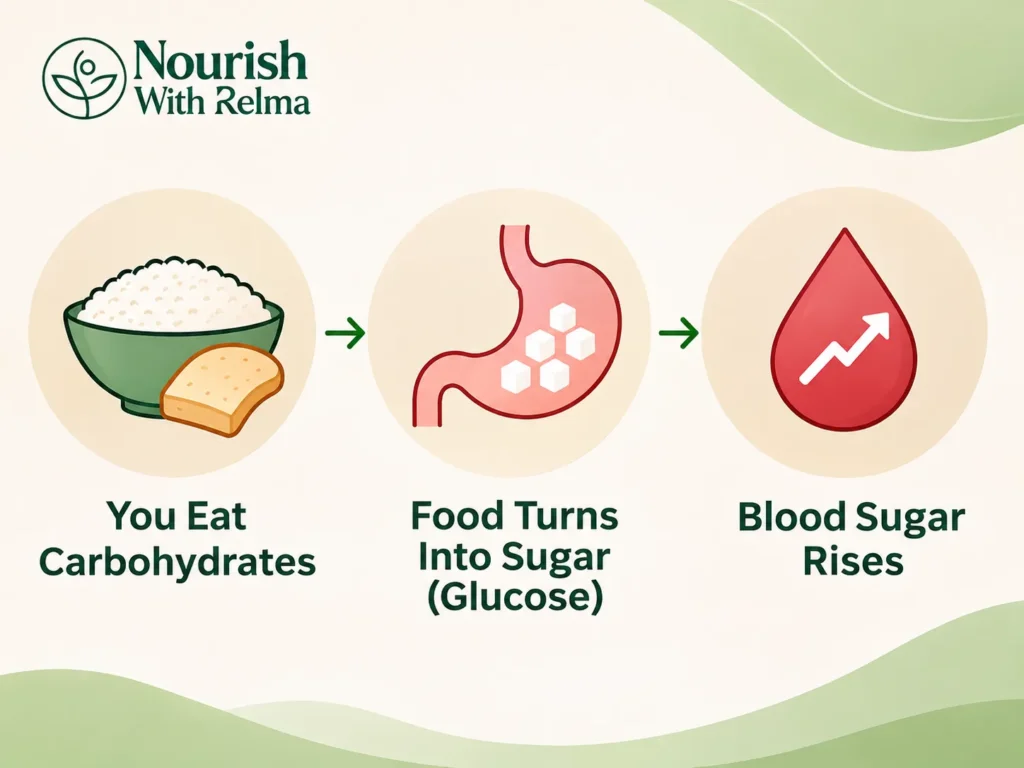
When you eat, your digestive system breaks down carbohydrates into smaller sugars, including glucose. This glucose enters the bloodstream and becomes an energy source for your body.
The pancreas releases insulin, a hormone that helps glucose move from the bloodstream into cells. The cells use glucose for energy or store it for later use.
In people without diabetes, insulin generally helps regulate this process. In people with diabetes, the body may not produce enough insulin, may not respond to insulin effectively, or may experience a combination of both problems.
As a result, glucose can remain in the bloodstream for longer or rise higher after a meal.
This increase is called postprandial hyperglycemia, which means high blood glucose after eating.
Is a rise in blood sugar after eating normal?
Yes. Blood glucose normally increases after a meal because food provides energy, including carbohydrates that are converted into glucose.
The size and duration of the increase vary between individuals. A meal that produces a modest rise in one person may cause a larger increase in another person.
People with diabetes may have difficulty bringing glucose back towards their target range because of changes in insulin production or insulin action.
The goal is not to prevent every increase in blood sugar. It is to understand whether your readings are within the range recommended for your health needs.
Why Does Blood Sugar Rise After Meals?
Several factors can influence how much your blood sugar increases after eating. Looking at the whole meal and your daily routine is usually more useful than blaming one ingredient.
- Eating a large portion of carbohydrates
Carbohydrates have a direct effect on blood glucose because the digestive system breaks many of them down into glucose.
Common carbohydrate-rich foods include:
- Rice
- Roti and chapati
- Bread
- Idli and dosa
- Poha and upma
- Potatoes
- Fruits
- Milk and yoghurt
- Sweets and desserts
Eating a larger portion of carbohydrate-rich food can result in a greater glucose rise, although the response depends on the food, the rest of the meal and the individual.
For example, a large serving of rice with very few vegetables or protein sources may affect glucose differently from a meal containing a more balanced combination of foods.
This does not mean rice or roti must be completely removed. Portion size and the overall meal matter.
- Choosing foods with less fibre
Dietary fibre is found in foods such as vegetables, pulses, beans, whole grains, nuts and seeds.
Fibre can influence how quickly food is digested and how glucose enters the bloodstream. Meals containing very little fibre may produce a different glucose response from meals that include fibre-rich foods.
Consider two broad meal patterns:
Meal A: A large portion of white rice with a small amount of accompaniment.
Meal B: A suitable portion of rice with vegetables, dal and a protein source.
Both meals contain carbohydrates. However, their overall composition is different.
Adding vegetables, pulses and other suitable fibre sources can improve the nutritional balance of a meal. The appropriate quantities depend on individual dietary requirements.
Drinking sugary beverages with meals
Sugary drinks can add carbohydrates without providing the same feeling of fullness as many solid foods.
Examples include:
- Sweetened tea or coffee
- Packaged fruit drinks
- Soft drinks
- Sweetened milk beverages
- Sugar-added juices
- Sweetened energy drinks
A person may carefully control the amount of rice or roti they eat but overlook the sugar in their drinks.
For example, drinking sweetened tea several times a day can add to overall carbohydrate intake. Packaged drinks may also contain added sugars that are easy to overlook.
Check ingredient lists and nutrition labels when buying packaged beverages. Look at the serving size as well as the amount of total and added sugars.
Eating refined carbohydrates frequently
Refined carbohydrate foods often contain less fibre than their less-refined alternatives.
Examples include white bread, bakery products, some breakfast cereals, biscuits and certain packaged snacks.
These foods can be convenient, but their carbohydrate content and portion sizes may contribute to post-meal glucose changes.
You do not need to judge a food only by whether it is labelled healthy or unhealthy. Check the ingredients, portion size and how frequently you eat it.
Eating large meals after long gaps
Long gaps between meals can lead some people to feel extremely hungry. They may then eat a larger portion than planned.
The size and composition of that meal can affect post-meal glucose.
Skipping meals is not a reliable method of controlling blood sugar. It may also be risky for people taking insulin or certain diabetes medicines that can cause low blood glucose.
A consistent meal routine may be helpful for some people, but the appropriate schedule depends on medication, lifestyle and individual health needs.
Not getting enough physical activity
Physical activity helps muscles use glucose for energy.
When someone spends most of the day sitting, their muscles may use less glucose than when they are regularly active. Inactivity can therefore contribute to blood glucose management difficulties.
This does not mean you need an intense workout after every meal.
For some people, a gentle walk after eating may be a suitable activity. However, people who take insulin or medicines that can cause low blood sugar should discuss safe activity and timing with their healthcare professional.
Stress and poor sleep
Blood glucose is affected by more than food.
Stress and inadequate sleep can influence hormones involved in glucose regulation. Some people notice changes in their readings during stressful periods or after several nights of disrupted sleep.
If you notice a repeated relationship between your sleep, stress and glucose readings, record the pattern.
A healthcare professional can help you consider these factors alongside your meals and treatment plan.
Medication timing and insulin response
The body needs insulin to regulate glucose after eating. In diabetes, the amount of insulin available or the way the body responds to it may be insufficient for the meal.
The type of diabetes medication, its timing and its duration of action can affect post-meal readings.
If your glucose repeatedly rises above your recommended target after meals, your doctor may review your treatment.
Never take an extra dose, change medication timing or stop prescribed medication without medical guidance.
Which Foods Can Cause a Faster Blood Sugar Rise?
Different carbohydrate-containing foods can affect glucose at different rates. The response also depends on cooking methods, portion sizes, food combinations and individual digestion.
The glycaemic index (GI) is one tool used to compare how carbohydrate-containing foods affect blood glucose under standard testing conditions.
However, GI does not tell the whole story. It does not account for every aspect of a mixed meal or the amount of food eaten.
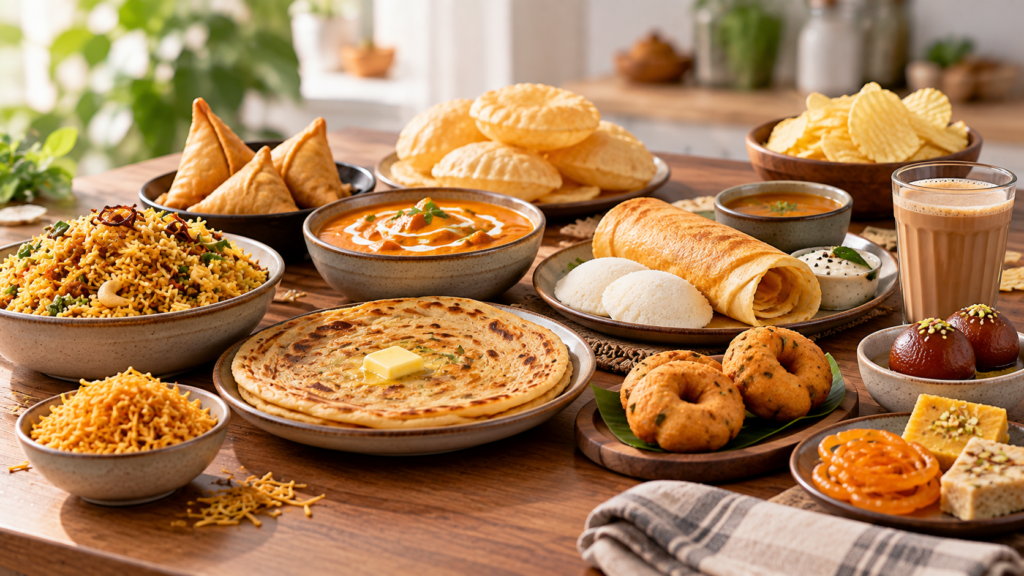
Here are examples of foods commonly included in Indian meals.
Rice
Rice is a staple in many South Indian households. It provides carbohydrates, which contribute to post-meal glucose.
The amount eaten is relevant. A large serving may provide more carbohydrates than a smaller serving.
You can discuss suitable portions with your healthcare professional instead of removing rice completely.
Idli and dosa
Idli and dosa are made from ingredients that contain carbohydrates. Their effect on blood glucose depends on the recipe, portion size and accompanying foods.
For example, the overall meal will differ depending on whether idli is eaten with sambar and other accompaniments or consumed in a much larger portion without additional food groups.
There is no single rule that applies to everyone with diabetes.
Ragi
Ragi is commonly used in Karnataka and other parts of South India. It provides fibre and other nutrients, but it also contains carbohydrates.
Ragi-based foods can still raise blood glucose. The portion, preparation method and meal composition matter.
Chapati and roti
Chapati and roti contain carbohydrates. Their effect depends on the flour used, size, number of pieces and accompanying dishes.
A meal containing roti, vegetables and dal has a different nutritional composition from one containing several rotis with very little accompaniment.
Fruits
Whole fruits provide carbohydrates along with fibre, vitamins and other nutrients.
Fruit juice is different because it can be easier to consume a larger quantity of fruit sugars in a short period, often with less fibre than whole fruit.
People with diabetes do not automatically need to avoid all fruits. The type, portion and timing should fit their individual nutrition plan.
Sweets and desserts
Sweets, cakes, biscuits, sweetened drinks and desserts can contain significant amounts of added sugar and refined carbohydrates.
Eating them frequently or in large portions may contribute to higher post-meal glucose readings.
If you enjoy sweets, discuss suitable portions and frequency with your healthcare professional rather than following extreme restrictions.
Does Meal Combination Affect Blood Sugar?
Yes. The overall composition of a meal can influence digestion, fullness and the glucose response.
Carbohydrates are only one part of a meal. Fibre, protein and fat can also influence how quickly food is digested and how glucose appears in the bloodstream.
For example, compare these meal combinations:
Meal pattern | What to consider |
Large serving of rice alone | May provide a high amount of carbohydrates with limited fibre and protein |
Rice with dal and vegetables | Includes carbohydrates, fibre and plant-based protein |
Roti with vegetables and curd | Combines carbohydrates with vegetables and a protein-containing food |
Idli with sambar | Combines a carbohydrate source with a lentil-based accompaniment |
Sweetened beverage with a meal | Adds carbohydrates that may otherwise be overlooked |
These examples are for general education. They are not individual meal prescriptions.

Why include protein?
Protein supports muscle maintenance and many other body functions. Foods such as dal, beans, eggs, fish, chicken, paneer and curd can provide protein.
Including a suitable protein source may help make a meal more balanced and satisfying.
People with kidney disease or other medical conditions may have specific protein requirements. They should seek individual advice rather than increasing protein intake independently.
Why include vegetables?
Non-starchy vegetables provide fibre, vitamins and minerals. Examples include beans, cucumber, gourds, cabbage, cauliflower, spinach and other leafy vegetables.
Including vegetables in meals can improve dietary variety and fibre intake.
The amount and type of vegetables should be adapted to personal tolerance and medical requirements.
What Is a Normal Blood Sugar Level After Eating?
Blood glucose targets are not identical for everyone. They can depend on age, duration of diabetes, pregnancy, other health conditions, medication and the risk of low blood sugar.
The American Diabetes Association lists a post-meal target of less than 180 mg/dL, measured 1–2 hours after the beginning of a meal, for many non-pregnant adults with diabetes. This is a general reference, not a personal target for every individual.
Your doctor may recommend a different range.
What does post-meal blood sugar mean?
Post-meal blood glucose refers to the glucose level measured after eating.
The timing of the test matters. A reading taken 30 minutes after a meal cannot be compared directly with one taken two hours after the meal begins.
If you monitor your glucose, follow the timing recommended by your healthcare professional. Record the time you started eating and the time you checked your reading.
Does one high reading mean I have diabetes?
No. A single home glucose reading after a meal cannot diagnose diabetes.
Diagnosis generally involves appropriate laboratory tests, such as fasting plasma glucose, HbA1c or an oral glucose tolerance test, interpreted by a qualified healthcare professional.
If you are concerned about repeated high readings, arrange a medical assessment rather than trying to diagnose yourself.
How Can You Monitor Blood Sugar After Meals?
Monitoring can help you understand how your body responds to meals and your diabetes care plan.
The purpose is to identify patterns, not to judge yourself based on individual numbers.
If your healthcare professional has advised you to check post-meal glucose, follow the recommended timing and technique.
- Wash your hands before testing
Food residue on your fingers can interfere with some finger-prick readings. Wash and dry your hands before using your glucose meter.
Follow the instructions provided with your device.
- Record when you started eating
Post-meal readings are usually interpreted in relation to the beginning of the meal.
Write down your meal start time so that you can understand when the reading was taken.
- Note what you ate
You do not need to write a detailed food diary for every meal unless your healthcare professional asks you to.
A simple record of the main foods, approximate portions and beverages can help identify patterns.
- Record activity and other factors
Note whether you walked after eating, remained seated for several hours, slept poorly or experienced unusual stress.
These details may help explain differences between readings.
- Review repeated patterns with your healthcare team
If similar meals repeatedly lead to higher readings, share your records with your doctor or diabetes educator.
They can review the pattern and determine whether changes to your meal plan, monitoring routine or treatment are appropriate.
Example of a post-meal glucose record
Information | What to record |
Meal | Breakfast, lunch or dinner |
Meal start time | The time you began eating |
Food | Main foods and approximate portions |
Glucose reading | The result from your meter or CGM |
Checking time | How long after the meal the reading was taken |
Activity | Walking, exercise or prolonged sitting |
Other observations | Stress, illness, sleep or medication-related notes |
A continuous glucose monitor may provide additional information about glucose changes between meals. Ask your healthcare professional whether it is suitable for you.
Practical Ways to Support Better Post-Meal Blood Sugar Management
There is no single food or routine that guarantees a particular glucose reading. However, some everyday habits can support a more consistent approach to diabetes nutrition.
Build meals around a variety of food groups
Try to include suitable portions of vegetables, protein-containing foods and carbohydrate sources.
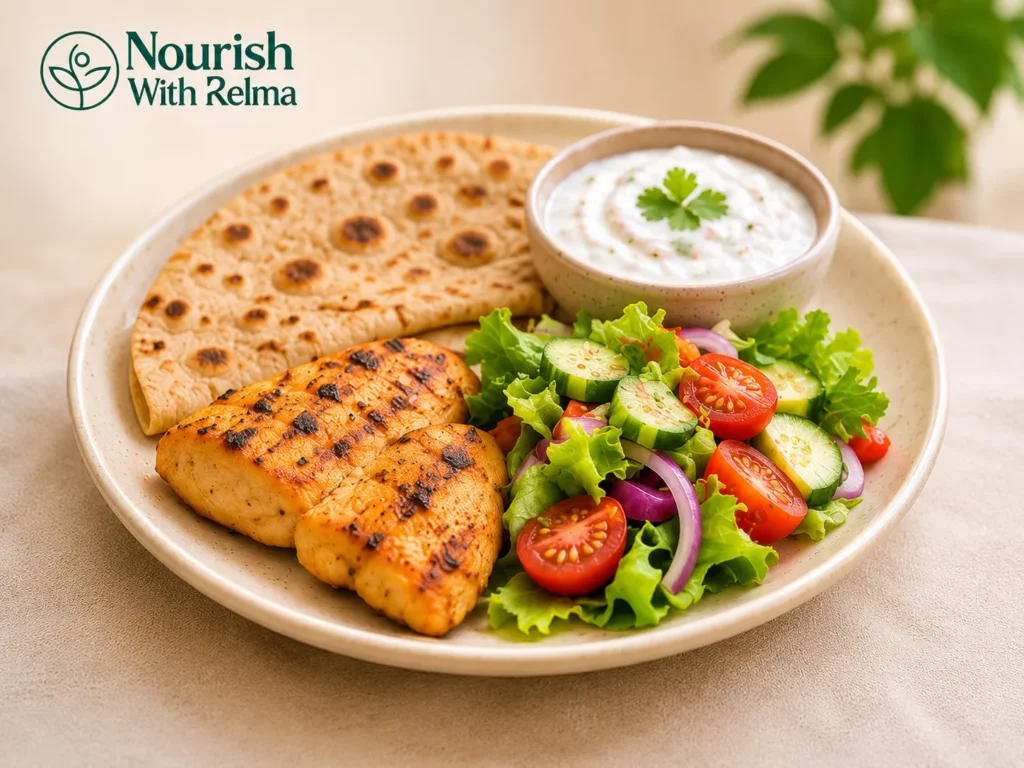
For example, a meal may include rice or roti, dal, vegetables and curd. The quantities should reflect your nutritional needs and prescribed treatment.
Be aware of carbohydrate portions
Foods such as rice, chapati, idli, dosa, bread and potatoes all contribute carbohydrates.
You do not have to eliminate them automatically. Understanding how much you eat can help you make more informed choices.
Reduce frequent sugary drinks
If you regularly drink sweetened tea, coffee, packaged juice or soft drinks, review how much added sugar they contribute.
Water and other suitable unsweetened beverages may be alternatives, depending on your health needs.
Avoid relying on food labels alone
A product labelled as natural, millet-based, multigrain or sugar-free is not automatically suitable for every person with diabetes.
Check the total carbohydrate content, serving size and ingredients. Some products marketed as healthy foods can still contain considerable carbohydrates.
Stay physically active
Regular physical activity supports overall health and can help the body use glucose.
Choose activities appropriate for your health and fitness level. If you take medication that can cause low blood sugar, ask your healthcare professional about precautions.
Follow your prescribed treatment
Food choices and physical activity are important parts of diabetes management, but they do not replace medication when medication has been prescribed.
If your readings remain above your target, discuss the pattern with your doctor.
Common Mistakes People Make When Trying to Control Post-Meal Blood Sugar
Sometimes, the changes people make after seeing a high reading can create additional problems.
Removing all carbohydrates
Carbohydrates are found in many everyday foods, including grains, pulses, fruits and milk.
Removing all carbohydrate-containing foods without professional advice can make a meal plan unnecessarily restrictive and may affect nutritional adequacy.
The goal is to understand suitable sources and portions.
Replacing meals with fruit juice
Fruit juice may seem like a lighter option than a full meal, but it can provide a concentrated source of carbohydrates.
Whole fruit generally provides more fibre than juice. Choose portions according to your individual plan.
Skipping the next meal
Skipping a meal to compensate for a high reading is not a reliable strategy. It can also increase the risk of low blood glucose for people taking certain diabetes medications.
Follow the meal and medication advice given by your healthcare team.
Exercising intensely to bring glucose down quickly
Physical activity can affect glucose, but intense exercise is not an appropriate response to every high reading.
People with very high glucose, ketones, illness or certain complications may need specific medical advice before exercising.
Changing medication without consulting a doctor
Taking extra medication or changing insulin doses can cause hypoglycemia and other complications.
Always discuss repeated high readings with your prescribing doctor.
How Can Personalized Nutrition Guidance Help?
Two people can eat similar meals and still have different glucose responses. Their health history, activity, medication, sleep, meal portions and insulin response may differ.
This is one reason generic diet charts may not suit everyone.
Personalized nutrition guidance can help review:
- Your usual breakfast, lunch and dinner.
- How often you eat rice, roti, idli, dosa and other carbohydrate foods.
- Your preferred foods and cooking habits.
- Meal timing and portion sizes.
- Your daily work schedule and physical activity.
- Your existing health concerns and prescribed treatment.
- Your practical challenges when planning meals.
At Nourish With Relma, the website describes personalized meal planning and nutrition guidance for diabetes among its listed areas of support.
The website also describes a consultation process that allows people to enquire about nutrition guidance and personalized plans. If you are considering support for diabetes nutrition, contact the team to confirm whether the consultation meets your needs.
Nutrition guidance should complement your diabetes care plan. It does not replace medical assessment, prescribed medication or glucose monitoring.
When Should You Speak With a Healthcare Professional?
Occasional changes in glucose readings can happen. However, repeated readings above your recommended range deserve attention.
Speak with your healthcare team if:
- Your blood sugar is frequently high after meals.
- Your glucose readings remain elevated for several hours.
- You are unsure how much carbohydrate to include in your meals.
- You experience frequent thirst or urination.
- You are experiencing unexpected weight changes.
- Your current meal plan is difficult to follow.
- You are considering changes to your medication or insulin.
- You experience repeated low glucose episodes after meals.
Your healthcare professional may review your glucose records, HbA1c, medication, meal routine and other relevant health information.
Seek urgent medical attention if high blood glucose occurs with vomiting, abdominal pain, difficulty breathing, confusion or severe drowsiness. These symptoms may indicate a serious complication, including diabetic ketoacidosis.
Do not delay urgent medical care while waiting for a diet or nutrition consultation.
Frequently Asked Questions
1. Why does blood sugar spike immediately after eating?
Blood sugar rises as carbohydrates are digested and glucose enters the bloodstream. In people with diabetes, insufficient insulin production or reduced insulin sensitivity can make it harder to regulate this increase.
2. How long after eating does blood sugar usually rise?
Glucose begins to rise as food is digested and absorbed. The timing and size of the peak vary depending on the meal, digestion, medication and individual metabolism. Follow your healthcare professional’s recommended testing time when monitoring post-meal glucose.
3. What is a normal blood sugar level two hours after eating?
The American Diabetes Association lists less than 180 mg/dL at 1–2 hours after the beginning of a meal as a general target for many non-pregnant adults with diabetes. Your personal target may be different.
4. Can rice cause a blood sugar spike?
Rice contains carbohydrates and can raise blood glucose after eating. The effect depends on the portion, preparation, accompanying foods and individual glucose response. People with diabetes do not automatically need to eliminate rice.
5. Does eating idli or dosa increase blood sugar?
Idli and dosa contain carbohydrates and may raise glucose. Portion size, recipe, accompanying foods and individual response all matter.
6. Is ragi good for people with diabetes?
Ragi provides fibre and nutrients, but it also contains carbohydrates. It can be included in some diabetes meal plans in suitable portions. It does not prevent blood sugar increases by itself.
7. Can walking after meals help with blood sugar?
Physical activity helps muscles use glucose. A gentle walk after a meal may be suitable for some people, but the appropriate activity depends on health status and medication. People at risk of low blood sugar should seek individual guidance.
8. Why is my blood sugar high even after eating a small meal?
Portion size is only one factor. The meal’s carbohydrate content, medication, stress, illness, sleep and insulin response can also influence glucose. Repeated patterns should be reviewed with your healthcare professional.