A diagnosis of polycystic ovary syndrome (PCOS) often brings questions about food, body weight and long-term health. Some women are advised to lose weight, while others receive strict food rules from social media or friends. This can make it difficult to know which dietary changes are actually useful.
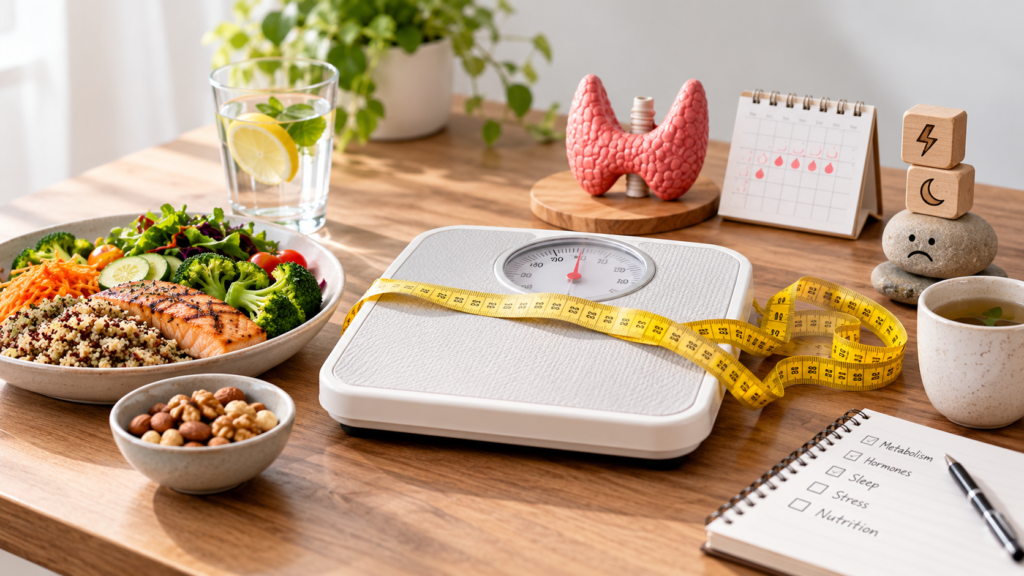
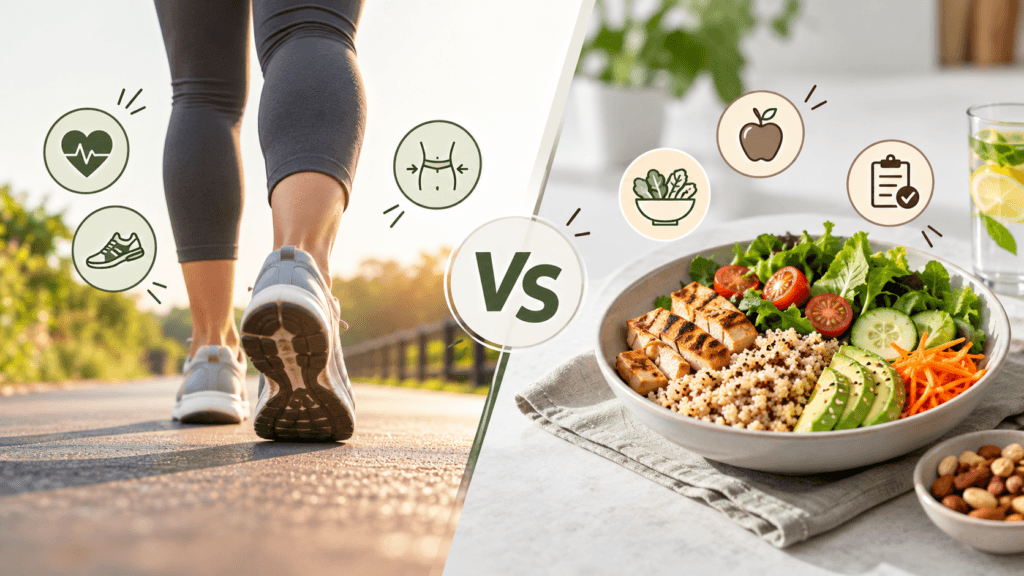
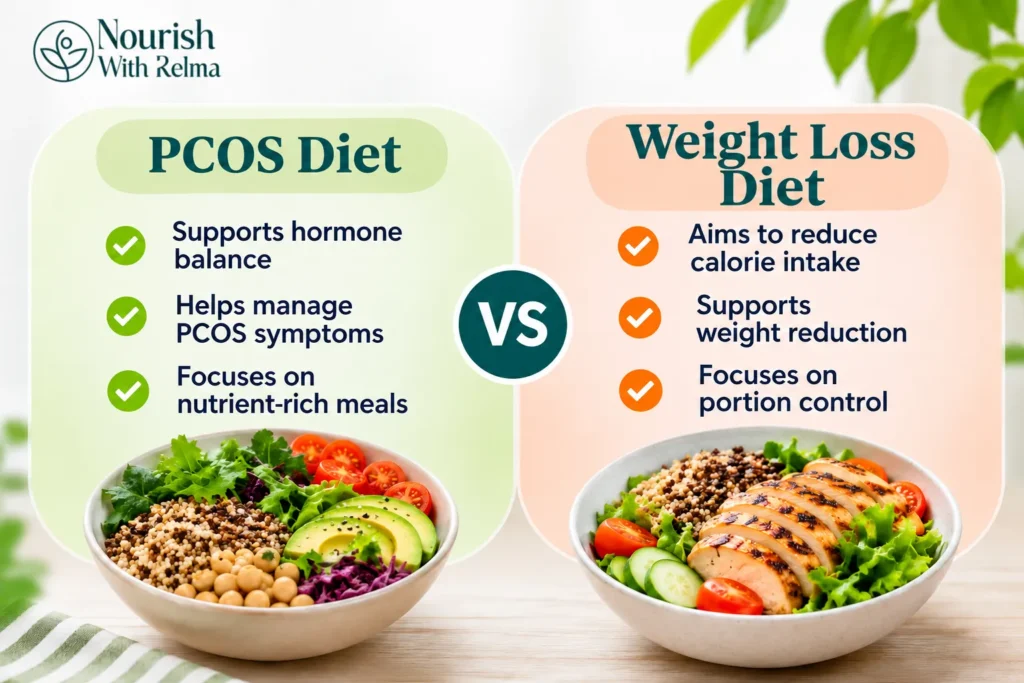
A general weight-loss diet usually aims to reduce energy intake to support weight reduction. Nutrition planning for PCOS has a broader purpose. It considers metabolic health, nutritional requirements, food preferences and the health goals of the individual.
Weight management may be relevant for some women with PCOS, but it is not a requirement for everyone. Your nutrition needs depend on your health, lifestyle and personal priorities.
If you are looking for a PCOS Diet vs Weight Loss Diet: Key Differences & Food Tips, understanding this difference can help you make better decisions about your eating habits.
What Is the Difference Between a PCOS Diet and a General Weight-Loss Diet?
A PCOS-focused eating plan considers the person’s overall health, food preferences, lifestyle and nutritional requirements. Weight management can be included when appropriate, but it is not the only possible goal.
A general weight-loss diet usually focuses on creating an energy deficit. If it follows a standard chart without considering PCOS-related concerns, it may not address the person’s wider nutrition needs.
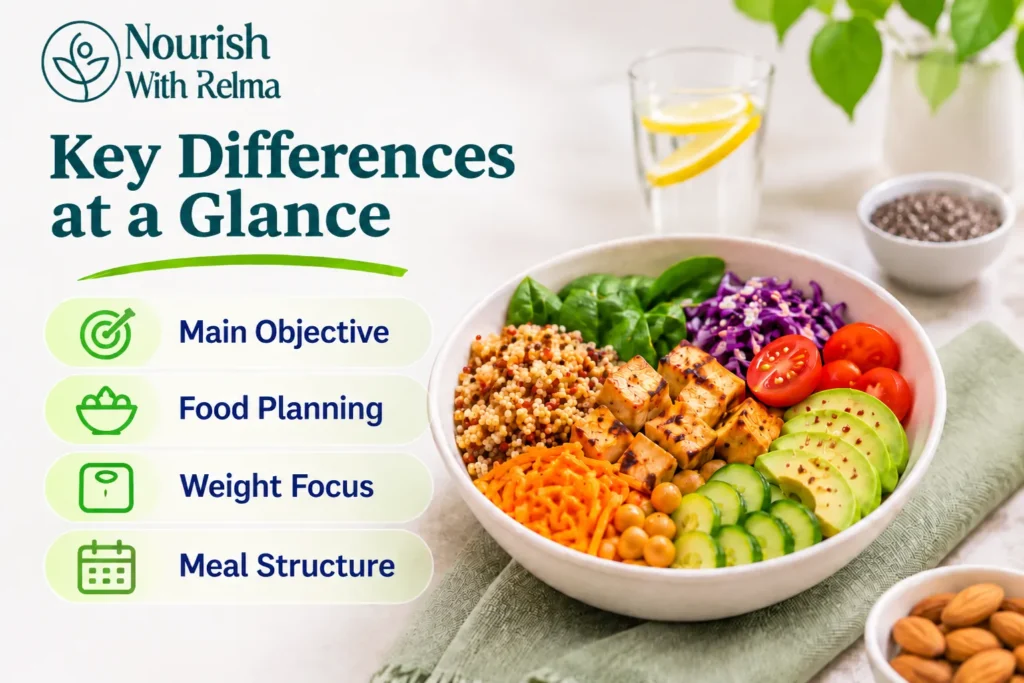
Area | General weight-loss diet | PCOS-focused nutrition |
Main objective | Support weight reduction | Address individual health and nutrition goals |
Food planning | Often focuses on portions and calorie intake | Considers food quality, variety and nutritional adequacy |
Weight | Usually a primary target | May or may not be a goal |
Meal structure | May use a standard calorie target | Adapted to routine, preferences and health needs |
Long-term approach | Can become restrictive if poorly planned | Encourages sustainable eating habits |
Progress | Often measured mainly by body weight | Can include lifestyle and relevant health measures |
Women with PCOS do not need an entirely separate collection of foods. Their nutrition plan should reflect their individual health requirements instead of treating weight reduction as the only measure of progress.
Why Does PCOS Nutrition Need an Individual Approach?
PCOS is a hormonal and metabolic condition. Its features can include irregular menstrual cycles, higher androgen levels and polycystic ovarian morphology, depending on the diagnostic criteria used.
Insulin resistance is common among people with PCOS, although it does not affect everyone in the same way. It can influence metabolic health and is one factor considered during PCOS care.
Two women with the same diagnosis may have very different experiences. Their symptoms, medical histories, food preferences, activity levels and nutrition goals may not be alike.
A suitable nutrition plan should consider:
- Current eating habits and meal timings.
- Vegetarian or non-vegetarian food preferences.
- Work routine, sleep and physical activity.
- Medical history and diagnosed metabolic conditions.
- Nutritional adequacy and possible dietary gaps.
- Personal goals, including whether weight management is desired.
The 2023 International Evidence-based Guideline for PCOS recommends healthy lifestyle behaviours for all women with PCOS. It also states that goals should be individualised and that health benefits can occur even without weight loss
Does Everyone With PCOS Need to Lose Weight?
No. Weight loss is not a universal requirement for managing PCOS.
Some women with PCOS have a higher body weight, while others do not. Weight alone cannot describe a person’s complete metabolic or reproductive health.
For someone at a higher weight who wants to work towards weight management, an individualised and sustainable plan may be suitable. Another person may prefer to focus on balanced meals, physical activity and nutritional adequacy without pursuing weight loss.
The international PCOS guideline recognises both weight-focused and weight-inclusive approaches. It also advises healthcare professionals to be aware of weight stigma when discussing lifestyle changes.
Your healthcare professional can help identify which health assessments and treatment options are relevant. Nutrition support should form part of appropriate PCOS care, not replace medical assessment.
What Should a Balanced PCOS-Friendly Eating Pattern Include?
There is no single diet composition proven to be best for every PCOS outcome. The 2023 international guideline does not recommend one particular diet type over another for hormonal, metabolic, reproductive or psychological outcomes.
It recommends sustainable healthy eating that reflects individual preferences and goals.
You can start with familiar foods and build meals that provide a useful balance of nutrients.
- Include protein in your main meals
Protein supports normal body functions and helps make meals satisfying. Including a suitable protein source in your meals can also help you maintain a balanced eating routine.
Indian food options include:
- Dal, sambar and other lentil preparations.
- Chana, rajma, green gram and other pulses.
- Eggs.
- Milk, curd and paneer, if tolerated.
- Fish or chicken for people who eat non-vegetarian foods.
- Tofu and other suitable soy foods.
The amount of protein you need depends on your age, activity level, health status and individual requirements.
- Choose fibre-rich carbohydrate sources
You do not need to remove carbohydrates from your diet because you have PCOS. The type, quantity and combination of foods in your meals are more relevant than eliminating an entire food group without a reason.
Options include:
- Whole wheat chapati.
- Oats.
- Brown rice or suitable portions of regular rice.
- Ragi and other millets.
- Whole pulses and beans.
- Vegetables and whole fruits.
Combining carbohydrate foods with protein and vegetables can help create balanced meals.
- Eat vegetables and whole fruits regularly
Vegetables and fruits provide dietary fibre, vitamins, minerals and other beneficial plant compounds.
Include locally available foods such as:
- Beans, carrots, gourds and cucumber.
- Spinach and other green leafy vegetables.
- Tomatoes, capsicum and seasonal vegetables.
- Guava, orange, apple, papaya and other whole fruits.
There is no general requirement to avoid all fruit because it contains naturally occurring sugars. Whole fruits can be part of a balanced eating pattern.
- Include suitable sources of dietary fat
Fat is an essential part of a balanced diet. Nuts, seeds, fish and suitable cooking oils can contribute to your daily intake.
Examples include almonds, walnuts, groundnuts, sesame seeds and flaxseeds. Choose portions that suit your overall nutritional requirements.
- Drink enough water
Water is a suitable everyday drink. Your fluid requirements may change with climate, activity levels and health conditions.
Sugary drinks need not be a regular source of hydration. If you have a medical condition that affects fluid intake, follow your healthcare professional’s advice.
A Practical Indian Meal Example for Someone With PCOS
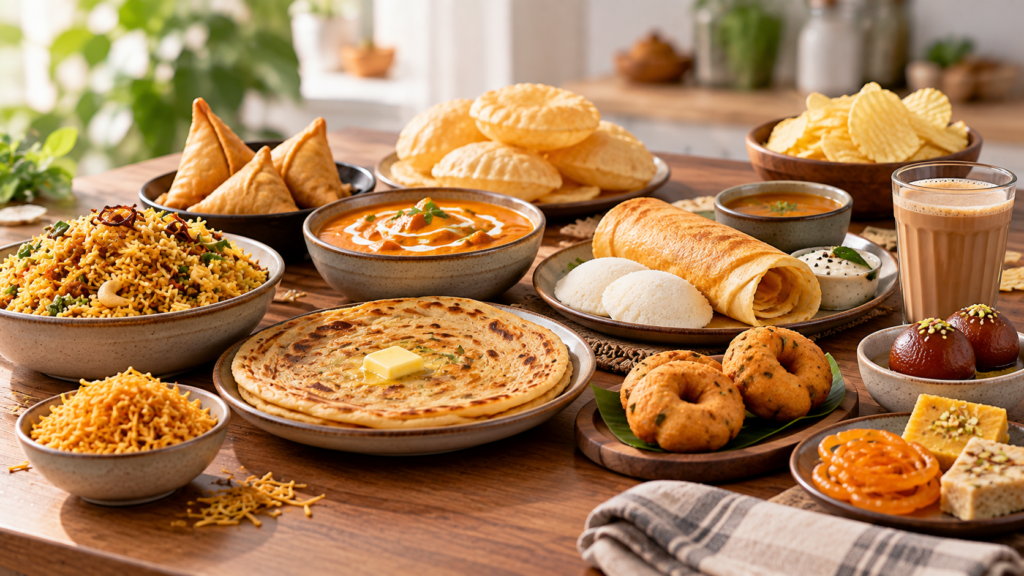
A PCOS-friendly eating pattern does not require expensive ingredients or unfamiliar recipes. Everyday Indian meals can be planned to include a variety of food groups.
Meal | Example |
Breakfast | Idli with sambar or vegetable dosa with sambar |
Mid-morning | A whole fruit such as guava or orange |
Lunch | Rice or chapati, dal, vegetables and curd |
Evening snack | Roasted chana, nuts or unsweetened curd |
Dinner | Chapati with vegetable curry and dal, or a meal with eggs, fish or paneer |
These are general meal examples, not a prescribed diet chart. Portion sizes and food choices should reflect individual requirements, preferences, medical history and daily routine.
The ICMR-National Institute of Nutrition’s Dietary Guidelines for Indians 2024 recommend dietary variety and include vegetables, fruits, whole grains, pulses, nuts and other food groups as part of a balanced eating pattern.
Foods You Do Not Automatically Need to Avoid With PCOS
Online advice can make PCOS nutrition sound like a long list of restrictions. You may see claims that everyone with PCOS must stop eating rice, wheat, dairy, fruit or all carbohydrates.
These are not universal requirements in the international PCOS guideline. Unless you have an allergy, intolerance, medical indication or another individual reason to avoid a food, removing an entire food group may make your diet unnecessarily restrictive.
It is more useful to review your overall eating habits:
- Do your regular meals include vegetables and protein?
- Are you eating a variety of foods?
- How often do packaged snacks and sugary drinks feature in your routine?
- Are your meals satisfying?
- Can you make dietary changes that fit your household meals and work schedule?
The aim is to improve your overall eating pattern without creating unnecessary fear around individual foods.
Is Intermittent Fasting or a Low-Carbohydrate Diet Necessary for PCOS?
No particular eating schedule or diet type is compulsory for everyone with PCOS.
Some people may find a particular meal schedule or carbohydrate distribution convenient. That does not mean it is the most suitable approach for every person. The international guideline does not identify one diet composition as superior for PCOS outcomes.
Before starting intermittent fasting, a very low-carbohydrate diet or another restrictive eating plan, consider your health history, nutritional needs and ability to maintain the routine.
If you are pregnant, breastfeeding, have a history of disordered eating, take medicines that can affect blood glucose or have another medical condition, seek appropriate professional advice before making significant dietary changes.
Common PCOS Diet Mistakes to Avoid
Nutrition advice for PCOS can become confusing when social media recommendations conflict with medical guidance. These are some habits worth reconsidering.
Treating weight loss as the only measure of progress: Your health goals may include other areas of nutrition and well-being. Discuss suitable outcomes with your healthcare team.
Removing carbohydrates completely: Foods containing carbohydrates can be part of a balanced diet. Consider suitable portions and a variety of sources.
Following someone else’s diet chart: A plan made for another person’s routine, medical history and food preferences may not suit your needs.
Skipping meals to compensate for eating: Restrictive habits can make a balanced routine harder to maintain. Focus on regular meals that meet your requirements.
Expecting food to cure PCOS: Nutrition can support overall health, but it does not replace medical assessment or treatment.
Taking supplements based on online claims: Supplements are not automatically necessary or suitable for everyone. Discuss them with a qualified healthcare professional, especially if you take medication or have another health condition.
When Can a PCOS Dietitian Help?
A qualified dietitian may be useful if you are unsure how to plan balanced meals, need support with sustainable weight management or want to adapt your eating habits to your daily routine.
A nutrition consultation may help you:
- Review your current food habits and meal pattern.
- Find practical ways to improve meal balance.
- Adapt familiar Indian foods to your nutritional needs.
- Set realistic goals that do not depend only on weight.
- Plan meals around work, family and activity schedules.
- Review your eating habits and make adjustments when needed.
If you are looking for a PCOS dietitian in Mysore, check the professional’s education, relevant training and experience with your concerns.
A suitable nutrition professional should explain the reasons behind dietary recommendations. They should also recognise when you need medical advice and coordinate with your healthcare team where appropriate.
Personalised PCOS Nutrition Guidance With Nourish With Relma
PCOS nutrition advice needs to account for the individual. Your food preferences, daily schedule, health background and personal goals all affect which dietary changes are practical.
Nourish With Relma lists PCOS/PCOD nutrition and personalised nutrition among its areas of focus. Its website describes an online consultation process involving appointment booking, an assessment form, a one-to-one video call and a personalised diet plan.
If you would like to explore nutrition guidance for your requirements, visit the Nourish With Relma website to review the available services and consultation information.
Nutrition support is one part of PCOS care. Continue to consult your gynaecologist or another appropriate healthcare professional for diagnosis, medical assessment and treatment decisions.
Final Thoughts
A PCOS-focused eating plan should reflect your health requirements and personal goals. Weight management may be appropriate for some women, while others may want to focus on balanced meals and other health priorities without trying to lose weight.
There is no single diet that suits everyone with PCOS. Start with familiar, balanced meals and seek qualified guidance if you need help making dietary changes that fit your circumstances.
Frequently Asked Questions
1. Is a PCOS diet different from a normal weight-loss diet?
A PCOS-focused nutrition plan considers overall health, food preferences, metabolic health and individual goals. A general weight-loss diet usually focuses mainly on reducing body weight. Weight management can be part of PCOS nutrition, but it is not the only possible goal.
2. Does every woman with PCOS need to lose weight?
No. Not everyone with PCOS needs to lose weight. Nutrition and lifestyle goals should reflect individual health needs. Healthy lifestyle changes can provide benefits even when weight loss is not a goal.
3. Which foods are good to include in a PCOS diet?
A balanced eating pattern can include vegetables, whole fruits, pulses, beans, whole grains, suitable protein sources, nuts and seeds. The appropriate choices and portions depend on individual requirements and preferences.
4. Should I stop eating rice or wheat if I have PCOS?
Not automatically. Rice and wheat can be included in a balanced diet. Consider portion sizes and how these foods fit into the overall meal instead of eliminating staple foods without a medical or individual reason.
5. Is intermittent fasting recommended for everyone with PCOS?
No. Intermittent fasting is not compulsory for PCOS management. Its suitability depends on health history, nutritional needs, medication and personal circumstances. Seek professional advice before starting a restrictive eating pattern.
6. Can a dietitian help with PCOS-related weight management?
A qualified dietitian can review your eating habits, help plan balanced meals and develop realistic nutrition goals. If weight management is appropriate and desired, the plan should be individualised and sustainable.
7. How do I choose a PCOS dietitian in Mysore?
Check the professional’s recognised education in nutrition and dietetics, relevant experience, consultation process and approach to individual needs. Choose someone who avoids extreme food restrictions and understands that nutrition support should complement medical care.
8. Can nutrition alone cure PCOS?
No. Nutrition can support overall health and form part of PCOS management, but it is not a cure. PCOS care may also involve medical assessment, treatment and follow-up with an appropriate healthcare professional.