Menstrual cycles can become irregular for several reasons, including normal hormonal changes, pregnancy, stress, changes in weight or exercise, hormonal contraception and medical conditions such as polycystic ovary syndrome (PCOS) or thyroid disorders. An irregular period is not a diagnosis by itself. The reason depends on your age, usual cycle pattern, symptoms, health history and other circumstances.
If your periods have changed, tracking the pattern can help you explain what is happening to a healthcare professional. Persistent changes, missed periods or unusual bleeding should not automatically be attributed to stress or diet. (NHS; NICHD)
What is an irregular menstrual cycle?
A menstrual cycle is counted from the first day of one period to the first day of the next. Cycle length varies between individuals, and it can also change at different stages of life.For many adults, cycles that occur roughly every 21 to 35 days fall within the usual range. Teenagers may have a wider range, particularly during the first years after periods begin. The length of bleeding can also vary. A change from your usual pattern may be worth discussing with a healthcare professional, even if you are not sure whether it meets a particular definition of irregularity. (ACOG; NHS)
Irregularity can mean different things, including:
- Periods arriving earlier or later than expected.
- A cycle length that varies considerably from month to month.
- Periods that are unusually light or heavy for you.
- Bleeding or spotting between periods.
- Missing periods or having no period for a prolonged time.
A cycle that varies occasionally does not necessarily mean something is wrong. However, a persistent change or a new pattern of bleeding deserves attention.

Common factors that can make periods irregular
Puberty and the years after the first period
Menstrual cycles may be irregular during the first few years after periods begin because the hormonal processes involved in ovulation are still developing. Even so, very heavy bleeding, prolonged gaps between periods or other concerning symptoms should be discussed with a healthcare professional rather than automatically considered part of puberty. (ACOG)
Pregnancy and breastfeeding
Pregnancy is an important possible reason for a missed period. If pregnancy is possible, consider taking a pregnancy test and seek medical advice if you are unsure what to do next.
Periods may also change after childbirth and during breastfeeding. The timing of their return varies between individuals. Do not assume that a missed period is caused by breastfeeding if pregnancy is possible or you have other symptoms that concern you. (NHS; MedlinePlus)
Perimenopause
Perimenopause is the transition leading up to menopause. During this stage, hormonal changes can make periods less predictable. Bleeding may become lighter or heavier, and cycles may become shorter, longer or occasionally skipped.
Although changes can occur during this transition, new or unusual bleeding should still be discussed with a healthcare professional, particularly if it is heavy, persistent or occurs after menopause. (NHS; ACOG)
Hormonal contraception
Some hormonal contraceptives can change bleeding patterns. Depending on the method, a person may have spotting, lighter bleeding, less frequent bleeding or no monthly bleeding.
If your cycle changes after starting, stopping or changing contraception, ask your healthcare professional what patterns are expected with your specific method. Do not stop prescribed contraception without considering pregnancy prevention and discussing your options where needed. (NHS)
Stress and changes in routine
Stress and major changes in everyday life can affect the hormonal processes involved in menstruation. A demanding schedule, emotional strain, illness or disrupted routines may coincide with a change in cycle timing.
However, stress is only one possible factor. If irregularity continues, periods stop, or you have other symptoms, seek medical advice rather than assuming stress is the sole cause. (NHS; NICHD)
Weight changes and low energy availability
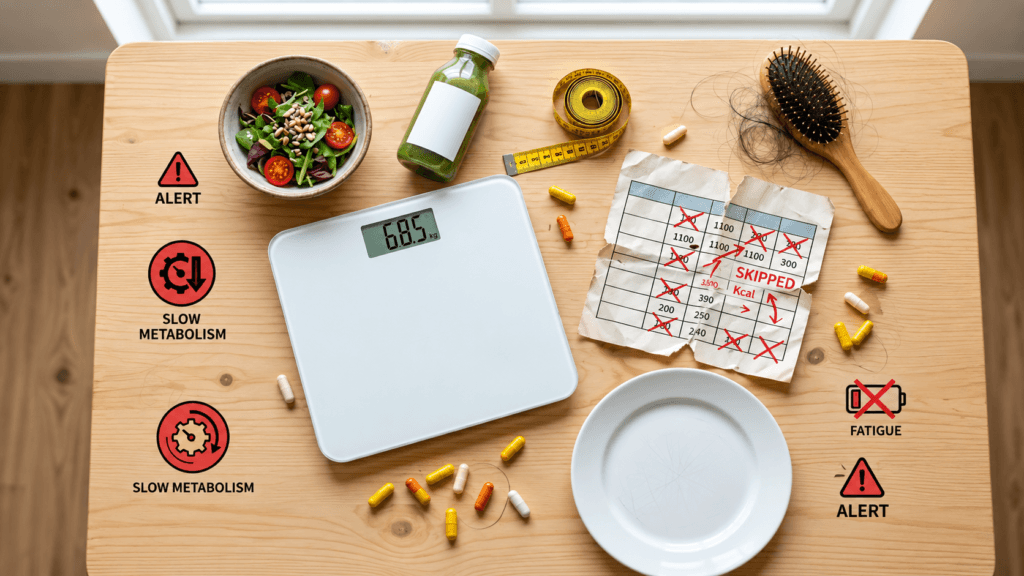
Significant weight loss, weight gain or not consuming enough energy to meet your body’s needs can affect menstrual function. Restrictive eating and inadequate recovery from exercise may also be relevant.
Avoid responding to irregular periods with extreme dieting or unsupervised supplements. If your cycle changes alongside substantial weight change, restrictive eating, weakness or other symptoms, discuss it with a healthcare professional. (NHS; ACOG)
Intense exercise
High levels of exercise—especially when combined with insufficient food intake or inadequate recovery—may contribute to missed or irregular periods in some people.
Exercise itself is not automatically a problem. The relationship between activity, nutrition, recovery and menstrual health is individual. If periods become infrequent or stop while your training changes, seek professional advice to assess possible causes. (NICHD; ACOG)
Could irregular periods be linked to a medical condition?
Yes. Several medical conditions can affect menstrual timing or bleeding. A healthcare professional can assess your symptoms and decide whether tests or further evaluation are needed.
Polycystic ovary syndrome (PCOS)
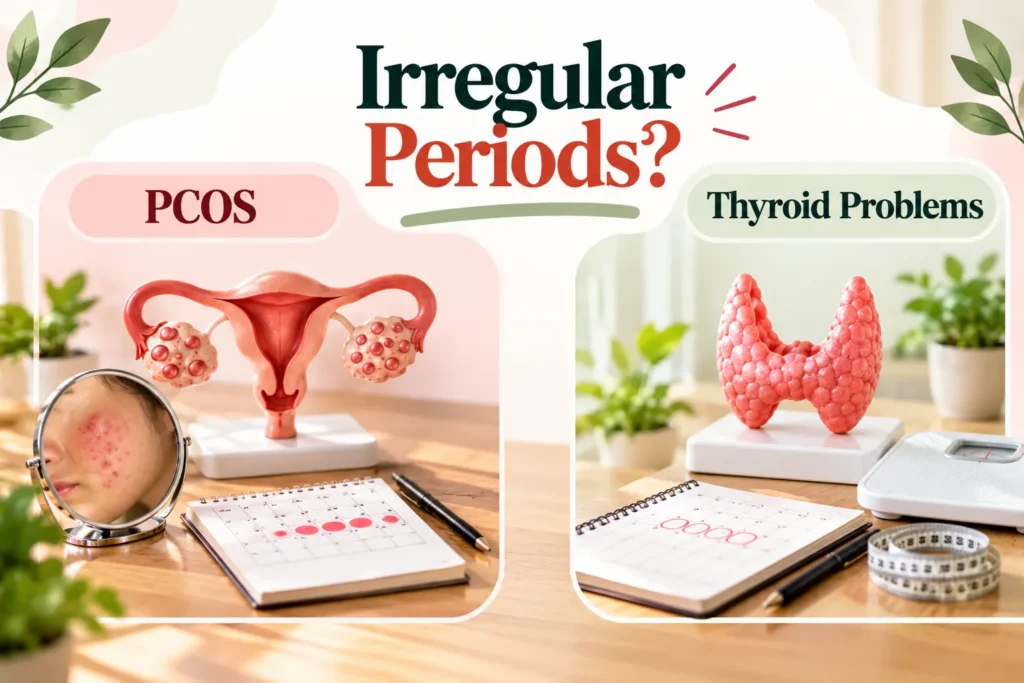
PCOS can affect ovulation and may cause periods to be infrequent, irregular or absent. Some people with PCOS also experience acne, increased facial or body hair, or changes in weight, but symptoms vary.
These features do not confirm PCOS on their own. A clinician must assess the overall pattern and consider other possible explanations before making a diagnosis. (NHS; ACOG)
Thyroid conditions
The thyroid gland produces hormones that affect many body functions. Both an underactive thyroid and an overactive thyroid can be associated with menstrual changes.
If irregular periods occur alongside symptoms such as persistent tiredness, unusual temperature sensitivity, changes in weight or a racing heartbeat, tell your healthcare professional. These symptoms can have many causes, so testing may be needed to determine whether the thyroid is involved. (NICHD; NHS)
Other possible causes
Other factors may include elevated prolactin, primary ovarian insufficiency, uncontrolled diabetes, certain medicines, infections, problems with ovulation, uterine fibroids or polyps, and bleeding disorders. Which causes are relevant depends on the person’s symptoms and medical history. (NICHD; ACOG)
How are irregular periods assessed?
A healthcare professional may ask about:
- The date your last period began and how your cycles have changed.
- How long bleeding lasts and whether it is light, moderate or heavy.
- Whether you have bleeding between periods or after sex.
- Pregnancy possibility, contraception and breastfeeding.
- Recent changes in weight, exercise, stress, eating patterns or medicines.
- Other symptoms, medical conditions and relevant family history.
Depending on your circumstances, assessment may include a pregnancy test, blood tests, a physical examination or an ultrasound. Not everyone needs every test; the appropriate evaluation depends on the individual. (ACOG; ACOG)
What can you do if your periods have become irregular?
Track your cycle
Record the first day of each period, how long bleeding lasts, and whether you notice spotting or changes in flow. You can use a calendar, diary or tracking app. Include relevant symptoms and changes in medicines, exercise or routine if you find that useful.
Tracking does not identify the cause by itself, but it can help you describe the pattern during an appointment. (NHS)
Avoid self-diagnosis
Irregular periods can have several explanations. Do not assume that you have PCOS, a thyroid condition or a nutritional deficiency based on a symptom checklist alone. A healthcare professional can assess whether testing is appropriate.
Be cautious with supplements and restrictive diets
Do not start high-dose vitamins, herbs, hormone products or “cycle-balancing” supplements without checking whether they are suitable for you. Avoid extreme dietary restriction, particularly if your periods have changed alongside weight loss or intense exercise.
Seek care based on your symptoms
If a change is persistent, unusual for you or accompanied by concerning symptoms, arrange a medical assessment. The right response depends on the cause, and treatment is not the same for every person.
Menstrual health and nutrition guidance from Nourish With Relma
Nutrition is one part of overall health, but irregular periods can have medical, hormonal and life-stage causes. Food or supplements should not be presented as a guaranteed way to make cycles regular or as a substitute for medical assessment.
If you are considering nutrition guidance from Nourish With Relma in Mysore, review the business’s current service information and contact the team to confirm whether its available support is suitable for your needs.
Before booking, ask about the consultation format, the professional’s qualifications, fees and follow-up arrangements. If you have missed periods, unusual bleeding, significant pain or other concerning symptoms, seek medical advice from an appropriate healthcare professional.
Visit the official website for current information: Nourish With Relma.
The role of sleep in menstrual health
Sleep is an important part of overall wellbeing. Irregular sleep schedules, night shifts or ongoing sleep difficulties may occur alongside changes in stress, activity and daily routines, which can also affect menstrual patterns. Maintaining a consistent sleep routine where possible may support general health, but better sleep alone should not be assumed to resolve irregular periods. If your cycle remains unpredictable, consider discussing it with a healthcare professional.
Why keeping a symptom diary can be helpful
Along with recording period dates, you may find it useful to note symptoms such as cramps, changes in bleeding, acne, headaches or unusual tiredness. You can also record relevant changes in medication, exercise or daily routine. This information may help you describe what has changed and when it began during a medical appointment. A diary cannot establish a diagnosis, but it can make it easier to discuss your concerns.
Irregular periods and planning for pregnancy
If you are trying to become pregnant, irregular cycles can make it more difficult to estimate when ovulation may occur. Irregular periods do not automatically mean that pregnancy is impossible, but they can sometimes be associated with changes in ovulation that may need assessment. Consider speaking with a healthcare professional about your cycle pattern and any concerns about fertility. If pregnancy is possible and your period is late, a pregnancy test may help clarify the next step.
Avoid comparing your cycle with someone else’s
Menstrual patterns differ from person to person, so comparing your cycle with a friend’s or a family member’s may not tell you whether your own pattern is healthy. What matters includes your age, usual cycle length, bleeding pattern, symptoms and whether there has been a noticeable change. Rather than relying on comparison or online checklists, seek individualized advice if your periods become persistently irregular or you notice symptoms that concern you.
Can medicines affect your menstrual cycle?
Some medicines may influence menstrual timing or bleeding patterns. Hormonal treatments and certain other medications can affect the body in different ways, depending on the medicine and the individual. If you notice a change after starting, stopping or changing a medication, discuss it with your healthcare professional. Do not stop a prescribed medicine on your own, as doing so may affect your health or treatment plan.
Does age influence menstrual regularity?
Menstrual patterns can change throughout life. Cycles may take time to become predictable after the first period, while hormonal changes during perimenopause can make them less regular later on. However, age should not be used to dismiss symptoms such as unusually heavy bleeding, prolonged gaps between periods or bleeding after menopause. A healthcare professional can help determine whether a change is expected or needs further assessment.

Why is it important to understand the underlying cause?
Irregular periods are a symptom rather than a condition with one universal explanation. The appropriate next step depends on factors such as your cycle history, age, symptoms, medications and whether pregnancy is possible. Identifying the reason can help guide suitable care and prevent you from relying on unnecessary supplements or restrictive eating plans. If your periods have changed persistently or you are concerned about your symptoms, seek individualized medical advice.
Thyroid health and nutrition guidance from Nourish With Relma
If you are looking for nutrition guidance in Mysore and are considering Nourish With Relma, review the business’s current service information and contact the team to confirm whether its available support is suitable for your needs.
Before booking, ask about the consultation format, the professional’s qualifications, fees, follow-up arrangements and whether the service can accommodate your dietary requirements. If you have a thyroid diagnosis, continue to follow the advice of the healthcare professional responsible for your medical care.
Visit the official website for current information: Nourish With Relma.
FAQS
Is it normal for periods to be irregular sometimes?
Cycle timing can vary, and irregularity is common at certain stages, including the first years after periods begin and the transition toward menopause. A persistent change, very heavy bleeding or other concerning symptoms should be discussed with a healthcare professional.
Can stress make periods irregular?
Stress may affect the hormonal processes involved in menstruation. However, it is not the only possible cause. If changes persist or your periods stop, seek medical advice.
Can PCOS cause irregular periods?
Yes. PCOS can affect ovulation and may lead to infrequent, irregular or absent periods. Symptoms alone are not enough to diagnose PCOS; a clinician should assess the overall picture.
Can thyroid problems affect menstrual cycles?
Yes. Both underactive and overactive thyroid conditions can be associated with menstrual changes. A healthcare professional can determine whether thyroid testing is appropriate.
Can weight loss or exercise affect periods?
Significant weight changes, inadequate energy intake and intense exercise may affect menstrual function in some people. If your periods change alongside these factors, seek professional advice rather than starting a restrictive diet.
When should I see a doctor for irregular periods?
Arrange an appointment if your cycle changes persist, periods stop for several months without an understood reason, bleeding is unusually heavy or prolonged, you bleed between periods, or you have other symptoms that concern you.
Can nutrition make periods regular again?
Nutrition can support general health, but it cannot be assumed to correct irregular periods. The appropriate approach depends on the cause. Medical assessment may be needed, and nutrition guidance should complement—not replace—clinical care.
Can Nourish With Relma help with menstrual-health nutrition?
Contact Nourish With Relma to confirm its current services, professional qualifications and whether it can accommodate your needs. Do not rely on nutrition support as a substitute for medical evaluation of persistent or concerning menstrual changes.