Dietitian for Cholesterol in Mysore: What Can Nutrition Change? Getting a high cholesterol result often leads to a practical question: What should I change in my diet?
There is rarely one food that explains an abnormal cholesterol result, and removing a single ingredient may not address the wider dietary pattern. The types of fat and fibre in your diet can influence cholesterol levels, while physical activity, body weight, smoking, other health conditions and genetics can also affect cardiovascular risk.
If you are looking for a dietitian for cholesterol in Mysore, nutrition counselling can help you examine the meals you already eat and identify changes that are realistic for your routine, food preferences and health needs.
For some people, lifestyle changes can improve cholesterol levels. Others may need medication and ongoing medical follow-up. Nutrition support should be considered as part of the wider approach to cholesterol management.
What Does Cholesterol Mean?
Cholesterol is a waxy substance that circulates through the blood in particles called lipoproteins.
A lipid profile or lipid panel commonly measures cholesterol and triglyceride levels.
The terms you may hear include:
LDL Cholesterol
LDL is often called “bad” cholesterol. Higher LDL levels can contribute to plaque buildup in the arteries and are associated with increased cardiovascular risk.
HDL Cholesterol
HDL is often called “good” cholesterol because it helps transport cholesterol towards the liver.
Triglycerides
Triglycerides are a type of fat in the blood that the body can use for energy.
These numbers should be interpreted in the context of your overall health and cardiovascular risk rather than considered separately.
That is why a nutrition consultation should begin with your individual situation rather than a generic list of “good” and “bad” foods.
Can Your Diet Affect Cholesterol?
Yes. Diet can influence cholesterol, although the effect varies between individuals.
One important consideration is the amount and type of fat in the diet.
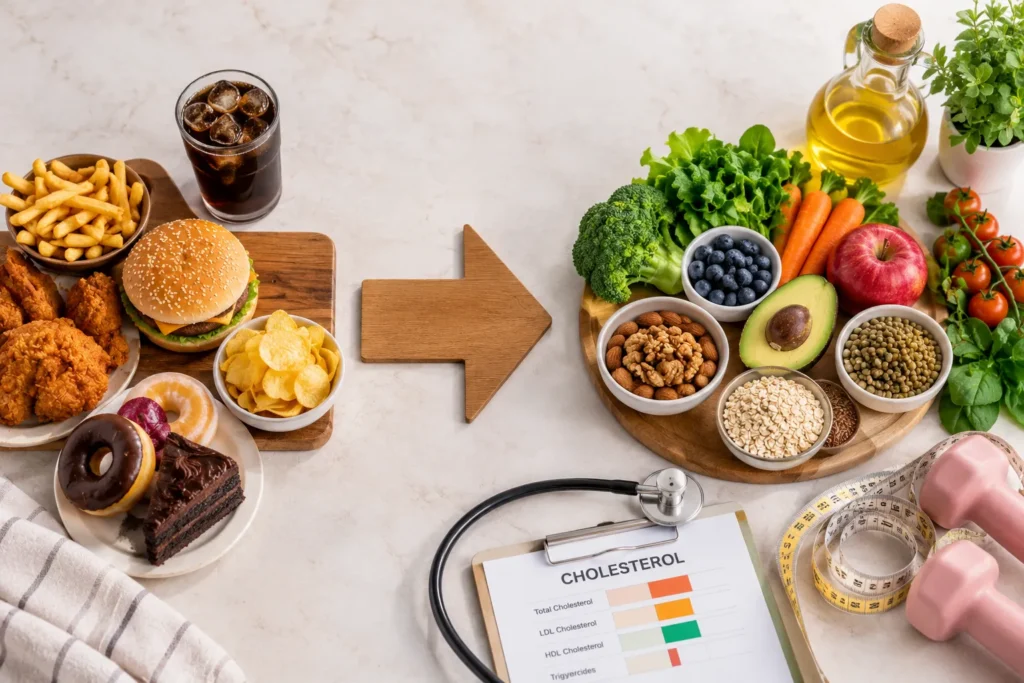
The American Heart Association recommends reducing saturated and trans fats as part of dietary approaches to managing high cholesterol. Replacing saturated fats with healthier unsaturated fats can help improve the overall dietary pattern.
WHO also recommends prioritising unsaturated fats over saturated and trans fats within a healthy diet.
Fat is only one part of the picture, however. Fibre intake, food choices, carbohydrate quality, portions, physical activity and the overall pattern of eating can also be relevant.
What Can Nutrition Change?
A cholesterol-conscious nutrition plan can focus on several practical aspects of your existing diet.
The Type of Fat You Eat
Rather than simply trying to eat as little fat as possible, it is useful to consider which fats make up your diet. Sources of unsaturated fats include:
- Nuts
- Seeds
- Fish
- Avocado
- Suitable plant-based oils
Foods that can contain higher amounts of saturated fat include butter, ghee, cream, fatty meats and some full-fat dairy products. Industrial trans fats are found in some processed and fried foods and should be avoided where possible. For many people, the practical change is to replace foods high in saturated fat with sources of unsaturated fat rather than eliminating dietary fat altogether.
Increasing Fibre-Rich Foods
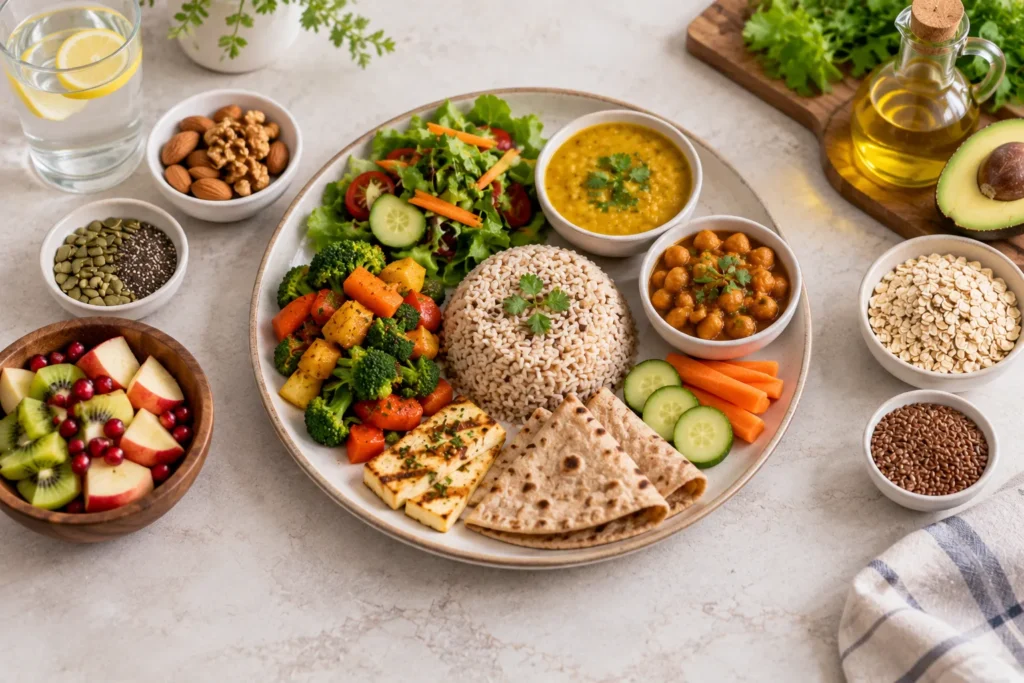
Fibre is another important part of a cholesterol-conscious eating pattern. Useful sources include:
- Oats
- Barley
- Beans
- Lentils
- Other pulses
- Fruits
- Vegetables
- Whole grains
Soluble fibre is particularly relevant to LDL cholesterol. The NHLBI Therapeutic Lifestyle Changes programme includes increasing soluble fibre as one part of its dietary approach. For an Indian diet, increasing fibre does not require replacing familiar meals with specialised “diet foods.” Dal, beans, vegetables, fruits and whole grains can all contribute to daily fibre intake.
Choosing More Whole and Minimally Processed Foods
A cholesterol-conscious eating pattern can include a variety of:
- Vegetables
- Fruits
- Pulses
- Whole grains
- Nuts and seeds
- Suitable protein sources
WHO recommends dietary patterns that include vegetables, fruits, legumes, nuts and whole grains while limiting unhealthy fats and highly processed foods. The overall pattern therefore matters more than searching for one food that is supposed to “lower cholesterol.”
Foods to Include More Often
Whole Grains
Depending on your existing diet, suitable options may include:
- Oats
- Barley
- Whole-wheat foods
- Millets
- Brown rice
- Other minimally processed whole grains
The right choices depend on your overall eating pattern and health goals.
Pulses and Legumes
Dal, chickpeas, beans and other pulses provide fibre and can also contribute protein. They can be included in familiar Indian meals without requiring a completely different style of cooking.

Fruits and Vegetables
Fruits and vegetables provide fibre, vitamins, minerals and other nutrients. Instead of concentrating on one particular fruit or vegetable, including different varieties across meals can provide greater dietary variety.
Nuts and Seeds
Nuts and seeds provide unsaturated fats and other nutrients. They are also energy-dense, so portions remain relevant, especially when weight management is part of your health plan.
Healthier Cooking Fats
A dietitian can review the fats you currently use for cooking and identify substitutions that may fit your usual meals. This is more practical than simply being told to “avoid oil” without considering how your food is prepared.
Saturated Fat and Trans Fat: Why Do They Matter?
Not all dietary fats have the same effect. Saturated fats are present in foods such as butter, ghee, fatty meats, cream and some full-fat dairy products. A high intake can contribute to increased LDL cholesterol.
Industrial trans fats can occur in some processed, baked and fried foods. WHO recommends avoiding industrially produced trans fats as part of a healthy diet.
This does not mean that one serving of a particular food determines your cholesterol level. The overall dietary pattern is more relevant.
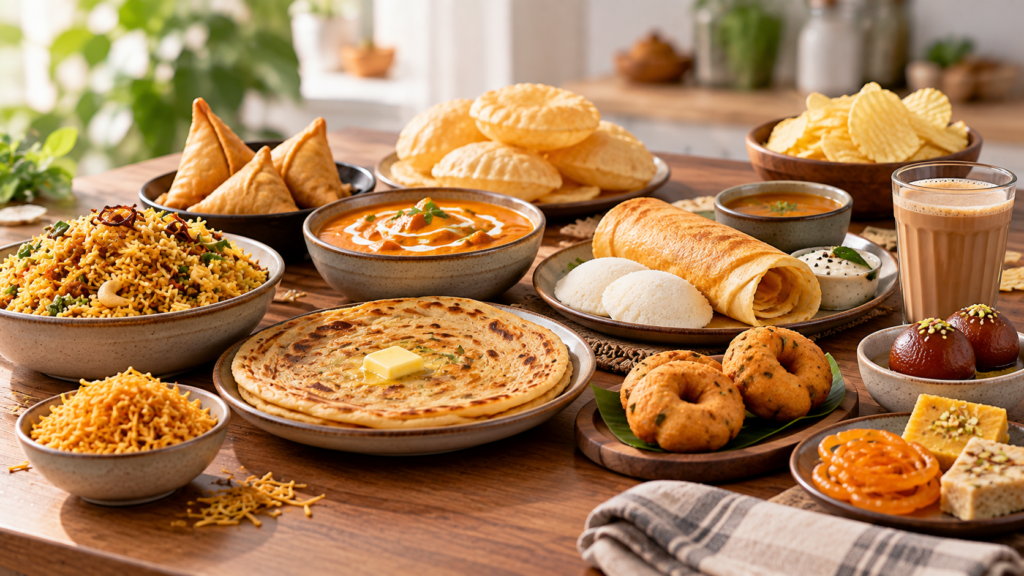
For example, a nutrition consultation may look at how often you eat fried snacks, bakery foods, rich gravies, high-fat dairy products or foods prepared with large amounts of ghee or butter. From there, practical substitutions can be considered.
Is Fibre Helpful for Cholesterol Management?
Yes, fibre can be an important part of a cholesterol-conscious diet. Soluble fibre is particularly relevant because it can reduce the absorption of cholesterol and fats in the digestive tract. The NHLBI Therapeutic Lifestyle Changes programme includes increasing soluble fibre as part of its approach to lowering LDL cholesterol. Sources include:
- Oats
- Barley
- Beans
- Lentils
- Fruits
- Some vegetables
If your current diet is low in fibre, increasing it gradually may be easier to tolerate than making a sudden large change. Adequate fluids and a balanced diet also remain important.
Does Weight Management Affect Cholesterol?
Weight management can be part of cholesterol management for people who have excess weight and would benefit from weight loss.
The NHLBI Therapeutic Lifestyle Changes programme considers dietary changes, physical activity and weight management together.
However, this does not mean that everyone with high cholesterol needs to lose weight.
The appropriate health goal depends on the individual. When weight management is relevant, a dietitian can help make dietary changes practical without relying on extreme calorie restriction.
What About Exercise?
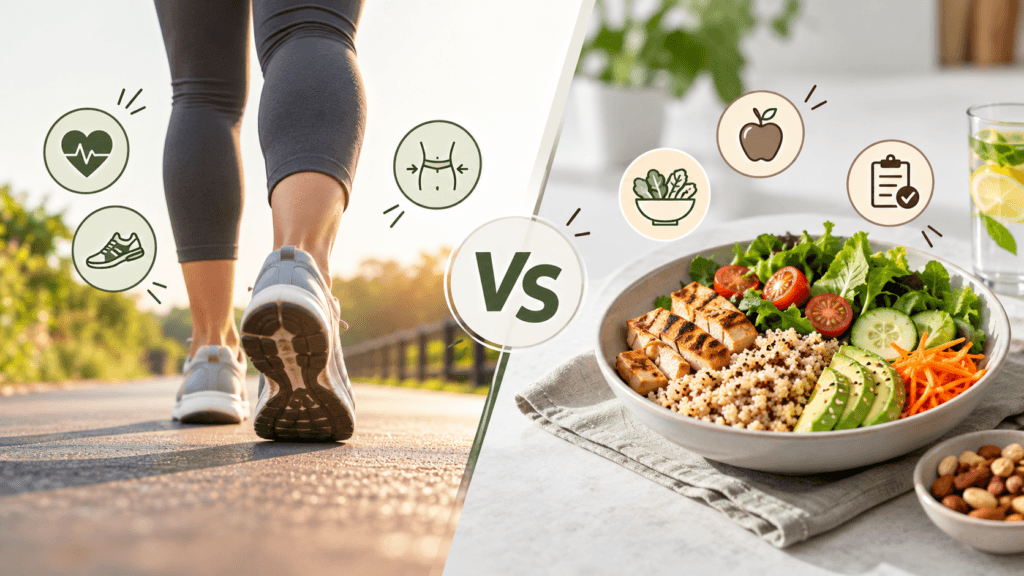
Nutrition is only one part of cholesterol management.
Regular physical activity can complement dietary changes. The American Heart Association notes that physical activity can help lower LDL cholesterol and triglycerides while supporting HDL cholesterol.
The type and amount of activity appropriate for you depends on factors such as age, health status, fitness level and medical limitations.
If you have a medical condition or have been advised to restrict physical activity, discuss exercise with your healthcare professional before making major changes.
Why Can a Personalised Cholesterol Diet Plan Be Useful?
A generic cholesterol diet chart may tell you what foods to avoid, but it may not show you how to change the meals you actually prepare and eat. A personalised nutrition plan can consider:
- Your recent lipid profile
- Usual breakfast, lunch and dinner
- Cooking methods
- Cooking oils and other fat sources
- Frequency of fried foods
- Fruit and vegetable intake
- Fibre intake
- Protein sources
- Vegetarian or non-vegetarian preferences
- Work schedule
- Eating outside the home
- Weight-management goals where relevant
- Other health conditions
- Current medications
- Food preferences and cultural habits
For example, “eat healthy” is very different from identifying how your regular breakfast, lunch, snacks or dinner could be modified. The useful question is often: What changes can you realistically make and continue?
Can Diet Replace Cholesterol Medication?
Not always. Some people can improve their cholesterol through lifestyle changes. Others may require medication because of their cholesterol levels, cardiovascular risk, family history or other medical factors.
The American Heart Association notes that lifestyle changes alone may not lower cholesterol sufficiently for some people, and cholesterol-lowering medication may be needed.
If you have already been prescribed cholesterol medication, do not stop or change it because you have changed your diet.
Discuss your cholesterol results and any concerns about medication with your healthcare professional.
A dietitian can provide nutrition support while your doctor manages medical treatment and monitoring.
When Should You See a Doctor?
A dietitian can help with nutrition, but high cholesterol also needs appropriate medical assessment. Speak with your doctor if:
- You have been told that your cholesterol is high.
- Your LDL or triglycerides are significantly elevated.
- You have diabetes, high blood pressure or another cardiovascular risk factor.
- You have a strong family history of early heart disease or high cholesterol.
- You have been prescribed cholesterol medication.
- You have questions about whether medication is necessary.
- You have known cardiovascular disease or have experienced a cardiovascular event.
Some people have inherited forms of high cholesterol, and dietary changes alone may not be sufficient in these situations. Regular cholesterol testing and discussion with your healthcare team are important when managing abnormal lipid levels.
What Happens During a Cholesterol Nutrition Consultation?
A nutrition consultation can begin by looking at your current situation rather than immediately giving you a food chart. Depending on your needs, you may discuss:
- Your usual eating pattern
- Recent blood-test results
- Cooking methods
- Use of ghee, butter and cooking oils
- Fried and packaged food intake
- Fibre-rich foods in your diet
- Meal timing and portions
- Physical activity
- Weight-management goals, if relevant
- Other health conditions
- Current medications and supplements
- Food preferences
The dietitian can then identify areas where dietary changes may be appropriate. The objective is to create an eating pattern that fits your routine rather than a short-term restrictive diet.
What Should You Look for in a Dietitian for Cholesterol in Mysore?
When choosing a nutrition professional, consider whether the consultation:
- Takes your health history into account
- Reviews your existing food habits
- Explains the reason behind dietary recommendations
- Considers saturated and unsaturated fats
- Includes appropriate fibre sources
- Takes other health goals into consideration
- Recognises the limits of nutrition counselling
- Encourages appropriate medical follow-up
- Avoids claiming that diet alone can “cure” high cholesterol
- Focuses on changes you can realistically maintain
For cholesterol management, practical and appropriate guidance is more useful than a long list of foods to avoid.
Nutrition Support at Nourish With Relma
The supplied business information presents Nourish With Relma as a clinical dietitian and weight-loss nutrition service in Mysuru providing professional nutrition and dietary guidance.
For someone searching for a dietitian for cholesterol in Mysore, a personalised nutrition consultation can focus on current eating habits and practical dietary changes that may support cholesterol management.
Nourish With Relma
Address : 3rd Floor, Shoumik’s Shetty Mansion, 837, General Thimmaiah Rd, near Aishwarya Petrol Bunk, Vijayanagar 1st Stage, Vijayanagar, Mysuru, Karnataka 570016
Phone: 70197 64856
If you have recent lipid results or other relevant reports, keeping them available for your consultation may be useful. It can also help to note your usual meals, cooking methods and the types of fats you commonly use.
Frequently Asked Questions
1. Can a dietitian help with high cholesterol?
Yes. A dietitian can provide nutrition guidance around dietary patterns, saturated and trans fats, fibre, healthier fat sources, portions and practical meal planning.
Nutrition counselling does not replace medical assessment or cholesterol medication when these are required.
2. What does a cholesterol dietitian do?
A cholesterol-focused dietitian can review your usual eating pattern and identify realistic changes that may support healthier cholesterol levels. This may include increasing fibre, changing sources of dietary fat and improving the balance of meals.
3. What foods should I eat if I have high cholesterol?
A balanced eating pattern can include vegetables, fruits, pulses, whole grains, nuts, seeds and suitable protein sources.
Foods containing unsaturated fats can be used in place of foods that are higher in saturated fats.
4. Should I completely stop eating ghee if I have high cholesterol?
Not necessarily. Ghee is a source of saturated fat, so the amount and frequency matter.
A dietitian can review your complete dietary pattern and help determine practical ways to manage saturated-fat intake instead of applying an isolated food rule.
5. Is fibre good for cholesterol?
Fibre can be useful, particularly soluble fibre. Oats, barley, beans, lentils and some fruits provide soluble fibre.
The NHLBI includes increasing soluble fibre as part of its Therapeutic Lifestyle Changes approach to lowering LDL cholesterol.
6. Can diet alone lower cholesterol?
Dietary changes can improve cholesterol for some people, but the response varies.
Some people may also need medication or other medical interventions. Lifestyle changes alone may not be sufficient for everyone.
7. Can I stop my cholesterol medicine after changing my diet?
No. Do not stop or change prescribed cholesterol medication without discussing it with your doctor.
Dietary changes can complement medical treatment, but the need for medication depends on your individual health and cardiovascular risk.
8. Can weight loss improve cholesterol?
Weight management can be part of a broader lifestyle approach for people who would benefit from it.
The appropriate goal depends on the person’s health and circumstances. Dietary changes and physical activity can be considered alongside weight management where appropriate.
9. What should I bring to a cholesterol nutrition consultation?
If available, bring recent lipid-test results, information about your medications and supplements, and details of your usual meals.
It can also be useful to note how often you eat fried or packaged foods and which cooking fats you commonly use.
10. Where can I consult a dietitian for cholesterol in Mysore?
Nourish With Relma provides professional nutrition and dietary guidance in Mysuru.
The supplied business address is 3rd Floor, Shoumik’s Shetty Mansion, 837, General Thimmaiah Rd, near Aishwarya Petrol Bunk, Vijayanagar 1st Stage, Vijayanagar, Mysuru, Karnataka 570016. The listed phone number is 70197 64856.