For many Indians, weight loss starts with urgency. A wedding is approaching. A festival is coming. A health check-up report looks worrying. Someone sees an actor’s dramatic transformation online or watches a reel promising “Lose 10 kilos in 10 days naturally.”
The solution often becomes a crash diet. For a few days, the results feel exciting. The weighing scale drops quickly. The stomach looks flatter. Friends notice the change. Motivation becomes high. But after a few weeks, things start going wrong.
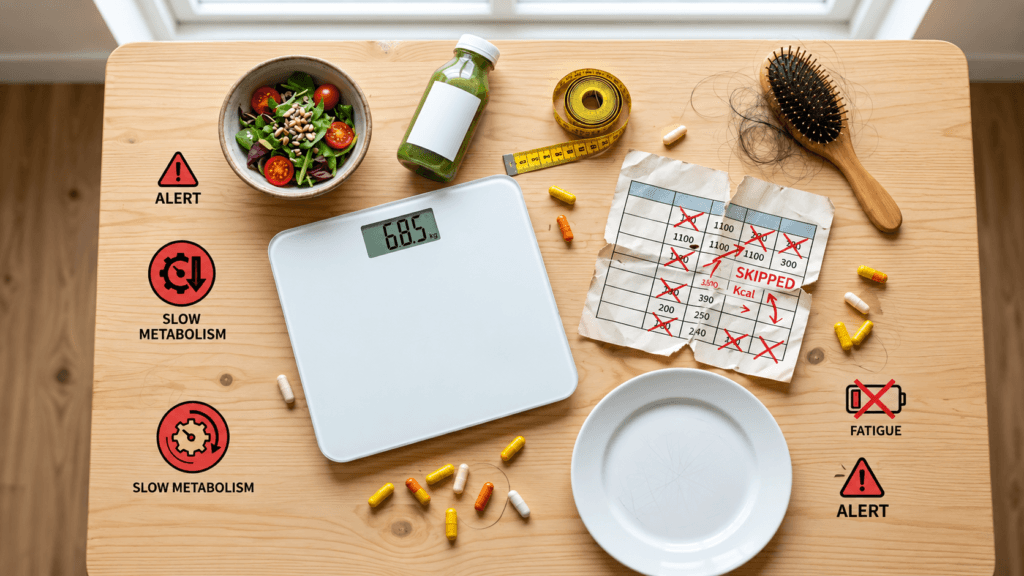
Energy levels fall. Cravings become intense. Mood swings begin. Hair fall increases. Sleep worsens. The body feels weak. Weight loss slows down even though food intake is extremely low. Eventually, normal eating returns — and so does the weight. Sometimes even more than before.
This painful cycle explains exactly why crash diets fail for most people. Many people blame themselves when a crash diet stops working. They think they lack discipline or willpower. But in reality, the body is designed to protect itself from starvation. When calories suddenly become too low, the body reacts by slowing metabolism, increasing hunger hormones, conserving energy, and making food cravings stronger.
This article explains: Why Crash Diets Fail, crash diet side effects India, why weight regain happens, how crash dieting affects hormones, metabolism, hair, and mental health, why Indian women are especially vulnerable, and what sustainable weight loss actually looks like. The goal is not fast temporary weight loss. The goal is long-term health without damaging the body.
What Is a Crash Diet?
A crash diet is an extremely restrictive eating plan designed to produce rapid weight loss in a short period. Most crash diets:
- drastically reduce calories
- eliminate food groups
- depend on liquid meals or detox drinks
- avoid carbs completely
- promote unrealistic weight loss goals
Common examples popular in India include:
- GM Diet
- juice cleanses
- detox water diets
- fruit-only diets
- soup diets
- no-carb diets
- liquid diets
- one-meal-a-day plans
- influencer “fat loss challenges”
Many of these diets become viral because they promise quick results. But fast weight loss does not always mean healthy fat loss. In the first few days of crash dieting, most weight lost is usually: water weight, glycogen depletion, and muscle mass. Not actual body fat. This is one of the biggest reasons why crash diets don’t work long term.
Why Crash Diets Fail Scientifically
The human body is built for survival. When someone suddenly eats too little, the body does not think: “This person wants to lose weight.” Instead, the body interprets it as: “Food is becoming unavailable. We need to survive.” This activates several biological defense systems.
Why Crash Diets Slow Metabolism
One of the most important reasons why crash diets fail is metabolic slowdown. When calorie intake drops sharply, the body tries to conserve energy by reducing calorie burning. This process is called metabolic adaptation. People often say: “I am barely eating but my weight loss stopped.” This usually happens because the body has reduced its energy expenditure to survive on fewer calories.
Slow metabolism after crash diet is common in people who:
- skip meals regularly
- follow repeated detox diets
- do aggressive fasting
- avoid carbs for long periods
- repeatedly lose and regain weight
Over time, the body becomes more efficient at conserving calories. This makes future weight loss harder.
Crash Diet and Muscle Loss
Rapid weight loss often includes significant muscle loss. When the body does not receive enough protein, calories, and nutrients, it starts breaking down muscle tissue for energy. Muscle is metabolically active tissue. It helps the body burn calories efficiently. Less muscle means: slower metabolism, lower strength, fatigue, and easier weight regain. This is why crash diet and muscle loss create long-term metabolism problems. Many people become lighter in weight, but weaker physically, with higher body fat percentage. This is sometimes called “skinny fat.”
Crash Diet and Hormonal Imbalance
Crash diet and hormonal imbalance are strongly connected. Extreme calorie restriction can disrupt: insulin, cortisol, thyroid hormones, reproductive hormones, and hunger hormones like leptin and ghrelin. This may cause: increased cravings, fatigue, mood swings, irritability, irregular periods, poor sleep, and emotional eating. Women are especially vulnerable to hormonal disruption during aggressive dieting.
Why Crash Diets Cause Blood Sugar Crashes
Many crash diets rely on: juices, fruits only, salads only, and meal skipping. This may create unstable blood sugar levels. Symptoms may include: dizziness, headaches, shaking, irritability, brain fog, and sudden cravings.
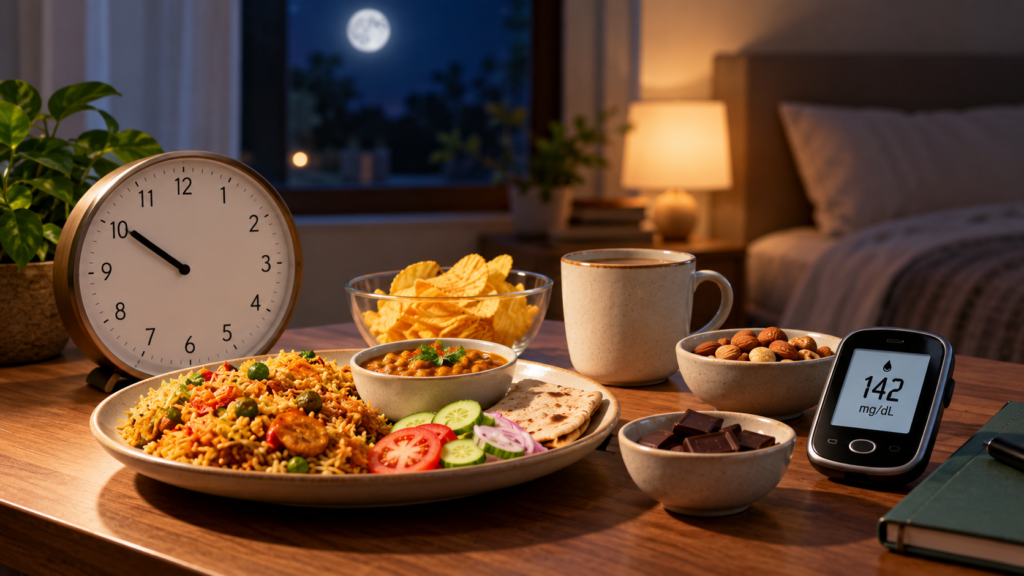
A common Indian pattern looks like this: skip breakfast, drink chai, eat very little all day, become extremely hungry at night, and overeat dinner or sweets. This creates a cycle of restriction and binge eating.

15 Reasons Why Crash Diets Fail
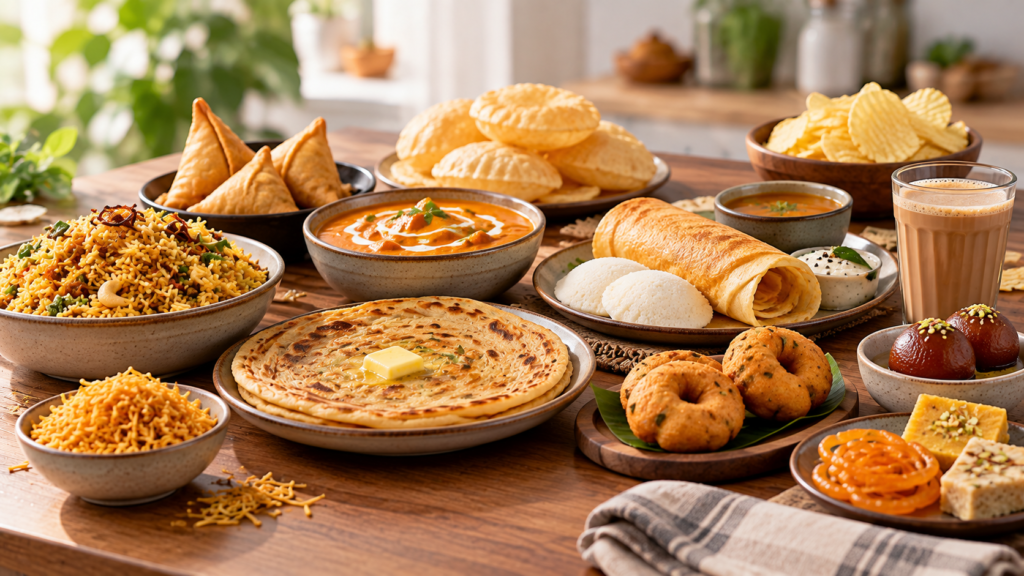
Most people cannot realistically survive long-term on: soups, detox drinks, boiled vegetables, or fruit-only meals. Indian food culture involves rice, roti, dal, family meals, celebrations, snacks, and social eating. Extreme restriction creates frustration and cravings.
The first few kilos lost are often water weight. Once normal eating resumes, glycogen and water stores return quickly. This is why many people regain weight rapidly after crash dieting.
Extreme dieting increases ghrelin, the hunger hormone. At the same time, fullness hormones decrease. The result: stronger cravings, constant hunger, and food obsession. This is biology, not weakness.
Crash diet and metabolism damage may continue even after the diet ends. The body adapts to low calorie intake by conserving energy. This makes future weight loss slower and harder.
Crash diet and muscle loss reduce calorie burning capacity. Lower muscle mass means: fewer calories burned daily, easier fat regain, and lower energy.
Many people use food for: comfort, stress relief, and emotional regulation. Restriction often increases emotional pressure and eventually triggers overeating.
Weight gain is not always caused by overeating alone. Possible causes include: PCOS, thyroid disorders, insulin resistance, poor sleep, stress, emotional eating, and sedentary work lifestyle. Crash diets rarely address these deeper causes.
Many social media diets lack: protein, iron, calcium, vitamin B12, and healthy fats. This may cause: weakness, poor concentration, fatigue, low immunity, and hair fall.
Many people begin fearing: rice, bananas, mangoes, chapati, and ghee. Foods become labelled “good” or “bad.” This damages the relationship with food.
Many online transformations involve: dehydration, temporary starvation, medication use, filters and editing. But viewers only see dramatic before-and-after photos.
Liquid diets are increasingly popular in Indian cities. But liquid diet dangers India include: blood sugar instability, protein deficiency, fatigue, muscle loss, and low satiety. The body needs balanced meals, not only juices.
Many detox diets claim to “cleanse toxins.” But the body already has: liver, kidneys, and digestive system. These organs naturally help remove waste. Most detox diets simply reduce calorie intake temporarily.
Rapid weight loss often triggers: protein deficiency, iron deficiency, and nutrient imbalance. Many women notice severe hair fall 2–3 months after aggressive dieting.
Crash dieting may increase: anxiety, guilt, irritability, mood swings, and food obsession. Some people avoid social events because they fear eating normal food.
This is the biggest reason why crash diets fail. Any diet that only works temporarily usually creates temporary results. Sustainable habits matter more than short-term suffering.
Crash Diet Side Effects India: Why Indian Women Are More Vulnerable
Indian women commonly struggle with: PCOS, thyroid disorders, anemia, stress, hormonal imbalance, and poor sleep. Crash dieting can worsen these conditions significantly.
Crash Diet and PCOS India
Women with PCOS may experience: increased cravings, worse insulin resistance, irregular periods, fatigue, and stubborn weight gain. Very low calorie diets may increase cortisol and worsen hormonal imbalance.
Crash Diet and Thyroid India
People with hypothyroidism already have slower metabolism. Crash dieting may worsen: constipation, low energy, fatigue, hair thinning, and cold intolerance.
Crash Diet and Fertility
Severe calorie restriction may affect: ovulation, menstrual cycles, and reproductive hormones. The body may reduce reproductive function during perceived starvation.
Why Weight Comes Back After Crash Diet
Weight regain after crash diet India patterns are extremely common. This happens because: metabolism slows down, hunger hormones increase, cravings become stronger, muscle mass decreases, and emotional eating increases. For sustainable results, professional Weight Management in Mysore programs focus on healthy eating habits, balanced nutrition, and long-term lifestyle changes rather than extreme calorie restriction.
The pattern usually looks like this: Extreme diet starts → Rapid weight loss happens → Cravings increase → Diet becomes impossible to maintain → Binge eating starts → Weight returns → Another crash diet begins. Repeated weight cycling may affect: metabolism, confidence, mental health, and body image.
Restriction increases food obsession. After avoiding favorite foods for days, the brain becomes more sensitive to: sweets, fried foods, bakery items, and fast food. This is why many people: binge eat on weekends, overeat after “cheat meals”, or snack heavily late at night.
GM Diet Side Effects India and Other Popular Fad Diets
GM Diet Side Effects India
The GM diet promises fast weight loss. But common side effects include: weakness, headaches, dizziness, cravings, low energy, and temporary water loss. Most people regain the weight quickly because the diet is difficult to sustain.
Juice Cleanse Dangers
Juice cleanses often lack: protein, healthy fats, and adequate fiber. This may lead to: fatigue, blood sugar crashes, muscle loss, and hunger spikes.
No-Carb Diet Problems
Carbohydrates are not inherently bad. Extremely low-carb diets may cause: low energy, poor concentration, mood swings, and cravings. Balanced carb intake often works better for sustainable weight loss India approaches.
Signs Your Diet Is Too Extreme
Your diet may be unhealthy if:
- you think about food constantly
- you feel weak frequently
- your hair is falling excessively
- you avoid social situations involving food
- your periods become irregular
- you feel dizzy often
- you binge eat after restriction
- you fear normal foods
These are warning signs — not proof the diet is working.
Healthy Alternatives to Crash Dieting India
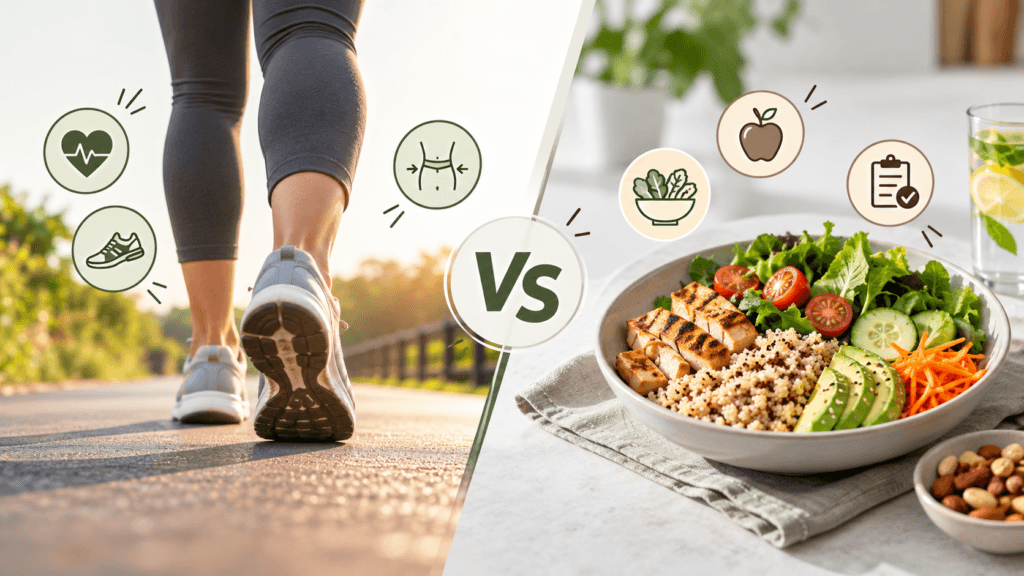
Healthy weight loss usually comes from consistency, not starvation.
Sustainable Weight Loss India: What Actually Works
- 1. Eat Balanced Indian Meals: A balanced meal may include: rice or roti, dal or protein source, vegetables, curd, and healthy fats. Traditional Indian meals can support fat loss when portions are balanced properly.
- 2. Increase Protein Intake: Protein helps: maintain muscle, improve fullness, and support metabolism. Good Indian protein sources include: eggs, paneer, dal, sprouts, curd, fish, and chicken.
- 3. Reduce Calories Gradually: Extreme calorie restriction side effects become more likely when dieting becomes aggressive. Moderate calorie reduction is usually safer and more sustainable.
- 4. Improve Meal Timing: Regular meal timing may improve: blood sugar balance, energy, and hunger control. Skipping meals often increases cravings later.
- 5. Prioritize Sleep and Stress Management: Poor sleep and chronic stress increase cortisol levels. This may worsen: cravings, emotional eating, fatigue, and fat storage.
How Nourish with Relma Helps People Lose Weight Safely
Relma Gangam focuses on science-backed nutrition guidance designed for long-term health rather than extreme short-term dieting. Her approach includes: sustainable weight management, PCOS nutrition support, thyroid-friendly meal planning, pregnancy nutrition guidance, stress-related eating support, personalized diet plan India services, and online dietitian consultation India support.
Instead of promoting starvation or social media detox trends, the focus is placed on: balanced Indian meals, practical eating habits, realistic lifestyle changes, gradual fat loss, and long-term health improvement. For people struggling with repeated weight regain, emotional eating, crash diet side effects India, slow metabolism after crash diet, or PCOS-related weight gain, professional support from a certified nutritionist Mysore expert may help create a safer and more sustainable approach.
Right Fit vs Wrong Fit Framework
Suitable For:
- Desiring to break free from aggressive, unstable crash diet cycles
- Struggling with slow metabolism after crash diet and persistent low energy parameters
- Willing to follow structured tracking timelines for balanced Indian food configurations
- Needing professional guidance from a certified nutritionist Mysore expert
Not Suitable For:
- Expecting sudden weight drops of 10 kilos within days
- Demanding extreme, highly restrictive single-food fad plans
- Unwillingness to look at underlying sleep cycles or stress tracking behavior
Frequently Asked Questions
Crash diets stop working because the body adapts by slowing metabolism, increasing hunger hormones, and conserving energy.
Around 0.5–1 kg per week is generally considered more sustainable and realistic.
Repeated crash dieting may reduce metabolic efficiency for long periods, especially when muscle loss occurs repeatedly.
Weight regain after crash diet India cases are common because the body becomes more efficient at storing calories after extreme restriction.
The body already has organs like the liver and kidneys that naturally help remove waste products.
Yes. Severe calorie restriction may disrupt reproductive hormones and menstrual cycles.
Women with PCOS may experience energy crashes, cravings, and hormonal imbalance during extreme diets like the GM diet.
From Weight Regain to Lasting Results
Understanding Why Crash Diets Fail can prevent years of frustration, repeated weight regain, and unnecessary health problems. Crash diets may promise fast results, but they often: slow metabolism, increase cravings, damage hormones, trigger emotional eating, worsen hair fall, and create unhealthy relationships with food. Most importantly, they are difficult to maintain long term.
Real health improvement usually comes from: sustainable eating habits, balanced nutrition, proper sleep, stress management, gradual lifestyle changes, and realistic expectations. The goal should not be starvation. The goal should be a healthier body, stronger metabolism, stable energy, and a better relationship with food.