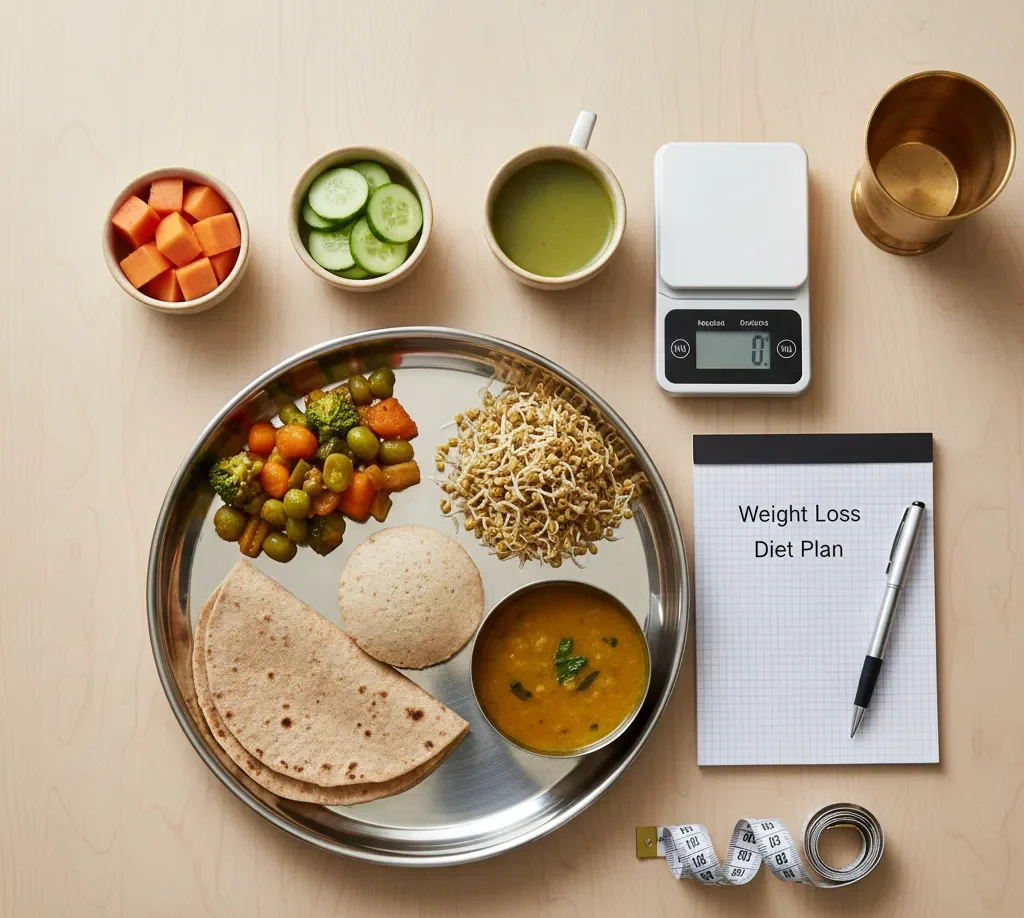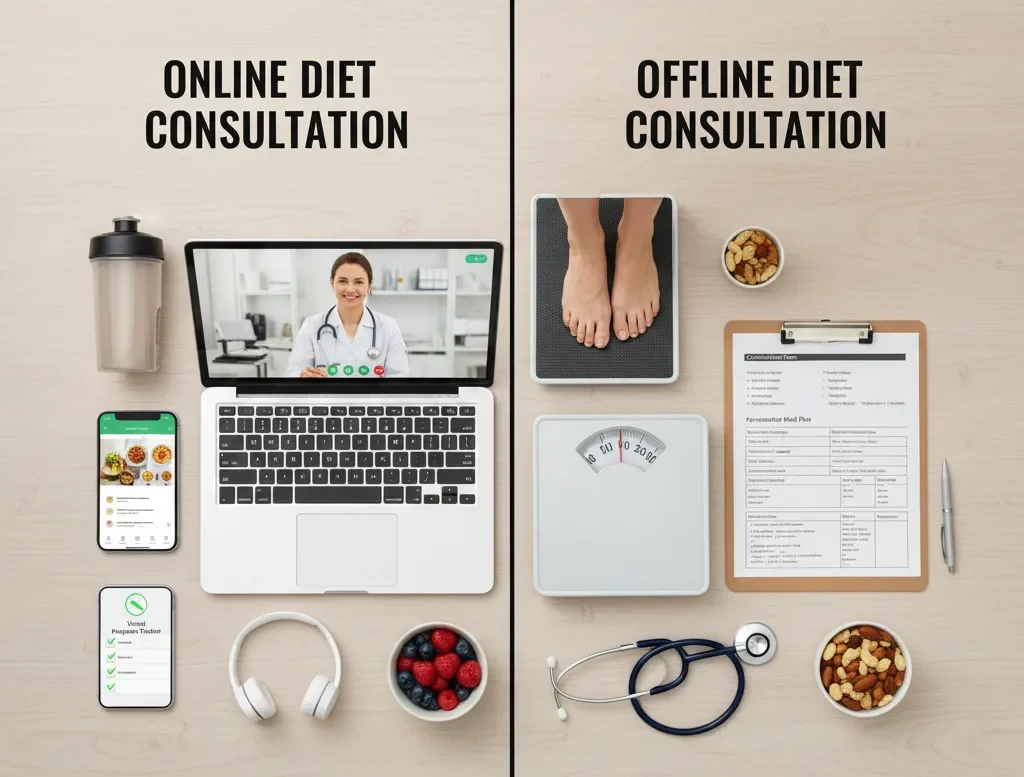
Nourish With Relma provides Diabetes Nutrition Management Services for individuals in Bangalore and Angondhalli, Karnataka, with online consultations across India. The service focuses on diet structure, Indian meal planning, and lifestyle habits that influence fasting glucose, HbA1c levels, and insulin response.
A common concern among clients is rising fasting blood sugar even when daytime meals appear controlled. In most cases, this is linked to nighttime eating patterns affecting blood sugar, especially dinner timing, rice-heavy meals, and reduced activity after food intake.
This service focuses on identifying these patterns and adjusting them using practical Indian dietary strategies.
Who This Service Is Designed For
This service is suitable for individuals managing blood sugar through diet and lifestyle adjustments.
It is relevant for:
- Adults with Type 2 diabetes or prediabetes
- Individuals with fluctuating fasting glucose levels
- People experiencing nighttime eating patterns affecting blood sugar
- Clients consuming rice, idli, dosa, or biryani regularly
- Working professionals with late dinner schedules in Bangalore
- Individuals with insulin resistance linked to PCOS
Urban routines such as late work hours, reduced movement, and heavy evening meals often contribute to unstable morning glucose levels.
Why Morning Blood Sugar Becomes Unstable
Morning glucose changes are usually influenced by overnight metabolic activity rather than breakfast alone.
During sleep, the liver releases stored glucose for energy needs. In insulin resistance, this process may become uneven, contributing to higher fasting readings.
Hormones such as cortisol rise in early morning hours and may temporarily reduce insulin sensitivity. This can lead to gradual glucose elevation before breakfast.
Large portions of rice or late-night meals increase glucose load before sleep, which may carry into morning readings.
Remaining inactive after meals reduces muscle glucose uptake, which can contribute to nighttime eating patterns affecting blood sugar.
Common Challenges People Experience
- Morning sugar remains high despite controlled diet: Many individuals follow structured diets but still experience fasting spikes due to evening routines and sleep-related factors.
- Frequent rice-heavy dinner meals: Large servings of rice-based dishes increase overall glycaemic load in the evening.
- Late dinner timing: Eating after 9 PM reduces overnight digestion time and affects glucose balance.
- Unplanned late-night eating: Small snacks such as biscuits, fruit, or leftover rice can increase overnight glucose levels.
- Irregular sleep and stress: Sleep disruption may influence hormone balance and glucose regulation.
What This Service Includes
- Detailed diet and habit assessment: Food patterns, rice intake, and evening routines are reviewed to identify nighttime eating patterns affecting blood sugar.
- Indian meal structure planning: Balanced meal plans are designed using common foods like rice, chapati, millet, vegetables, and protein sources.
- Dinner timing and portion guidance: Adjustments are made to evening meals to support more stable fasting glucose patterns.
- Behaviour and lifestyle alignment: Guidance is provided on sleep, stress, and post-meal inactivity that influence glucose response.
- Post-meal movement planning: Light walking or activity after dinner is suggested to support glucose uptake.
How the Process Works
Medical history, diet habits, and glucose trends are reviewed.
Daily food intake and evening routines are analyzed.
A structured Indian diet plan is created based on glucose response patterns.
Clients understand how food timing, rice intake, and sleep affect overnight glucose levels.
Adjustments are made based on glucose readings and feedback.
A sustainable routine is developed for ongoing dietary balance.
Practical Guidelines for Night Glucose Stability
- Maintain a 10–12 hour overnight fasting window
- Avoid heavy rice meals close to bedtime
- Keep dinner earlier when possible
- Include protein and fibre in evening meals
- Take a short walk after dinner
These steps may help reduce nighttime eating patterns affecting blood sugar and support better fasting glucose stability.
Pricing Overview
- Initial consultation: ₹1,200 – ₹2,500
- Monthly nutrition planning: ₹3,500 – ₹9,000
- Advanced tracking support: ₹8,000 – ₹13,000
Pricing varies based on: Health condition complexity, Follow-up frequency, Dietary and lifestyle requirements. Final plan and pricing are shared after consultation.
Local Context: Bangalore and Angondhalli
Clients in Bangalore and Angondhalli, Karnataka often follow traditional Indian meal patterns such as:
- Idli and dosa breakfasts
- Rice with sambar or rasam for lunch
- Biryani, chapati, or rice-based dinners
These patterns are reviewed to reduce nighttime eating patterns affecting blood sugar, especially late dinners and high evening carbohydrate intake.
Realistic Client Outcomes
A 45-year-old working professional reduced fasting glucose from 165 mg/dL to 140 mg/dL in 10 weeks after adjusting dinner timing and rice portions.
A 38-year-old client reduced post-dinner glucose spikes within 6 weeks through structured walking and meal balancing.
A 52-year-old client improved HbA1c from 8.2% to 7.6% in 12–14 weeks through consistent dietary adjustments.
Results vary depending on medical condition, medication, and adherence.
Right Fit vs Wrong Fit Framework
Suitable For:
- Individuals with unstable fasting glucose
- People consuming rice daily in meals
- Clients with insulin resistance or prediabetes
- Individuals noticing nighttime eating patterns affecting blood sugar
- People willing to follow structured dietary guidance
Not Suitable For:
- Individuals expecting immediate reversal of diabetes
- People unwilling to adjust meal timing or portions
- Clients looking for medication-only management
- Individuals not open to tracking dietary habits
Frequently Asked Questions
These refer to late dinners, high carbohydrate intake at night, and inactivity after meals. These habits may influence overnight glucose regulation and fasting readings.
Yes, but portion control and timing are important. Large evening portions may increase overnight glucose levels.
Most individuals manage well with ½ to 1 cup cooked rice per meal depending on glucose response. Dinner portions are usually kept smaller.
Brown rice contains more fibre and may lead to a slower glucose rise. However, total portion size and timing remain important factors.
Millets, vegetables, legumes, and protein-based meals are common alternatives that may support more stable glucose response.
A structured nutrition plan may help improve dietary balance, support glucose stability, and reduce nighttime eating patterns affecting blood sugar over time.
Next step
Diabetes Nutrition Management Services from Nourish With Relma focus on structured Indian diet planning, behavioural correction, and lifestyle alignment for blood sugar management. A key focus is identifying and improving nighttime eating patterns affecting blood sugar to support more stable fasting glucose levels.
This service is available in Bangalore and Angondhalli, Karnataka, with online consultations across India.
Book a consultation to review your current diet patterns and receive a structured Indian meal plan designed around your glucose readings, lifestyle, and food preferences.