PCOS/PCOD Diet Tips From an Experienced Dietician in Mysore
Written by Dt. Relma, R.D., Specialist in PCOS, PCOD, and Hormonal Health with 6+ Years of Experience in Mysore
Polycystic Ovary Syndrome (PCOS) and Polycystic Ovary Disease (PCOD) affect over 10–15% of women in India, according to recent studies. In Karnataka, NFHS-5 data indicates rising rates of overweight, insulin resistance, and hormonal irregularities among reproductive-age women. Many women in Mysore face challenges like irregular periods, acne, fatigue, hair thinning, insulin resistance, and weight gain, all of which are influenced by local diet habits such as rice-heavy lunches, frequent chai breaks, and consumption of local bakery snacks like those from VV Mohalla.
Proper diet and lifestyle adjustments, tailored to local foods and habits, can significantly improve PCOS outcomes. Here, we provide PCOS/PCOD diet tips from an experienced dietician in Mysore, grounded in scientific evidence and local practice.
Understanding PCOS and PCOD
PCOD: Ovaries produce multiple cysts and excess androgens, causing irregular cycles and metabolic issues.
PCOS: More complex, involving hormonal imbalances, insulin resistance, weight gain, and fertility challenges.
Local triggers in Mysore include:
- Afternoon sugar spikes from chai culture
- High intake of refined rice and sweets
- Limited fiber intake from traditional meals

Why Diet Matters: The Science
Insulin resistance leads to higher circulating insulin, which stimulates ovarian theca cells to produce more androgens, worsening PCOS symptoms. Studies suggest that managing insulin levels through diet reduces androgen production and supports ovulation.
Chronic stress increases cortisol, raising blood sugar and inflammatory markers. Elevated cortisol in PCOS can exacerbate:
- Irregular cycles
- Fat accumulation around the abdomen
- Acne and hair thinning
Low-grade chronic inflammation in PCOS triggers androgen synthesis. Foods that reduce inflammation—like turmeric, ginger, and omega-3-rich seeds—can help regulate hormones naturally.
Emerging research shows that gut microbiome imbalance affects estrogen metabolism, insulin sensitivity, and inflammation. Including local fiber-rich foods and fermented products like curd supports a healthy gut.
Hypothyroidism is common alongside PCOS, influencing metabolism and weight. Adequate iodine, selenium, and protein are essential to maintain thyroid function while managing PCOS.
PCOS/PCOD Diet Tips From an Experienced Dietician in Mysore
High-GI foods worsen insulin resistance. Incorporate:
- Millets: Ragi, jowar, bajra
- Whole grains: Brown rice (in moderation), quinoa, oats
- Legumes: Moong dal, chickpeas, kidney beans
Mysore Tip: Breakfast options like ragi idli, millet dosa, or sambar with vegetables are excellent low-GI meals.
Protein stabilizes blood sugar and supports satiety:
- Eggs, paneer, low-fat dairy
- Chicken, fish (for non-vegetarians)
- Soy products: tofu, soy milk
Scientific Insight: Protein-rich meals reduce insulin spikes and prevent post-meal hyperglycemia common in PCOS.
Fiber slows sugar absorption and supports gut health:
- Vegetables: drumstick leaves, spinach, beans
- Fruits: guava, berries, apple (moderate mango/banana)
- Whole grains: millets, brown rice
Local Markets: Mysore provides fresh seasonal greens ideal for PCOS, like drumstick leaves and fenugreek.

High sugar and trans-fat foods increase insulin resistance and androgen production:
- Cakes, pastries, biscuits (VV Mohalla bakery)
- Packaged snacks, namkeens, soft drinks
WHO Guideline: Trans fat intake should be <1% of total energy. Most local bakery items exceed this in a single serving.
- Nuts: almonds, walnuts
- Seeds: flaxseed, chia
- Oils: olive, mustard, moderate coconut oil
Healthy fats reduce inflammation and support hormone production.
Spices improve digestion and hormone balance:
- Turmeric, cinnamon, ginger, garlic
- Fenugreek seeds, curry leaves, ajwain
Mysore Tip: Fresh curry leaves and mustard seeds are easily available in local markets and aid in digestion.
- 2–3 liters of water per day
- Herbal teas: tulsi, ginger
- Avoid excessive caffeinated beverages
Hydration helps reduce fatigue and supports metabolic health, especially in Mysore's hot climate.
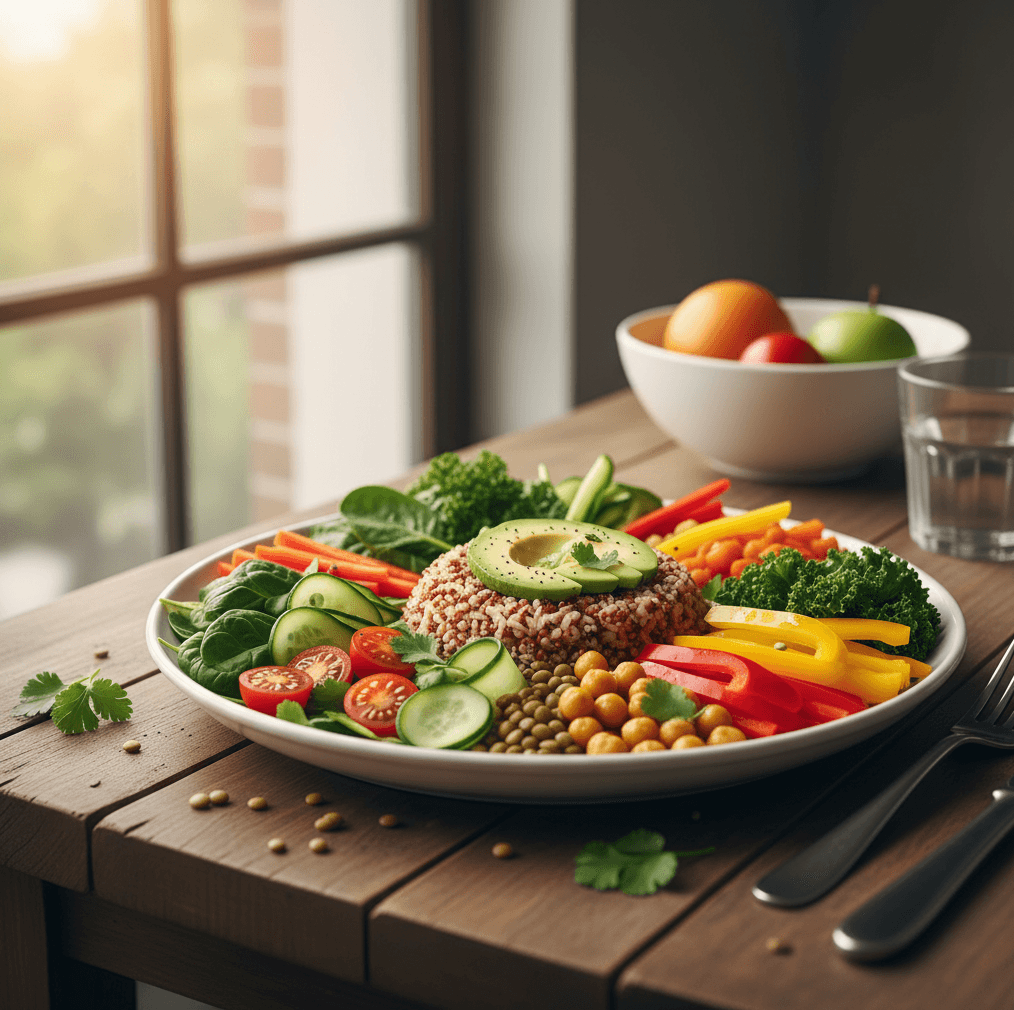
- Breakfast: Ragi dosa with paneer or oats porridge with nuts
- Mid-morning snack: Fruit + nuts
- Lunch: Brown rice, dal, vegetables, curd
- Evening snack: Roasted chana or sprouts
- Dinner: Millet roti with vegetable curry
Eating small, frequent meals prevents sugar spikes and stabilizes insulin.
- Choose fermented low-fat dairy: curd, buttermilk
- Use gluten-free flours: ragi, jowar, bajra
Some women may need to limit dairy or gluten to reduce inflammation.
- Monitor weight, blood sugar, and menstrual cycles
- Maintain a food diary for local meals
- Adjust diet based on symptoms and seasonal foods
Common Dietary Mistakes in Mysore
| Mistake | Impact on PCOS | Better Alternative |
|---|---|---|
| Skipping breakfast | Leads to sugar spikes | Ragi idli with sambar |
| Overconsumption of refined carbs | Rice-heavy meals, sweets | Balance with protein and fiber |
| Frequent snacking on bakery items | Trans fats, high sugar | Roasted nuts, sprouts |
| Low protein intake | Increased hunger | Include dal, paneer, eggs |
| Limited fiber | Bloating and poor gut health | Add vegetables, whole grains |
Lifestyle Tips
Yoga, brisk walking, strength training 4–5 times/week
7–8 hours to regulate hormones
Meditation, deep breathing, outdoor walks
Lifestyle changes amplify the benefits of a PCOS-friendly diet.
Local Case Studies: PCOS Transformations in Mysore

Symptoms: Irregular periods, weight gain, acne
Cause: High stress, bakery snacks, sedentary lifestyle
Fix: Low-GI breakfast, protein-rich snacks, stress management techniques
Result: Regularized cycles within 3 months, 5kg weight loss in 6 weeks
Symptoms: Fatigue, hair thinning, insulin resistance
Cause: Skipping meals, late-night studying with snacks
Fix: Structured meal timing, ragi-based breakfasts, adequate protein
Result: Improved energy levels, reduced hair fall within 2 months
Symptoms: Difficulty conceiving, weight gain
Cause: Traditional high-carb meals, low protein intake
Fix: Balanced meals with adequate protein, fiber-rich foods
Result: Conceived after 8 months of dietary changes
Frequently Asked Questions
While PCOS cannot be completely cured, a proper diet and lifestyle can effectively manage symptoms, regulate hormones, and improve quality of life. Many women achieve regular cycles and improved fertility through dietary changes.
Ragi-based dishes, millet dosas, sambar with vegetables, sprouts, local greens like drumstick leaves, and fermented foods like curd are excellent for PCOS management in Mysore.
Most women begin to see improvements in energy levels and digestion within 2-3 weeks. Hormonal balance and regular cycles typically take 2-3 months of consistent dietary changes.
Not necessarily. Small portions of brown rice combined with adequate protein, fiber, and vegetables can be included in a PCOS-friendly diet. The key is balance and portion control.
Why Consult a Dietician in Mysore
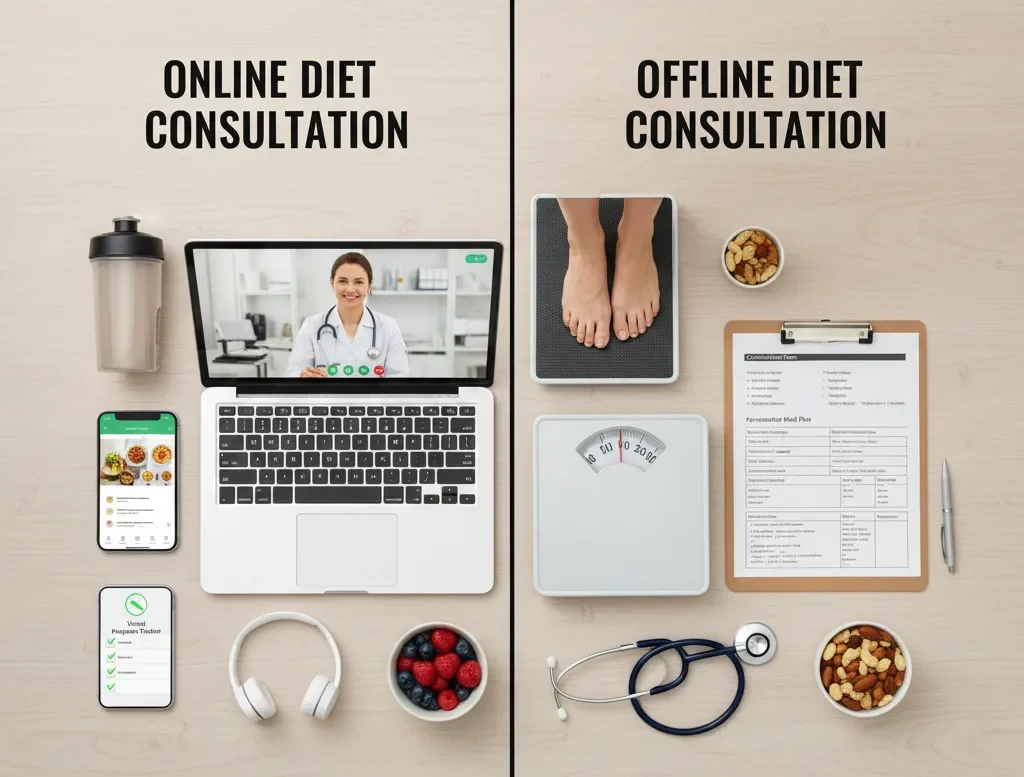
- Individual assessment of medical history and diet habits
- Identification of local dietary triggers
- Creation of meal plans using local ingredients
- Continuous monitoring and adjustment of diet for best results
Nourish With Relma has over 6 years of experience managing PCOS/PCOD in Mysore, combining scientific knowledge with practical local diet advice.
Start Your PCOS/PCOD Nutrition Journey Today
PCOS and PCOD management requires a scientific, personalized, and locally-informed diet strategy. Following these PCOS/PCOD diet tips from an experienced dietician in Mysore ensures:
- Improved insulin sensitivity
- Better hormonal balance
- Sustainable weight management
- Enhanced fertility support
- Reduced inflammation and better gut health
Consulting a dietician ensures your plan aligns with local foods, culture, and your specific physiological needs.
Book a Consultation With a PCOS Expert in Mysore Today!