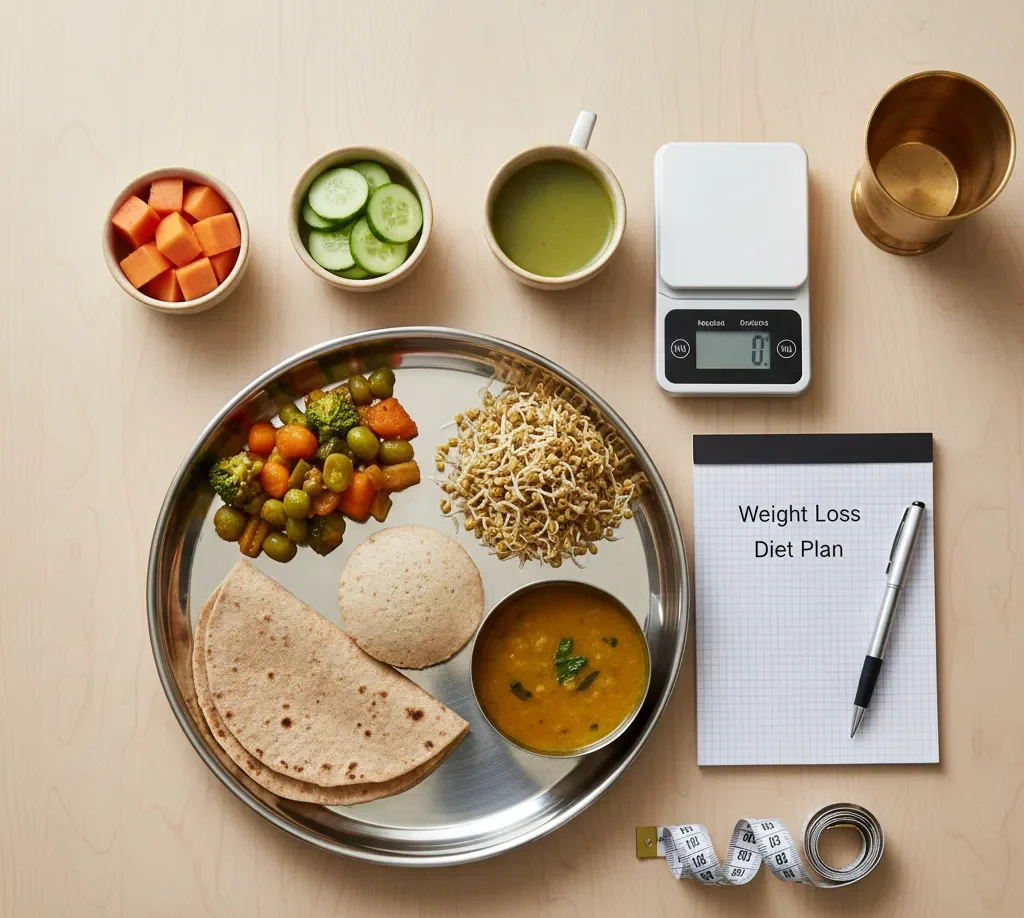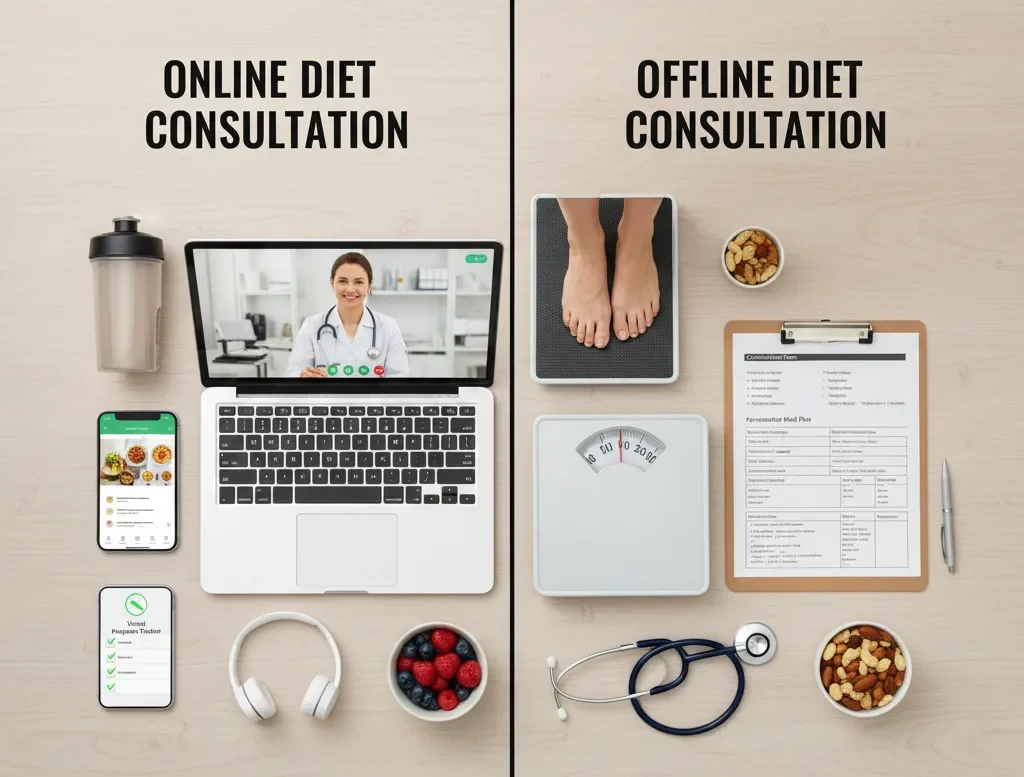
Diabetes Nutrition Management Services at Nourish With Relma in Angondhalli, Karnataka focus on structured medical nutrition therapy for people with Type 2 diabetes, prediabetes, insulin resistance, and metabolic syndrome. The service is designed to improve glycated hemoglobin (HbA1c) through dietary correction, post-meal glucose control, and insulin sensitivity improvement using Indian food systems.
The focus of this service is How to Reduce HbA1c Naturally? through monitored lifestyle and nutrition strategies that work alongside prescribed medications when required. HbA1c reflects a 3-month average of blood glucose levels, and improving it requires consistent control of postprandial glucose, carbohydrate load, and metabolic response patterns.
This service is designed for individuals in Angondhalli and nearby Karnataka regions who consume rice-based diets and need structured, clinically guided nutrition planning for long-term blood sugar stability.
Who This Service Is For in Angondhalli and Surrounding Karnataka Regions
This service is designed for individuals who need structured dietary intervention based on glycated hemoglobin levels and glucose variability patterns.
It is relevant for:
- Adults with Type 2 diabetes requiring HbA1c reduction support
- Individuals with prediabetes and rising fasting glucose trends
- People with insulin resistance linked to PCOS or obesity
- Patients using oral hypoglycaemic medications who need diet coordination
- Elderly individuals with long-term rice-heavy dietary patterns
- Working professionals with irregular eating schedules and high carb intake
- Individuals consuming rice, idli, dosa, chapati, and mixed grain diets daily
In rural and semi-urban Karnataka, carbohydrate-heavy diets are common. This service focuses on improving glycaemic response rather than removing traditional foods.
The core goal is structured metabolic support for How to Reduce HbA1c Naturally? using clinically measurable food and behavior adjustments.
Understanding HbA1c and Metabolic Glucose Control
HbA1c (glycated hemoglobin) is a marker that reflects the percentage of glucose attached to red blood cells over 8–12 weeks. Higher values indicate sustained hyperglycaemia and reduced insulin efficiency.
Improving HbA1c requires more than reducing sugar intake. It requires improving:
- insulin sensitivity
- post-meal glucose clearance
- carbohydrate tolerance
- glycaemic variability control
The foundation of How to Reduce HbA1c Naturally? is based on three measurable physiological processes:
- Reduction of postprandial glucose excursions (60–90 minute spikes)
- Improvement in skeletal muscle glucose uptake
- Reduction in hepatic glucose output during fasting states
This service applies structured medical nutrition therapy instead of generic diet plans.
Clinical Lifestyle Case Framework (Real-World Application Model)
A 46-year-old client with Type 2 diabetes and HbA1c of 13.8 followed structured carbohydrate redistribution, post-meal walking protocols, and rice portion control. Over 14 weeks, HbA1c reduced to 7.4 under medical supervision with continued medication use.
A 52-year-old client with unstable fasting glucose patterns and HbA1c of 9.2 achieved improved post-meal glucose control within 10 weeks through millet substitution cycles and protein-balanced meal structuring.
A 34-year-old prediabetic client reduced HbA1c from 6.4 to 5.6 in 12 weeks through glycaemic load correction and post-meal activity alignment.
These outcomes are based on structured dietary intervention models. Individual results vary depending on adherence, medication status, and metabolic condition.
Common Barriers That Prevent HbA1c Improvement
Large servings of white rice twice daily lead to repeated post-meal glucose spikes, making How to Reduce HbA1c Naturally? difficult without structured portion control.
Switching from white rice to brown rice alone does not reduce total glucose exposure if portion size remains high.
Meals like biryani, idli, and dosa cause rapid glucose elevation due to refined starch digestion and low fiber balance.
Skipping meals or late-night eating increases liver glucose release, raising fasting blood sugar levels.
Carbohydrate-heavy meals without protein increase insulin demand and hunger cycles.
Unverified information leads to inconsistent dietary behavior and poor metabolic outcomes.
What We Offer in Diabetes Nutrition Management
- Medical Nutrition Therapy with Glycaemic Load Mapping Framework: We create structured meal systems based on HbA1c level, glucose variability, and medication status. This includes carbohydrate redistribution across the day to stabilize blood sugar patterns.
- Rice Impact Control System for Indian Diets: We provide structured guidance on rice quantity, timing, and combination strategies with protein and fiber to reduce post-meal glucose spikes.
- Postprandial Glucose Tracking Integration System: Clients are trained to track fasting and post-meal glucose readings and correlate them with food intake. This forms a core part of How to Reduce HbA1c Naturally? using real feedback loops.
- Insulin Sensitivity Improvement Protocol: Meal timing, walking schedules, and carbohydrate spacing are structured to improve glucose uptake and reduce insulin resistance.
- Glycaemic Variability Reduction Strategy: Focus is placed on reducing fluctuations between high and low glucose readings across the day, not only fasting values.
- Continuous Diet Recalibration Model: Meal plans are adjusted based on weekly glucose trends, medication changes, and metabolic response patterns.
Three-Phase Glycaemic Control Protocol (Nourish With Relma Method)
Phase 1: Carbohydrate Redistribution
Carbohydrates are distributed across meals instead of being concentrated in rice-heavy lunches or dinners.
Phase 2: Post-Meal Glucose Control
Food combinations and post-meal walking routines are used to reduce glucose spikes within 60–90 minutes.
Phase 3: Metabolic Stabilization Phase
Focus shifts to improving insulin sensitivity and maintaining stable HbA1c trends over 8–12 weeks.
Step-by-Step Clinical Process
HbA1c reports, fasting glucose levels, medication usage, and dietary patterns are analyzed.
Rice intake, meal timing, and glucose spike patterns are identified.
An Indian diet plan is created focusing on glycaemic load reduction and insulin response balance.
Clients learn how food choices affect 1-hour and 2-hour glucose readings.
Plans are modified based on HbA1c trends and glucose data.
Pricing Guidance
- Initial consultation: ₹900 – ₹1,800
- Monthly diabetes nutrition program: ₹3,000 – ₹7,500
- Follow-up sessions: ₹600 – ₹1,500
Pricing depends on:
- HbA1c severity
- medication dependency
- frequency of monitoring
- coexisting conditions such as thyroid or PCOS
Final pricing is confirmed after consultation.
Local Dietary Context in Angondhalli, Karnataka
Daily diets in this region are typically based on:
- white rice as the primary staple
- idli and dosa breakfasts
- chapati-based mixed meals
- festival meals with high carbohydrate loads
Instead of removing these foods, this service restructures them using glycaemic load principles:
- rice is combined with protein and fiber
- idli/dosa meals are paired with nutrient-dense sides
- portion size is controlled instead of elimination
This supports practical implementation of How to Reduce HbA1c Naturally? in real households.
Comparison: Suitable vs Not Suitable
Suitable for:
- Individuals with Type 2 diabetes or prediabetes
- People with elevated HbA1c levels
- High carbohydrate Indian diet consumers
- Patients willing to track glucose readings
- Individuals seeking structured metabolic planning
Not suitable for:
- Individuals expecting medication replacement through diet alone
- Emergency diabetes conditions requiring hospital care
- People unwilling to modify eating patterns
- Individuals expecting rapid results without consistency
Frequently Asked Questions
Rice is not inherently bad for diabetes. The effect depends on portion size, timing, and meal composition. Large portions of white rice increase post-meal glucose levels, while balanced meals reduce the impact.
Yes, diabetics can eat white rice in controlled portions. It should be combined with fiber and protein to reduce glucose spikes. Total carbohydrate balance is more important than complete restriction.
There is no fixed universal amount. Many structured plans use ½ to 1 cup cooked rice per meal depending on glucose response and activity level.
Brown rice contains more fiber and may slow glucose absorption. However, total carbohydrate quantity still determines glycaemic response.
Millets such as ragi, jowar, and bajra are commonly used. Mixed grain meals and controlled portions of quinoa may also be suitable depending on tolerance.
A dietitian creates structured meal systems based on glucose patterns, medication use, and lifestyle factors. This supports stable improvement in glycated hemoglobin levels over time.
Conclusion
Diabetes Nutrition Management Services at Nourish With Relma in Angondhalli provide structured, clinically guided nutrition planning focused on glycaemic control, insulin sensitivity improvement, and post-meal glucose stabilization.
If your goal is How to Reduce HbA1c Naturally?, the next step is to book a consultation to receive a personalized medical nutrition plan based on your glucose profile, dietary pattern, and lifestyle structure.