Belly fat is one of the most frustrating health concerns many Indians deal with today. Some people reduce weight from the face, arms, or legs but still struggle with stubborn fat around the stomach. Others follow strict diets, skip meals, walk daily, or join gyms, yet see very little change around the waistline.
For many adults, the problem becomes emotionally exhausting. Belly fat often returns after weight loss, clothes stop fitting comfortably, energy levels drop, and people begin feeling stuck between crash diets and unsustainable exercise plans.
The reality is that belly fat is rarely caused by one single factor. Poor sleep, stress, hormonal imbalance, PCOS, thyroid issues, emotional eating, insulin resistance, long sitting hours, processed foods, irregular eating habits, and low physical activity all play a role.
Modern Indian lifestyles have also changed dramatically over the last decade. Long office hours, food delivery apps, excessive screen time, sugary chai multiple times daily, late-night dinners, and low movement routines have increased abdominal obesity and metabolic health problems across urban India.
The good news is that understanding how to lose belly fat naturally does not require starvation diets or extreme fitness routines. Sustainable improvements in food habits, sleep quality, stress levels, movement, and metabolic health often create better long-term results than aggressive short-term methods.
Quick Answer: How to Lose Belly Fat Naturally
The most effective way to lose belly fat naturally is by improving daily eating habits, reducing processed foods and excess sugar, increasing protein and fibre intake, improving sleep quality, managing stress, staying physically active, and maintaining healthy routines consistently over time.
Belly fat reduction usually happens gradually because hormones, insulin levels, stress, sleep, digestion, and lifestyle habits all affect abdominal fat storage.
Why Belly Fat Is Difficult to Lose
Many people ask: “Why am I losing weight but not belly fat?”
Belly fat is often the last area where the body loses fat. Abdominal fat is strongly connected with:
- insulin resistance
- cortisol levels
- sleep quality
- hormonal balance
- inflammation
- muscle mass
- sedentary lifestyle
Many Indians also develop what doctors sometimes call “thin outside, fat inside” body composition. A person may look slim overall but still carry excess visceral fat around internal organs. This type of fat is linked with: diabetes, fatty liver, high cholesterol, blood pressure problems, and metabolic syndrome. This is one reason why reducing visceral fat naturally is important for overall health, not just appearance.
Why Belly Fat Is Increasing in India
India has seen rising rates of obesity, insulin resistance, PCOS, fatty liver disease, and type 2 diabetes over the last several years. Urban lifestyles now involve: long sitting hours, reduced physical activity, high stress, irregular sleep, and frequent processed food intake.
Many office workers spend 8–10 hours sitting daily while also consuming: sugary tea, biscuits, fried snacks, restaurant food, and packaged convenience foods. In nutrition consultations across Indian cities, many people struggling with belly fat are not overeating during meals alone. Excess calories often come from: repeated chai with sugar, emotional snacking, late-night eating, weekend overeating, and food delivery habits. These small daily habits gradually affect metabolism and waist size over time.
What Causes Belly Fat?
A large number of Indian diets contain: excess white rice, maida-based snacks, bakery foods, sweets, and sugary beverages. These foods digest quickly and may increase blood sugar spikes and insulin levels. Over time, frequent insulin spikes may encourage abdominal fat storage. This is why belly fat and insulin resistance India concerns are becoming increasingly common.
Stress affects more than mental health. Long-term stress may: increase cortisol, increase cravings, worsen sleep, and trigger emotional eating. Many people notice overeating during: work stress, loneliness, anxiety, boredom, and emotional exhaustion. Stress and belly fat India concerns are especially common among working professionals and people with irregular routines.
Quick Takeaway: Belly fat is not always caused by lack of discipline. Hormones, stress, sleep, and emotional eating patterns often contribute significantly.
Sleep affects: hunger hormones, cravings, metabolism, blood sugar balance, and appetite control. People sleeping late regularly often: snack more, crave sugary foods, feel tired during exercise, and consume excess caffeine. Poor sleep may also increase visceral fat naturally stored around organs.
Belly fat and PCOS India concerns are very common because hormonal imbalance may affect: insulin sensitivity, cravings, metabolism, and appetite regulation. Similarly, belly fat and thyroid India problems may contribute to: fatigue, low movement, water retention, and slower metabolism. Many women searching for how to reduce belly fat for women India are actually dealing with hormone-related metabolic changes.
Even people who exercise daily may struggle if they remain inactive for most of the day. Long sitting hours reduce: calorie burning, insulin sensitivity, circulation, and muscle activity.
The Truth About Spot Reduction
Can Exercise Burn Belly Fat Directly?
No. Crunches, sit-ups, and ab exercises may strengthen abdominal muscles, but they do not directly remove stomach fat. The body loses fat overall through: calorie balance, movement, nutrition, stress management, sleep quality, and hormone regulation. This is why sustainable belly fat reduction diet India plans focus on overall health habits instead of targeting only one body part.
Types of Belly Fat
| Type | Common Cause |
|---|---|
| Bloating | Gas, constipation, excess salt |
| Visceral Fat | Poor metabolic health |
| Hormonal Belly Fat | PCOS, menopause, thyroid issues |
| Stress Belly | High cortisol and emotional eating |
| Post-Pregnancy Belly | Hormonal shifts and weak abdominal muscles |
How to Lose Belly Fat Naturally: 12 Science-Backed Methods
Research on satiety suggests protein-rich meals may improve fullness better than refined carbohydrate-heavy meals. Good Indian protein sources include: eggs, paneer, sprouts, curd, dal, tofu, fish, chicken, and chana.
Why It Helps: Protein supports fullness, muscle maintenance, and appetite regulation.
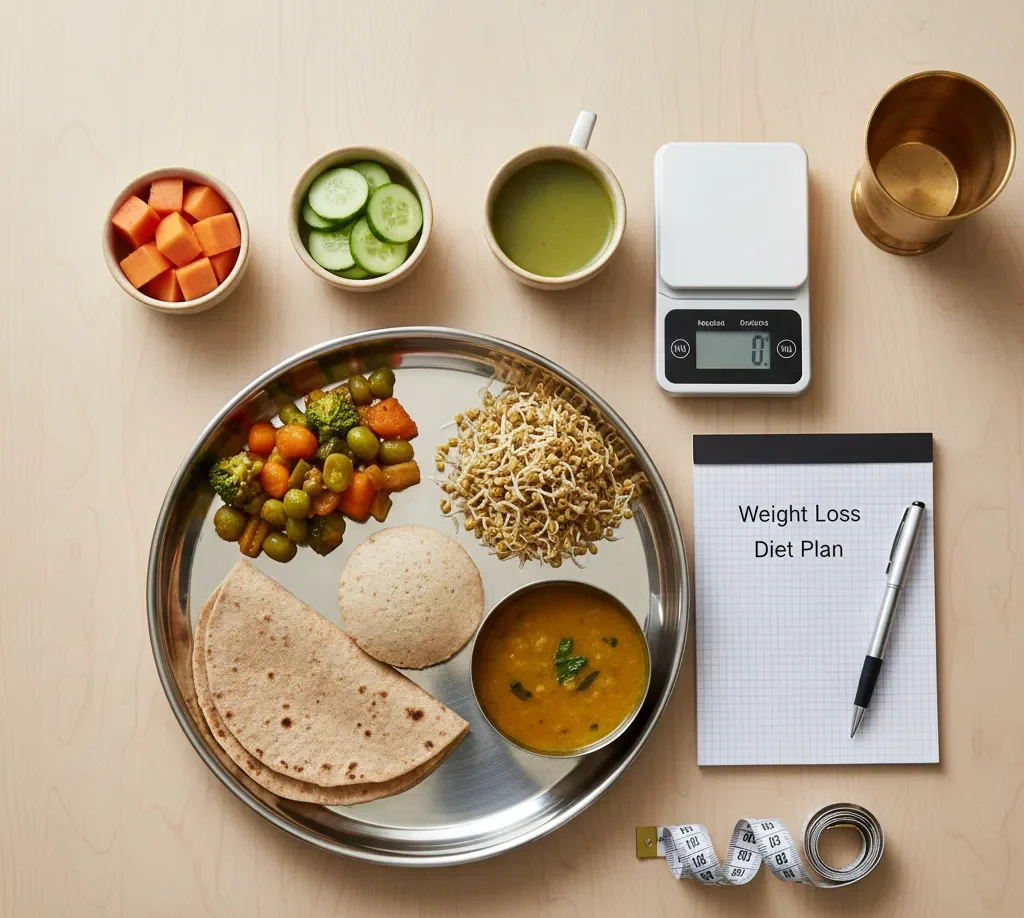
Practical Indian Tip: Many Indian breakfasts are low in protein and high in refined carbohydrates. Better breakfast options include: moong dal chilla, eggs with roti, idli with sambar, sprouts chaat, and paneer sandwich.
Many adults consume sugar repeatedly through: chai, biscuits, packaged drinks, desserts, and flavored coffee.
Habit Swap Table
| Common Habit | Better Alternative |
|---|---|
| Sugary chai | Less sugar tea |
| Fried snacks | Roasted chana |
| Cola | Buttermilk |
| Bakery breakfast | Protein breakfast |
| Chips | Nuts or makhana |
Quick Takeaway: Repeated small sugar intake throughout the day quietly increases calorie intake.
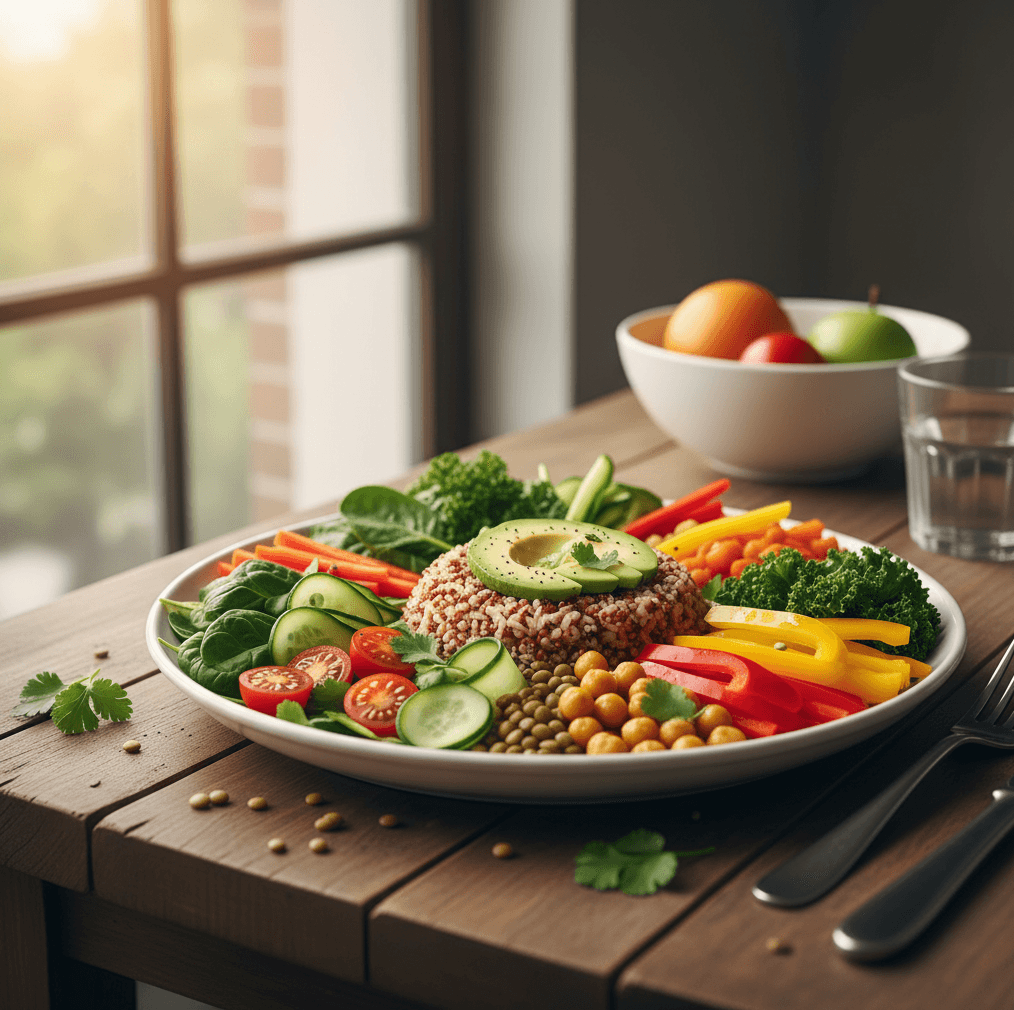
Fibre supports: digestion, gut health, fullness, and blood sugar control. Foods That Help: vegetables, fruits, oats, millets, flaxseeds, chia seeds, and dals.
Practical Tip: Start meals with vegetables before rice or roti.
Walking after meals may support: digestion, blood sugar balance, and calorie burning. Practical Tip: Walk for 10–15 minutes after lunch and dinner. This remains one of the simplest natural ways to reduce belly fat in India.
Research consistently links poor sleep with: increased cravings, emotional eating, weight gain, and metabolic dysfunction. Practical Tip: Aim for 7–8 hours of sleep and reduce screen time before bed.
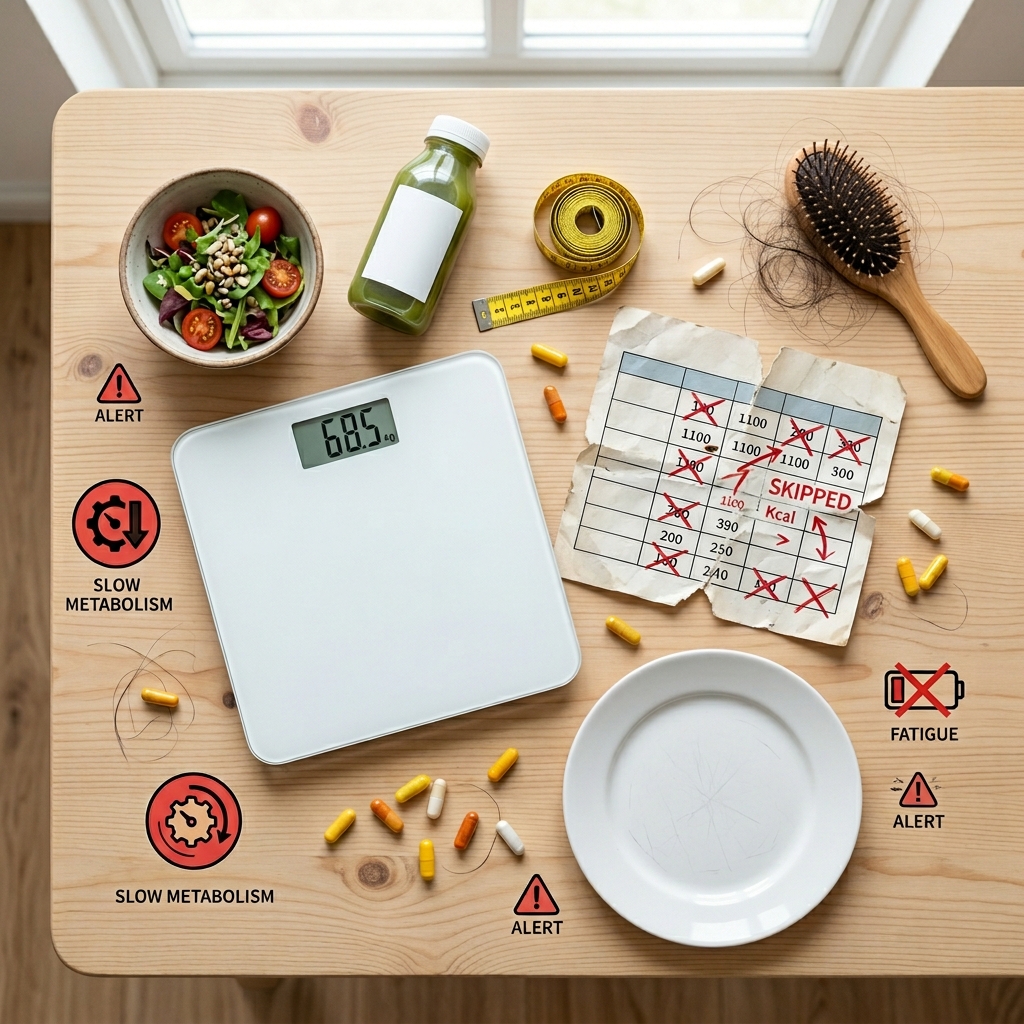
Crash diets may: slow metabolism, increase cravings, reduce muscle mass, and worsen rebound weight gain.
Myth vs Reality
| Myth | Reality |
|---|---|
| Starving burns belly fat faster | Severe restriction often backfires |
| Detox drinks melt fat | Fat loss requires consistent habits |
| Skipping meals helps | It may increase overeating later |
Stress management matters for both mental and metabolic health. Helpful Activities: yoga, meditation, breathing exercises, walking, journaling, and prayer.
Expert Observation: Many people struggling with belly fat are not failing because of one unhealthy meal. Stress-driven eating patterns repeated daily often contribute more to long-term abdominal weight gain.
Strength training supports: muscle maintenance, metabolic health, and calorie burning. Beginner Tip: Start with bodyweight exercises 2–3 times weekly.
Ultra-processed foods often contain: refined flour, unhealthy fats, excess sodium, and additives. Examples include: packaged snacks, instant noodles, bakery foods, and frozen fried foods.
Poor gut health may contribute to: bloating, constipation, inflammation, and poor digestion. Foods That Support Gut Health: curd, buttermilk, fermented foods, and fibre-rich vegetables.
Dehydration may increase: fatigue, cravings, and overeating. Practical Tip: Carry a water bottle during work hours.
Healthy fat loss takes time. The first visible changes usually come from: reduced bloating, lower water retention, and improved digestion. Real fat loss happens gradually over time.
Indian Foods That Help Reduce Belly Fat Naturally
- Jeera (Cumin): Jeera water for belly fat support is commonly used in Indian households. Possible Benefits: digestion support, reduced bloating, and appetite management.
- Methi (Fenugreek): Methi for weight loss India discussions are common because methi contains soluble fibre. Possible Benefits: fullness support and blood sugar balance.
- Ajwain: Ajwain may support digestion and reduce bloating.
- Green Tea: Green tea contains catechins and caffeine that may slightly support metabolism.
- Ginger: Ginger is commonly included in Indian home remedies for belly fat and digestion support.
- Cinnamon: Cinnamon may help support blood sugar control.
- Buttermilk: Buttermilk supports hydration and digestion while being lighter than sugary beverages.
Everyday Indian Habits That Secretly Increase Belly Fat
- Drinking Sugary Tea Multiple Times Daily: Repeated sugar intake from tea quietly increases calorie consumption.
- Late-Night Eating: Heavy dinners close to bedtime may worsen digestion and sleep quality.
- Weekend Overeating: Restaurant meals and delivery foods are often high in: oil, sodium, and calories.
- Eating Too Fast: Fast eating may reduce fullness awareness.
- Skipping Breakfast: Skipping meals may increase cravings and overeating later.
- Sitting for Long Hours: Desk jobs and screen-heavy routines reduce daily movement significantly.
Belly Fat and Menopause
Many women notice increasing belly fat during their late 30s and 40s. Hormonal shifts during menopause may affect: metabolism, fat distribution, sleep quality, and muscle mass. This is why how to reduce belly fat for women India searches often increase during midlife.
Belly Fat and Insulin Resistance
Insulin resistance is one of the most overlooked causes of stubborn belly fat. Common signs may include: fatigue after meals, sugar cravings, difficulty losing weight, and increasing waist size. Improving: movement, protein intake, fibre intake, and sleep quality may support metabolic health over time.
Simple Daily Routine to Lose Belly Fat Naturally
wake up early, drink water, stretch or walk, eat a protein-rich breakfast
Choose: fruit, buttermilk, or coconut water
A balanced belly fat diet plan India approach may include: vegetables, protein, controlled rice or roti portions, and curd
Choose: roasted chana, sprouts, nuts, makhana, or green tea instead of fried snacks daily
eat 2–3 hours before sleep, keep dinner lighter than lunch
Aim for 7–8 hours consistently
Frequently Asked Questions
Yes. Some people reduce belly fat through improved eating habits, better sleep, stress management, and calorie balance. Physical activity improves results further.
Rice alone does not directly cause belly fat. Portion size, inactivity, excess calories, and low protein intake matter more.
Walking supports calorie burning, digestion, and blood sugar control. Combining walking with healthy eating habits works better.
Yes. Long-term stress may increase cortisol and emotional eating patterns.
Protein-rich breakfasts such as moong dal chilla, eggs, sprouts, idli with sambar, and vegetable poha may improve fullness better than sugary breakfast foods.
When Professional Nutrition Guidance May Help
Some people continue struggling with belly fat because the root issue may involve: PCOS, thyroid imbalance, insulin resistance, digestive issues, emotional eating, stress hormones, and nutrient deficiencies.
Relma Gangam from Nourish with Relma works with individuals dealing with: weight management, PCOS, thyroid management, digestive health, pregnancy nutrition, sports nutrition, and skin and hair nutrition. The clinic follows a food as medicine India approach focused on realistic, sustainable nutrition habits instead of extreme restriction.
People searching for: weight loss dietitian Mysore, best dietitian in Mysore, certified nutritionist Mysore, personalized diet plan India, online dietitian consultation India, or diet consultation online India can book online and offline consultations.
Important Health Disclaimer
This article is for educational purposes only and should not replace medical advice. People with: diabetes, thyroid disorders, PCOS, kidney disease, digestive conditions, eating disorders, and pregnancy-related concerns should consult a qualified healthcare professional before making major dietary changes.
Conclusion
Belly fat usually develops slowly through years of stress, poor sleep, irregular meals, low movement, emotional eating, and modern lifestyle habits. Sustainable fat loss rarely comes from shortcuts or aggressive dieting.
For many Indians, small realistic improvements repeated consistently often work better than extreme routines that become impossible to maintain. Improving sleep, reducing sugar intake, increasing protein and fibre, walking regularly, managing stress, improving gut health, and staying physically active may gradually reduce belly fat while supporting overall health.
Real fat loss takes time, but sustainable habits are more likely to create long-term results than temporary fixes.