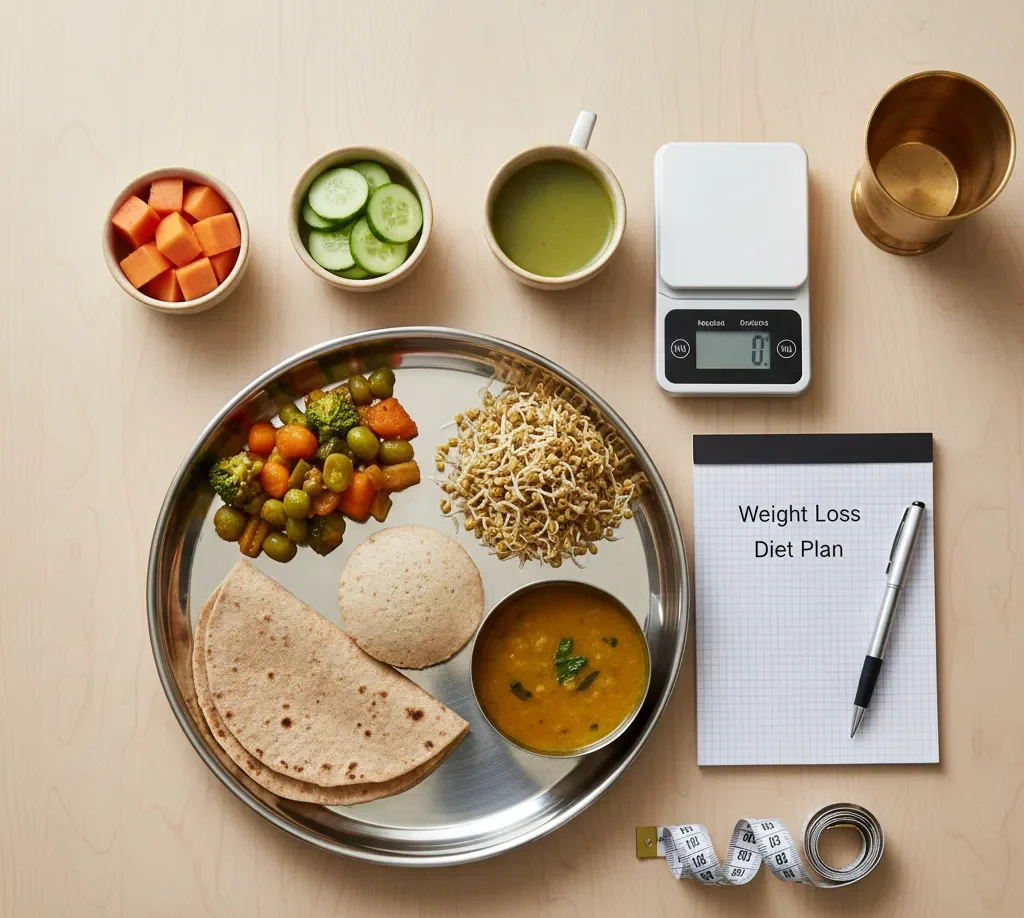
Diabetes Diet Chart for Indian Families Clinical Day Structure for Blood Sugar Stability in Indian Homes
Diabetes Nutrition Management Services at Nourish With Relma focus on structured food planning for Type 2 diabetes, prediabetes, insulin resistance, and long-term blood sugar control. The service is designed for Indian households in Bangalore and nearby regions where meals are shared and based on rice, roti, and traditional preparations.
A key part of this service is the Diabetes Diet Chart for Indian Families, which organizes food intake into a clinical day structure covering early morning, breakfast, mid-morning, lunch, evening, dinner, and bedtime. This structure supports stable post-meal glucose levels and helps reduce HbA1c fluctuations over time.
The plan is built for families who want one kitchen system that works for both diabetic and non-diabetic members without preparing separate meals.
The Household Metabolic Blueprint Diabetes Diet Chart for Indian Families for Shared Indian Kitchens
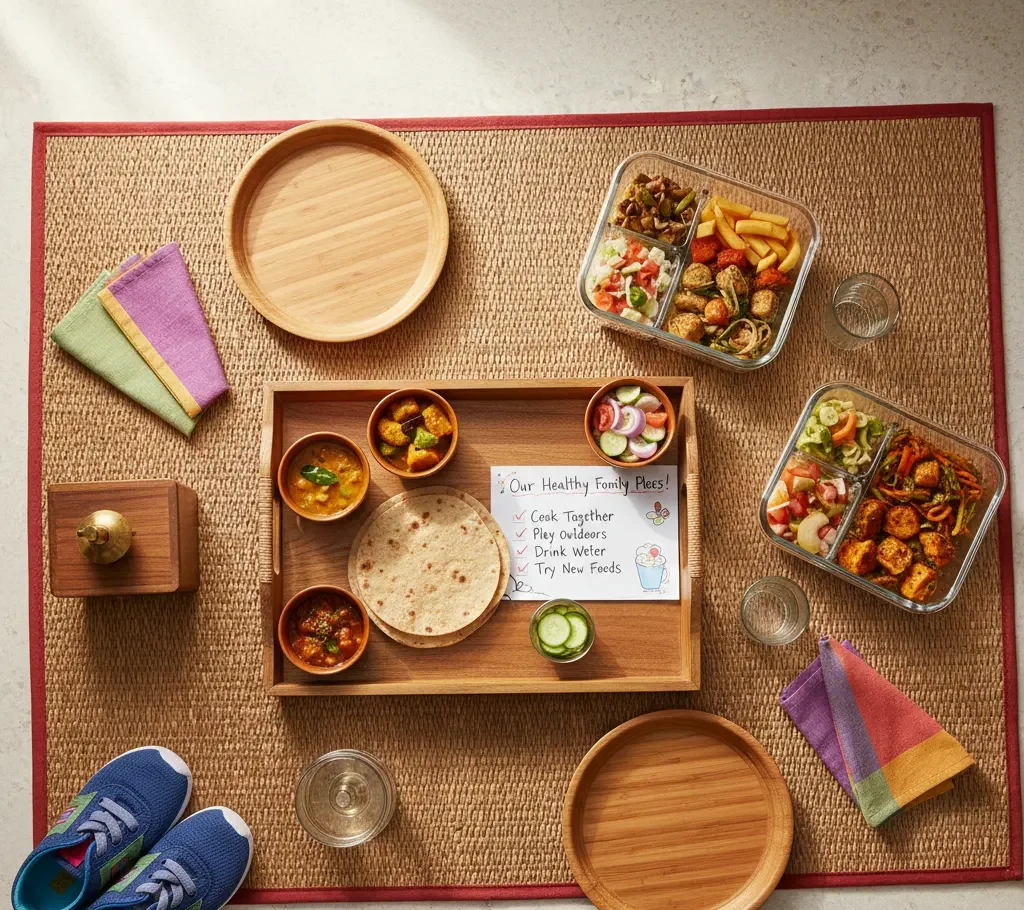
Indian households often cook one meal for all family members, which creates challenges when one person has diabetes. The Diabetes Diet Chart for Indian Families is designed around a shared kitchen model where the same foods are adjusted using portion control, fibre addition, and protein balancing.
Rice, roti, idli, dosa, and lentil-based meals remain part of the diet. The change is not removal but restructuring of quantity, timing, and combination to reduce postprandial glucose spikes.
This approach follows a metabolic principle: carbohydrates alone raise blood sugar faster, while pairing them with fibre and protein slows glucose absorption.
Who This Service Is For
Individuals with elevated fasting glucose, post-meal sugar spikes, or HbA1c imbalance benefit from structured meal timing. The Diabetes Diet Chart for Indian Families helps regulate carbohydrate distribution across the day.
People with insulin resistance or PCOS often experience irregular glucose response after meals. Controlled meal spacing improves insulin sensitivity patterns.
Households consuming rice, dosa, idli, and chapati daily need structured portion guidance instead of elimination-based diets.
Skipped meals and late dinners increase glucose variability and cravings for high-carbohydrate foods.
Older adults require simple, repeatable meal structures that reduce glucose fluctuations without complex food restrictions.
Shared Kitchen Dilemma Diabetes Diet Chart for Indian Families and Hidden Glycaemic Load
Most Indian households rely on refined carbohydrates such as polished white rice, maida-based foods, and packaged snacks. These foods have a high glycaemic index and are rapidly converted into glucose after digestion.
When fibre is removed during processing, digestion becomes faster and blood sugar rises sharply after meals. This leads to postprandial glucose spikes that affect insulin response over time.
Another major issue is irregular meal timing. Skipping breakfast or delaying meals increases liver glucose release, which can raise fasting sugar levels and create unstable hunger patterns later in the day.
The Diabetes Diet Chart for Indian Families corrects this through structured meal timing and balanced carbohydrate distribution.
What We Offer Structured Diabetes Diet Chart for Indian Families and Clinical Nutrition System
The diet plan divides the day into early morning, breakfast, mid-morning, lunch, evening, dinner, and bedtime. This reduces large glucose fluctuations and supports steady energy release.
Meals include moong dal chilla, vegetable oats upma, ragi idli, jowar roti, palak paneer, sprouts chaat, and millet-based dishes. The Diabetes Diet Chart for Indian Families ensures cultural foods remain part of daily life with controlled impact on blood sugar.
White rice, brown rice, and millet-based replacements are included with portion control guidance. The focus is on reducing glycaemic load rather than removing carbohydrates completely.
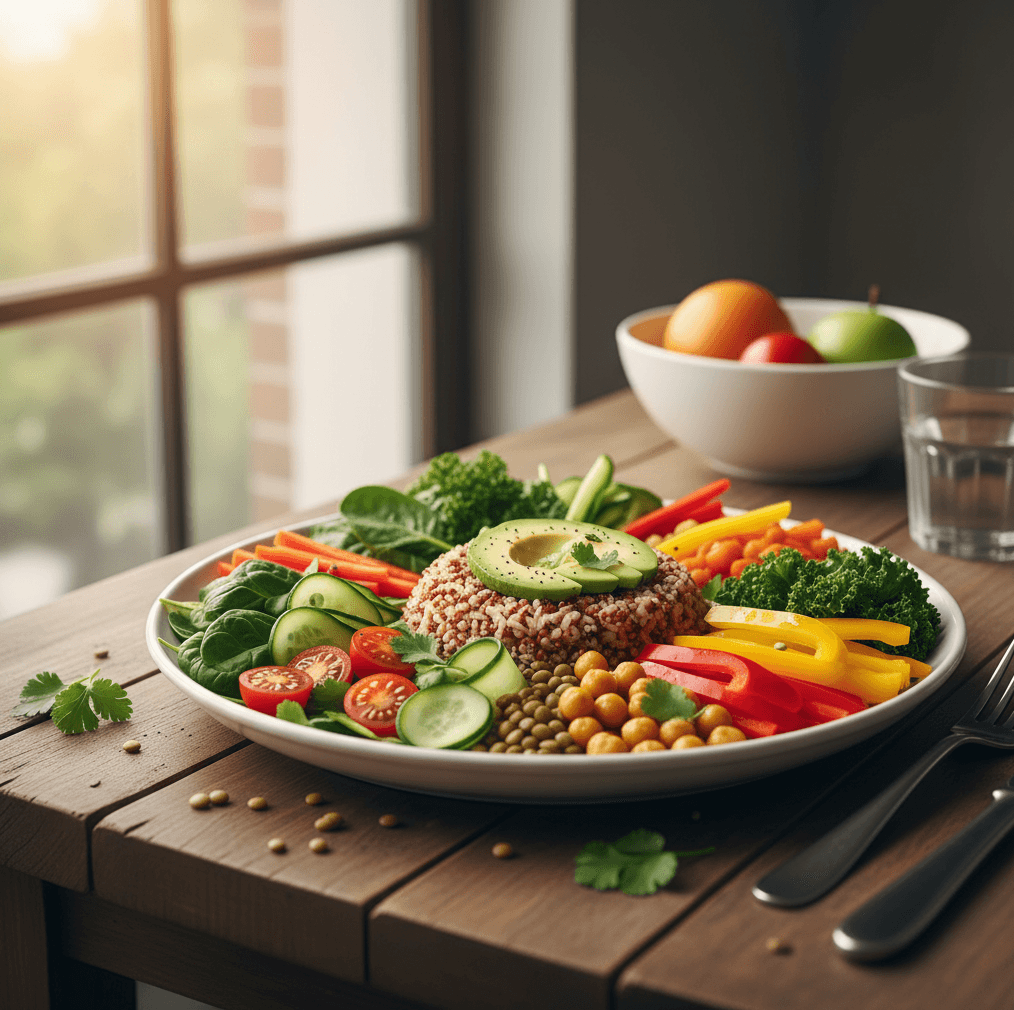
Each meal is structured into three parts: fibre-rich vegetables, protein sources, and controlled carbohydrates. This reduces confusion during daily cooking.
Foods are combined to reduce post-meal sugar spikes. For example, rice is paired with dal and vegetables to slow glucose absorption.
Meal plans are adjusted based on glucose readings, energy levels, and medical feedback.
Our Step-by-Step Clinical Process
Health reports, fasting glucose, post-meal readings, and daily food habits are reviewed.
Family eating patterns, cooking methods, and rice consumption frequency are analysed.
A structured Indian meal framework is created based on metabolic needs and food preferences.
Clients are trained on rice portions, carbohydrate balancing, and meal timing logic.
Meal plans are updated based on glucose trends and lifestyle changes.
Pricing Guidance
Service range in INR
- Initial consultation: ₹800 – ₹1,500
- Monthly diet planning: ₹2,500 – ₹6,000
- Advanced diabetes monitoring plan: ₹6,000 – ₹10,000 per month
Factors influencing cost
- Severity of diabetes and HbA1c levels
- Frequency of follow-ups required
- Level of personalisation in the Diabetes Diet Chart for Indian Families
- Additional conditions like thyroid imbalance or PCOS
Final pricing is confirmed after consultation based on clinical needs.
Local Experience and Service Areas
This service supports families across Bangalore including Whitefield, Indiranagar, Koramangala, Jayanagar, Electronic City, and Yelahanka.
Typical diets in these regions include steamed rice with sambar, curd rice, dosa, idli, lemon rice, and biryani. The Diabetes Diet Chart for Indian Families modifies these meals using portion control, fibre addition, and protein pairing rather than elimination.
This system is designed for joint families where one kitchen serves multiple generations with different metabolic needs.
Realistic Clinical Outcomes
A 42-year-old client followed the structured Diabetes Diet Chart for Indian Families. Within 10–12 weeks, post-meal glucose spikes reduced and fasting readings stabilised.
A 38-year-old client improved rice portion control and meal balance. After 8 weeks, energy levels improved and glucose readings became more stable.
A 66-year-old client improved carbohydrate distribution across meals. HbA1c showed gradual improvement over 3 months based on medical reports.
Results vary depending on medical condition, adherence, medication, and lifestyle factors.
Comparison Right Fit vs Wrong Fit
Suitable for this service:
- Type 2 diabetes and prediabetes cases
- Families consuming rice and traditional Indian meals daily
- Individuals needing structured Diabetes Diet Chart for Indian Families
- People willing to follow meal timing and portion guidance
- Joint families managing shared kitchens
Not suitable for this service:
- Individuals expecting quick reversal without dietary change
- People unwilling to adjust food portions
- Clients looking for extreme restrictive diets
- Those not open to monitoring and follow-up
Frequently Asked Questions
The Diabetes Diet Chart for Indian Families is a structured Indian meal plan designed to control blood sugar through portion control and meal timing. It includes multiple meals per day to reduce glucose spikes. It is based on Indian food patterns and metabolic response principles.
Diabetics can eat white rice in controlled portions depending on their glucose response. The impact depends on quantity, timing, and food combinations. Pairing rice with fibre and protein reduces glucose spikes.
There is no fixed universal amount. Safe intake depends on activity level, medication, and insulin sensitivity. Many individuals benefit from small portions distributed across meals rather than large servings.
Brown rice has more fibre and a lower glycaemic index compared to white rice. However, portion size and meal pairing still determine overall blood sugar impact. Both require moderation.
Millets such as ragi, jowar, and bajra are common replacements. Other options include quinoa and broken wheat. Substitution should be gradual to maintain dietary consistency.
A dietitian creates structured meal plans based on medical reports and daily habits. The Diabetes Diet Chart for Indian Families helps regulate carbohydrate intake and improve post-meal glucose control using Indian foods.
Conclusion
Diabetes Nutrition Management Services at Nourish With Relma provide structured Indian meal planning for long-term blood sugar control. The Diabetes Diet Chart for Indian Families is designed to support stable glucose levels while preserving traditional foods within a shared family kitchen system.
This service is available for clients in Bangalore and nearby regions who need structured dietary support for diabetes management. To begin, book a consultation for a personalised clinical nutrition plan based on your health profile.