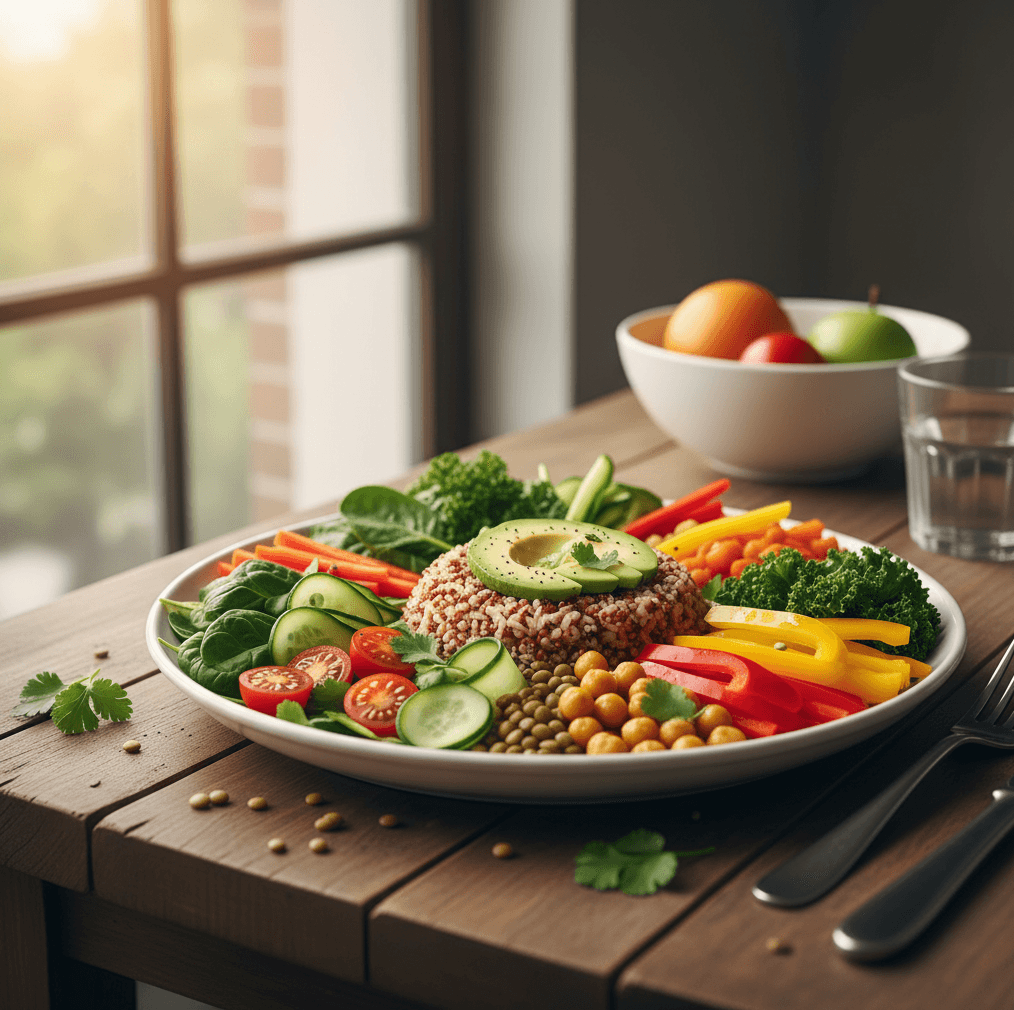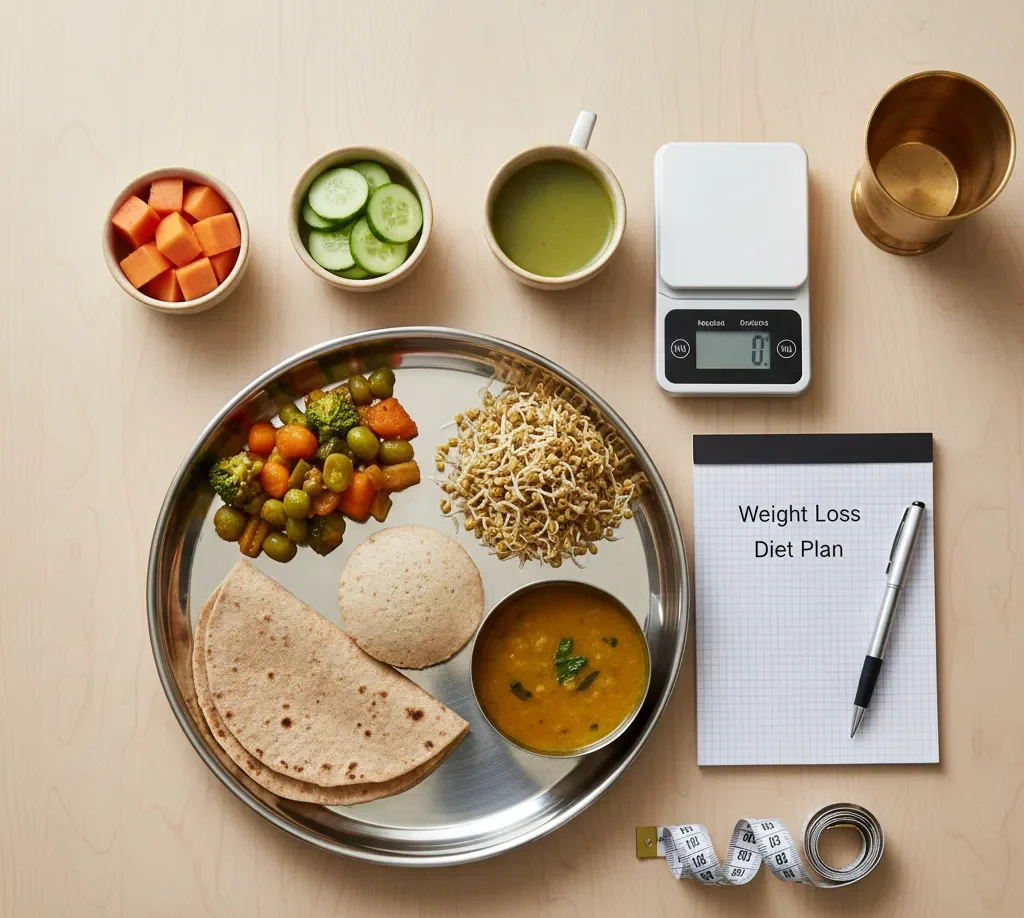
The best Indian breakfast for weight loss is one that keeps you full for longer, supports stable energy, reduces cravings, and fits naturally into Indian eating habits. A balanced breakfast usually contains:
- protein
- fibre
- smart carbohydrates
- minimally processed ingredients
Some of the healthiest Indian breakfast options include:
- moong dal chilla
- vegetable poha with peanuts
- idli with sambar
- oats upma
- paneer bhurji
- sprouts salad
- egg bhurji
- ragi dosa
These meals may help improve satiety, reduce unnecessary snacking, and support fat loss without forcing you to avoid traditional Indian foods.
Best Indian Breakfast for Weight Loss
Breakfast is one of the most misunderstood meals in Indian weight-loss diets.
Many people skip breakfast believing it will reduce calories and speed up fat loss. Others survive on tea and biscuits before rushing into office meetings, traffic, college, or long commute hours. In cities like Bangalore, Mysore, Hyderabad, and Chennai, many working professionals now depend heavily on:
- packaged cereals
- instant foods
- bakery snacks
- protein bars
- food delivery apps
because mornings feel too rushed.
Then the same pattern repeats daily:
This cycle is extremely common in Indian nutrition consultations.
The problem is often not lack of discipline.
The bigger issue is that many Indian breakfasts are:
- low in protein
- low in fibre
- highly refined
- quickly digested
- poor at controlling hunger
This becomes even more difficult for people dealing with:
- PCOS
- thyroid imbalance
- insulin resistance
- stress eating
- poor sleep
- work-from-home snacking
- sedentary office jobs
Modern Indian lifestyles have changed eating behaviour significantly.
Late-night scrolling, long sitting hours, wearable calorie-tracking obsession, Instagram diet misinformation, and rising dependence on ultra-processed foods now affect eating habits far more than many people realize.
That is why the Best Indian Breakfast for Weight Loss is not about eating the smallest breakfast possible.
It is about building meals that:
- slow digestion
- support satiety
- stabilize energy
- reduce rapid hunger return
- work realistically within Indian lifestyles
Why Many Indian Breakfasts Fail for Weight Loss
One major problem in Indian eating patterns is that breakfasts are often very high in refined carbohydrates but low in protein.
Common examples include:
- tea and biscuits
- white bread toast
- sugary cereals
- plain poha
- bakery buns
- packaged juices
These meals digest quickly and often fail to keep people full for long.
The Indian Breakfast Hunger Trap
This is a pattern commonly observed among office workers and students:
Many people think they are “always hungry” because of poor willpower.
In reality, meal structure is often the real problem.
Protein-rich meals digest more slowly and may help regulate hunger hormones better than low-fibre refined breakfasts.
Instead of simply saying:
“protein keeps you full”
it is more accurate to say:
Protein slows gastric emptying and reduces rapid hunger return compared to refined-carb breakfasts like tea and biscuits.
This becomes especially important for:
- PCOS
- insulin resistance
- sedentary lifestyles
- stress-related eating patterns
What Indian Health Trends Are Showing
Urban Indian lifestyles have changed dramatically over the last decade.
Many adults now:
- sit for long hours
- sleep less
- depend heavily on caffeine
- skip meals
- order food frequently
- eat while working
This has contributed to rising concerns related to:
- obesity
- metabolic health
- insulin resistance
- digestive problems
- hormonal imbalance
Indian nutrition surveys and dietary observations also suggest that many Indian diets remain lower in protein than recommended despite adequate calorie intake.
Research on satiety and appetite regulation suggests that higher-protein breakfasts may help:
- reduce hunger later in the day
- improve fullness
- support better calorie control
- reduce unnecessary snacking
Breakfast skipping does not automatically cause weight gain for everyone.
However, many Indians who skip breakfast compensate later with:
- high-calorie snacks
- sugary chai
- oversized lunches
- emotional eating during stress
This nuance is important.
What We Commonly Observe in Indian Weight-Loss Consultations
Many women with PCOS report:
- intense evening cravings
- irregular eating schedules
- emotional eating during stress
- dependence on tea for energy
Among Bangalore and Mysore IT employees, another pattern appears frequently:
By evening, hunger becomes extremely difficult to control.
Hostel students often depend heavily on:
- bread-based breakfasts
- instant noodles
- packaged snacks
because of convenience and budget limitations.
Work-from-home professionals frequently struggle with:
- continuous grazing
- irregular meal timing
- boredom eating
- low movement throughout the day
These patterns matter because appetite regulation is strongly connected with:
- sleep quality
- meal composition
- stress hormones
- eating routine
- food quality
The 4-Part Indian Weight Loss Breakfast Formula
Instead of memorizing random diet meals, it is easier to follow a simple breakfast structure.
A balanced Indian breakfast for fat loss usually contains:
| Component | Why It Matters | Indian Examples |
|---|---|---|
| Protein | Slows hunger return and improves satiety | Eggs, paneer, curd, dal, sprouts |
| Fibre | Slows digestion and improves fullness | Vegetables, oats, fruits, seeds |
| Smart Carbohydrates | Provides stable energy | Poha, millets, daliya, oats |
| Hunger-Control Foods | Helps meal satisfaction | Peanuts, curd, chia seeds |
This framework is more sustainable than extreme dieting.
Breakfast Fullness Score Table
| Breakfast | Fullness Score | Protein Score | Office-Friendly |
|---|---|---|---|
| Tea & Biscuits | Low | Very Low | Yes |
| Plain Cornflakes | Low | Low | Yes |
| Vegetable Poha + Curd | Moderate-High | Moderate | Yes |
| Moong Dal Chilla | High | High | Moderate |
| Egg Bhurji | High | High | Yes |
| Sprouts Salad | Moderate-High | Moderate | Moderate |
| Paneer Bhurji | High | High | Yes |
This type of comparison helps readers understand why some breakfasts control hunger better than others.
12 Best Indian Breakfast Options for Weight Loss
Calories: 220–280
Protein: 14–20g
Fibre: 5–7g
Moong dal chilla is one of the strongest protein-rich breakfast options in Indian diets.
Unlike refined breakfasts, it digests more slowly and usually keeps people full for longer.
Dietitian Observation
People who switch from tea-and-toast breakfasts to moong dal chilla often report:
- fewer cravings
- more stable energy
- reduced evening snacking
Quick Upgrade
Adding:
- spinach
- paneer
- coriander
- grated carrot
improves both protein and fibre density.
Particularly Helpful For
- PCOS-related cravings
- long office hours
- gym beginners
- appetite control
Calories: 250–320
Protein: 7–10g
Fibre: 4–6g
Poha is often misunderstood in weight-loss diets.
The problem is usually not poha itself.
The real issue is:
- oversized portions
- excess oil
- low protein balance
- sugary chai pairing
Common Indian Breakfast Mistake
Many people eat only poha without vegetables or protein additions.
This causes faster hunger return.
Better Fat-Loss Combination
Poha + curd + peanuts + vegetables
This creates:
- better satiety
- slower digestion
- improved meal balance
Calories: 220–300
Protein: 8–12g
Fibre: 4–5g
Idli remains one of the best South Indian breakfast for weight loss options when portions are balanced.
Why Fermented Foods Matter
Fermented foods may support:
- digestion
- gut microbiome balance
- appetite regulation
Emerging research increasingly connects gut health with metabolic health and hunger patterns.
What Usually Goes Wrong
Many people eat:
- too many idlis
- very little sambar
- large chutney quantities
which reduces meal balance.
Calories: 180–250
Protein: 10–14g
Fibre: 4–5g
Besan cheela works especially well for busy Indian mornings.
Why Many Professionals Prefer It
- quick preparation
- affordable ingredients
- portable
- filling texture
Myth vs Reality
Myth:
Healthy breakfasts must be expensive or imported.
Reality:
Simple Indian meals often work better long term than packaged “diet foods.”
Calories: 220–280
Protein: 8–10g
Fibre: 5–7g
Many Indians dislike oats because they only try sweet instant versions.
Savory oats recipes work much better for appetite control.
Why It Feels More Filling
Oats contain soluble fibre, which slows digestion and may reduce rapid hunger return.
Avoid This
Flavored instant oats often contain:
- sodium
- additives
- hidden sugars
Calories: 280–350
Protein: 18–22g
Fibre: 4–5g
This is one of the most filling vegetarian breakfasts.
Particularly Useful For
- vegetarians
- gym-goers
- women struggling with cravings
- people reducing snack intake
Typical Mistake
Too much butter and oil can quickly increase calories.
Calories: 220–300
Protein: 16–20g
Fibre: 2–4g
Egg bhurji remains one of the most practical protein-rich breakfasts.
Real-Life Pattern
Many office workers report better concentration and fewer cravings after protein-rich breakfasts compared to sugary breakfasts.
Better Combination
Egg bhurji + vegetables + whole wheat toast
works better than:
- pav
- sugary chai
- butter-heavy combinations
Calories: 180–250
Protein: 12–16g
Fibre: 6–8g
Sprouts are useful for people struggling with frequent hunger.
What Makes This Filling
The combination of:
- fibre
- water content
- plant protein
helps improve satiety naturally.
Better Taste Strategy
Adding:
- lemon juice
- onion
- cucumber
- coriander
- chaat masala
makes sprouts more satisfying.
Calories: 200–280
Protein: 6–8g
Fibre: 4–5g
Ragi digests more slowly than refined grains.
Why It Works Well for Sedentary Lifestyles
People sitting for long hours often benefit from meals that support steadier energy release instead of rapid hunger spikes.
Particularly Helpful For
- insulin resistance
- PCOS
- desk jobs
- long commutes
Calories: 220–300
Protein: 7–9g
Fibre: 5–7g
Daliya remains underrated in many Indian diets.
Why Slow Digestion Matters
Slow-digesting meals may help:
- reduce rapid blood sugar spikes
- control hunger better
- improve meal satisfaction
Calories: 200–280
Protein: 10–15g
Fibre: 3–5g
Curd-based breakfasts work especially well during hot Indian weather.
Gut Health and Appetite
Emerging nutrition research increasingly links gut health with:
- digestion
- appetite regulation
- inflammation
- metabolism
Calories: 300–380
Protein: 14–18g
Fibre: 5–6g
Parathas are not automatically unhealthy.
The Real Problem
Usually:
- excess butter
- oversized portions
- low protein balance
cause calorie overload.
Better Approach
Use:
- multigrain flour
- less oil
- protein-rich filling
- curd instead of butter-heavy sides
Indian Breakfast Myths That Confuse Weight Loss
Not always.
Some people manage well with delayed eating.
But many Indians compensate later with:
- overeating
- sugary tea
- emotional snacking
Many traditional breakfasts are balanced when portions and cooking methods are improved.
Simple Indian meals like:
- chilla
- idli
- poha
- sprouts
- daliya
can work extremely well.
Suggested Visual Sections for Better SEO Engagement
Recommended Graphics
- Tea & Biscuits vs Protein Breakfast comparison
- Indian Breakfast Protein Chart
- PCOS-Friendly Breakfast Plate
- Poha Portion Size Visual
- Satiety Score Comparison Table
- Good vs Poor Breakfast Plate Infographic
- Belly Fat Trigger Foods vs Balanced Breakfasts
These visuals can improve:
- image SEO
- dwell time
- Pinterest discoverability
- featured snippet opportunities
Internal Topic Cluster Ideas
This article can internally connect with related topics such as:
- Indian foods that secretly cause weight gain
- Best Indian lunch for weight loss
- Healthy Indian snacks for evening cravings
- PCOS diet plan India
- Belly fat causes in Indian lifestyles
- Weight-loss myths in India
- Thyroid-friendly Indian foods
This improves topical authority significantly.
Quick Interactive Breakfast Checklist
Before eating breakfast, ask:
- Does this meal contain enough protein?
- Will it keep me full for 3–4 hours?
- Is it mostly homemade?
- Does it contain vegetables or fibre?
- Am I eating because of hunger or stress?
If most answers are “yes,” the breakfast is usually balanced better.
Frequently Asked Questions
Yes, especially when paired with protein sources like peanuts or curd.
Yes. Portion size and meal balance matter more than avoiding idli completely.
Yes, when prepared with balanced fillings and controlled oil.
Moong dal chilla, egg bhurji, paneer bhurji, and sprouts are among the best options.
Not directly for everyone. But many people compensate later with overeating and snacking.
Final Thoughts
The best Indian breakfast for weight loss is not about extreme dieting or avoiding traditional foods.
It is about building meals that:
- improve satiety
- support stable energy
- reduce cravings
- fit Indian lifestyles realistically
Many people struggling with:
- PCOS-related weight gain
- thyroid imbalance
- emotional eating
- stress-related snacking
- repeated dieting failures
often need structured nutrition guidance rather than random internet diet advice.
If cravings, hormonal issues, digestive discomfort, or repeated weight-loss failures continue despite lifestyle changes, personalized nutrition support may help identify deeper eating patterns instead of relying on restrictive diet trends.
Relma Gangam from Nourish with Relma provides science-backed nutrition guidance for weight management, PCOS & PCOD, digestive health, thyroid management, sports nutrition, pregnancy nutrition, and sustainable eating habits through both online and offline consultations.