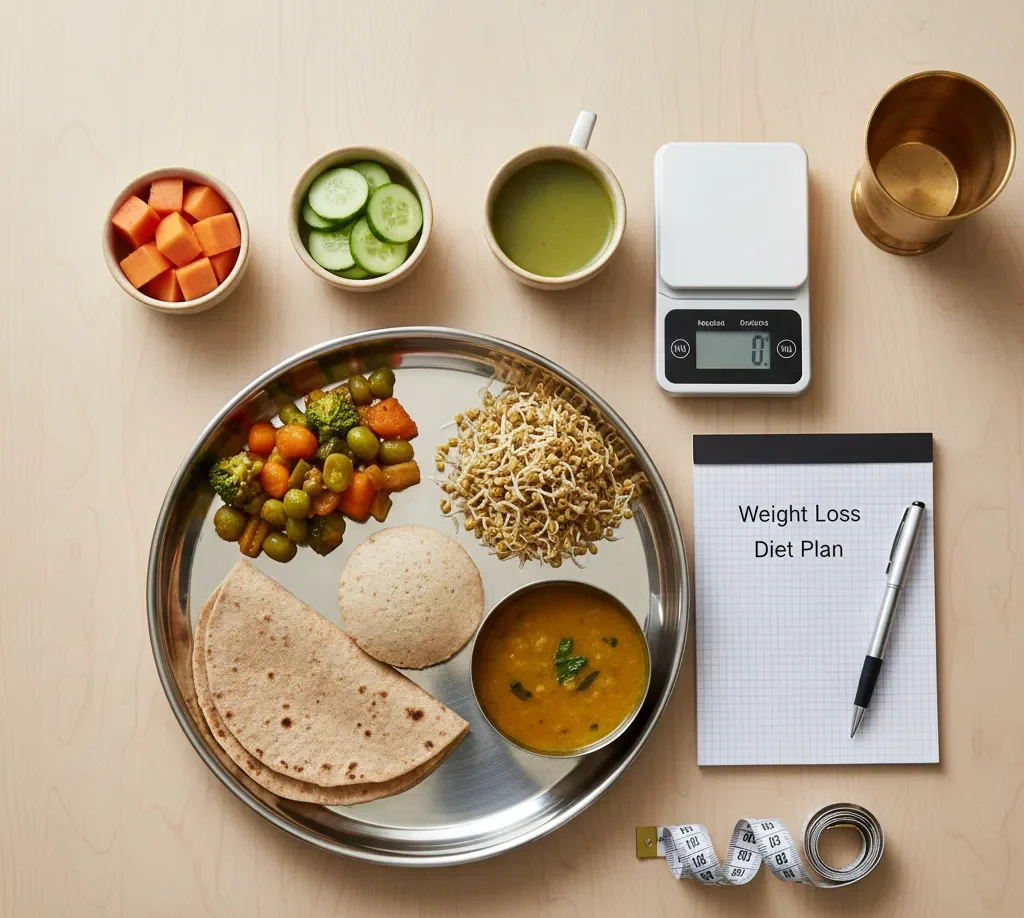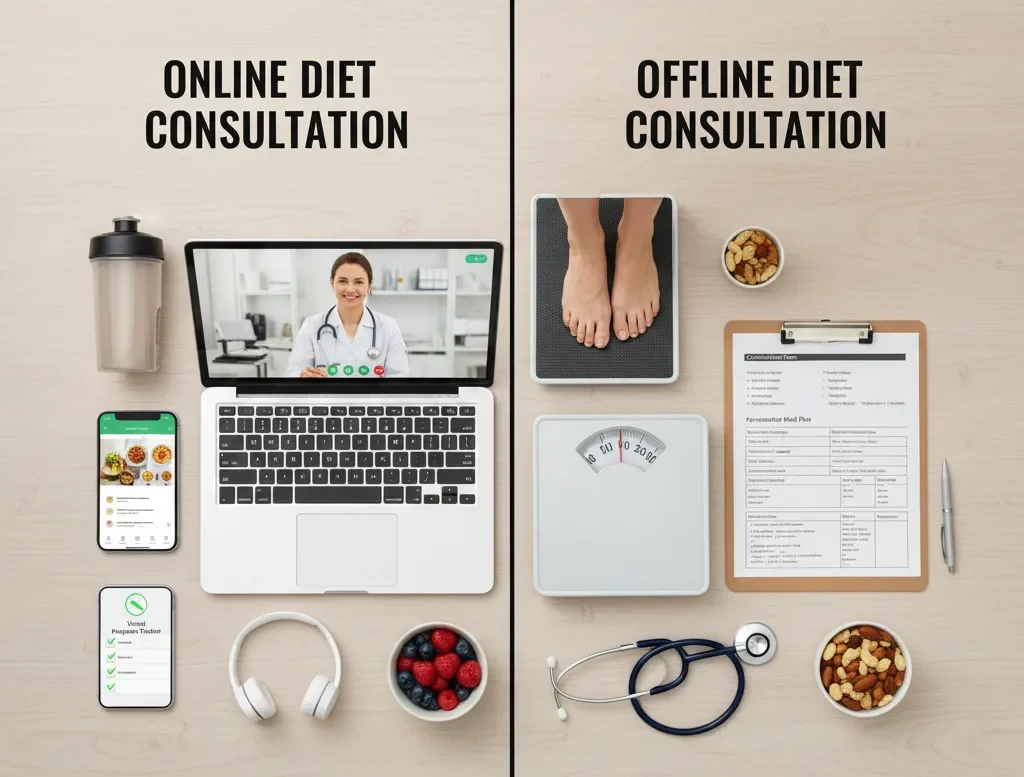
Diabetes Nutrition Management Services at Nourish With Relma provide structured dietary guidance for individuals managing Type 2 diabetes, insulin resistance, and prediabetes. The service is available in Angondhalli, Karnataka, India, and online for clients across India.
A major concern in Indian diets is understanding rice and diabetes, especially how staple meals like rice, idli, dosa, and biryani affect blood sugar levels.
This service is designed using clinical nutrition principles, glycaemic index understanding, and Indian dietary patterns to help individuals manage carbohydrate intake without unnecessary food elimination.
The focus is on improving postprandial glucose response, stabilising HbA1c levels, and creating realistic meal structures for daily life.
Is Rice Bad for Diabetes? Understanding the Real Blood Sugar Impact
The question often asked is whether rice must be completely avoided in diabetes management. In clinical nutrition practice, rice is not classified as “bad,” but as a carbohydrate that requires portion control and meal balancing.
White rice has a higher glycaemic index compared to fibre-rich grains. This means it can raise blood glucose faster after meals, especially when eaten in large quantities without protein or fibre.
However, the actual glucose response depends on:
- portion size
- meal composition
- physical activity level
- individual insulin sensitivity
In Indian diets, rice is usually eaten with dal, vegetables, and curd, which slows glucose absorption. This is an important factor in diabetes-friendly meal planning.
Why Rice Behaves Differently in Indian Diabetes Diets
In Karnataka and other South Indian regions, rice is consumed in multiple forms throughout the day. This makes carbohydrate management more important than elimination.
Common meals include:
- plain rice with sambar
- curd rice
- lemon rice
- idli and dosa batter-based foods
- biryani
Each of these has a different impact on blood sugar due to oil content, fermentation, fibre level, and portion size. Understanding rice and blood sugar response in this cultural context is essential for sustainable diabetes control.
Who This Service Is Designed For
Individuals experiencing post-meal glucose spikes benefit from structured carbohydrate planning and portion control strategies.
Early intervention helps reduce progression by improving meal balance and reducing high glycaemic load meals.
People consuming rice daily often struggle with glucose fluctuations linked to portion size and meal timing.
Irregular meals and reliance on outside food increase uncontrolled rice intake and inconsistent glucose levels.
Traditional rice-based diets require modification without removing familiar foods.
Common Challenges With Rice and Blood Sugar Control
- Misunderstanding rice restriction: Many assume rice must be fully removed, leading to unnecessary dietary stress and poor adherence.
- Post-meal glucose spikes: Large portions of white rice without fibre or protein often cause rapid glucose elevation after meals.
- Confusion between rice types: Switching between white rice, brown rice, and millets without understanding glucose response often leads to inconsistent results.
- Cultural dependence on rice meals: Staple foods like dosa, idli, and curd rice cannot be easily removed from daily diets.
- Lack of portion awareness: Most individuals do not measure cooked rice, leading to hidden carbohydrate excess.
- Glycaemic index confusion: GI values are often misunderstood without considering full meal combinations and glycaemic load.
What We Offer in Diabetes Nutrition Management
- Personalised dietary planning: Structured plans based on glucose response, lifestyle, and food preferences with focus on Indian meals.
- Rice tolerance analysis: We assess individual response to rice intake and adjust portion size and timing accordingly.
- Blood sugar interpretation support: Clients learn how fasting and post-meal readings relate to specific food patterns.
- Portion control system for Indian meals: Household-based measurement techniques help control rice intake without complex tracking tools.
- Traditional meal modification: Indian meals such as curd rice, lemon rice, and sambar rice are adjusted for better glucose stability.
- HbA1c-focused dietary structure: Meal planning supports long-term improvement in HbA1c through consistency and balanced carbohydrate intake.
Best Way to Eat Rice for Diabetes (Practical Guidelines)
Smaller portions of cooked rice reduce post-meal glucose spikes significantly.
Pair rice with dal, vegetables, eggs, or paneer to slow glucose absorption.
Rice is generally better tolerated earlier in the day due to higher activity levels.
Parboiled rice, brown rice, or mixed grains may produce slower glucose response in some individuals.
Eating rice alone increases glycaemic load and leads to sharper glucose rise.
These principles are used in clinical planning based on Indian dietary studies and glycaemic response patterns.
Rice and Blood Sugar Comparison Overview
| Food Type | Blood Sugar Response | Fibre Level | Diabetes Suitability |
|---|---|---|---|
| White rice | Higher | Low | Needs strict portion control |
| Brown rice | Moderate | Medium | Better option for many |
| Parboiled rice | Moderate | Medium | Often more stable response |
| Millet-based meals | Lower | High | Preferred in many cases |
| Mixed grain meals | Lower to moderate | High | More stable glucose response |
Step-by-Step Nutrition Process
Current eating habits, glucose readings, and lifestyle patterns are reviewed.
Daily carbohydrate distribution is analysed across meals.
Targets are defined for fasting glucose, post-meal response, and HbA1c improvement.
A personalised plan is designed based on clinical nutrition principles and Indian food habits.
Plans are refined every 2–4 weeks based on real glucose response data.
Pricing Structure
Monthly nutrition management plans range from ₹2,500 to ₹7,500 depending on complexity and follow-up requirements.
Single consultation sessions range from ₹800 to ₹2,000.
Pricing depends on:
- severity of diabetes or insulin resistance
- level of meal customisation required
- frequency of follow-ups
- online or in-person support
Final pricing is confirmed after initial assessment.
Local Diet Context: Angondhalli and Karnataka Eating Patterns
Clients from Angondhalli, Karnataka, and nearby regions commonly consume rice-based meals multiple times daily. Typical foods addressed in planning include:
- plain rice with sambar
- curd rice
- lemon rice
- idli and dosa
- vegetable biryani
Meal plans are designed to work within these habits rather than replacing them completely. This approach improves long-term adherence and supports stable blood sugar control.
Realistic Client Outcomes
A client with Type 2 diabetes improved post-meal glucose stability within 8–10 weeks after structured rice portion control and meal balancing.
Another client with prediabetes reduced fasting glucose variation within 6–8 weeks after adjusting carbohydrate timing and meal composition.
A third client with long-term diabetes achieved more stable HbA1c trends over 3 months through consistent dietary restructuring.
Outcomes vary depending on lifestyle, medical condition, and adherence.
Right Fit vs Wrong Fit
Who Should Choose This Service:
- Individuals managing Type 2 diabetes or prediabetes
- People experiencing post-meal glucose spikes
- Those with high rice-based diets
- Individuals seeking structured Indian meal planning
- People willing to track basic food and glucose patterns
Who Should Not Choose This Service:
- Individuals expecting immediate reversal of diabetes
- People unwilling to adjust portion sizes
- Those seeking diet-only cure without medical care
- Individuals not open to dietary tracking or follow-up
Frequently Asked Questions
Rice is not inherently harmful in diabetes, but portion size and meal composition determine its impact. Large servings of white rice can increase blood sugar quickly, while balanced meals reduce this effect.
Yes, white rice can be included in controlled portions. It should always be paired with fibre and protein to reduce post-meal glucose spikes.
There is no fixed universal amount. Many individuals manage well with small portions per meal depending on their glucose response and activity level.
Brown rice generally causes a slower glucose rise due to higher fibre content. However, individual response varies, so monitoring is important.
Options include millets, quinoa, mixed grains, and vegetable-based alternatives. Many people still include rice with controlled portions instead of full replacement.
A dietitian studies eating patterns, glucose readings, and lifestyle habits to create structured meal plans that improve blood sugar control through realistic dietary changes.
Book Your Diabetes Nutrition Consultation
If you are managing blood sugar concerns and still unsure about rice intake, portion size, or daily meal structure, a structured nutrition plan can help bring clarity.
Book a personalised diabetes nutrition consultation with Nourish With Relma to understand your rice tolerance, ideal portion size, and daily meal plan based on your blood sugar response and lifestyle in Angondhalli, Karnataka.