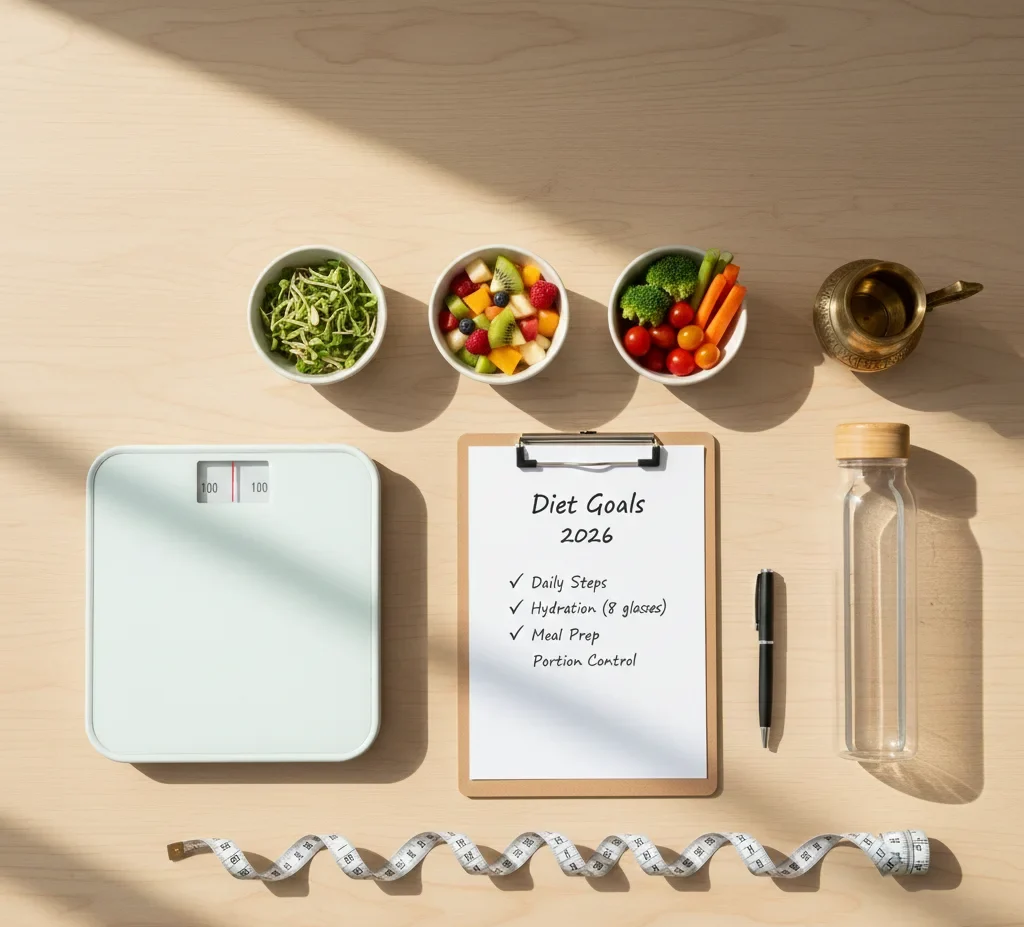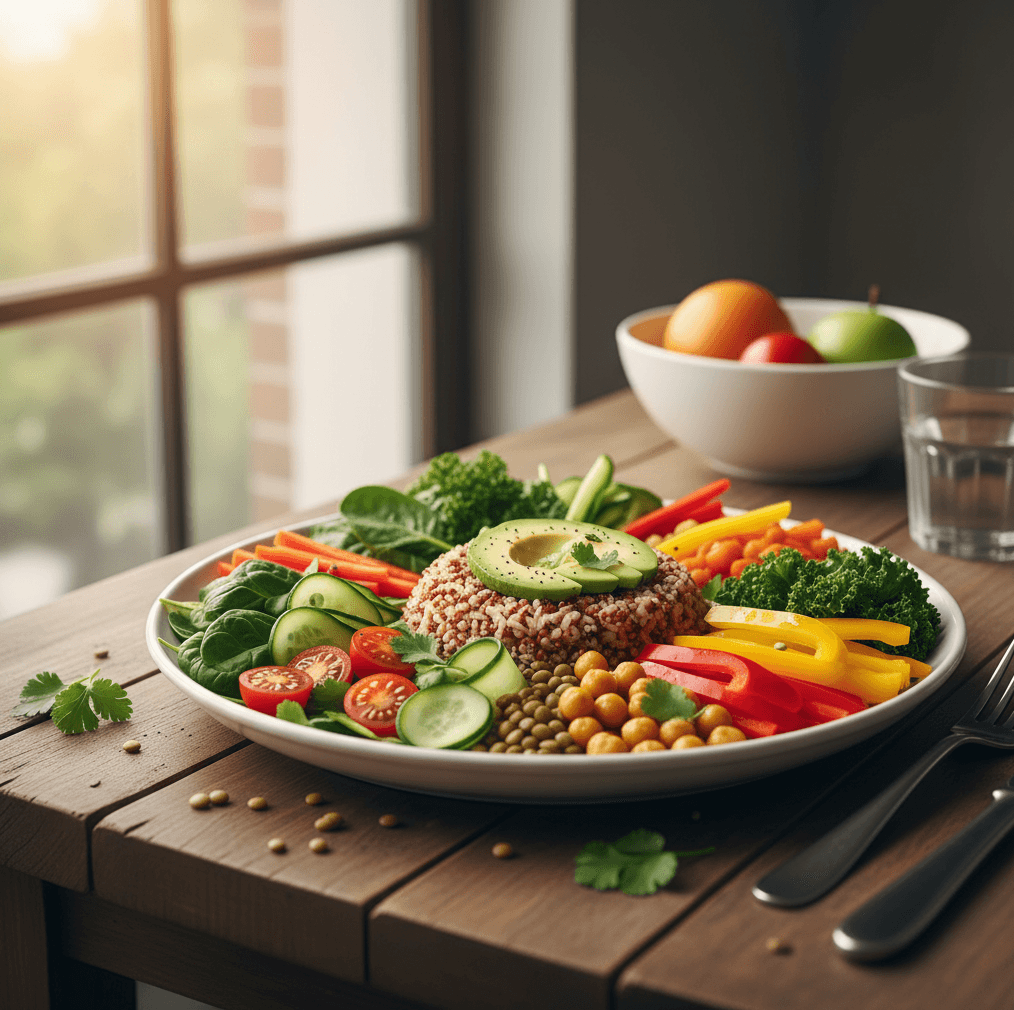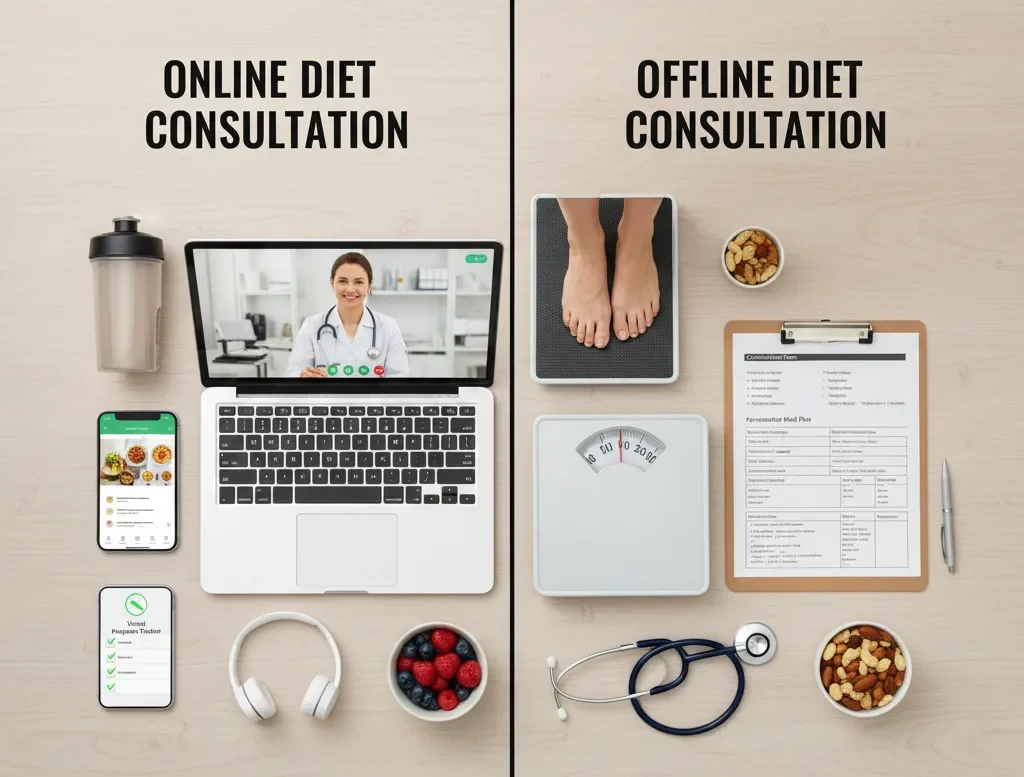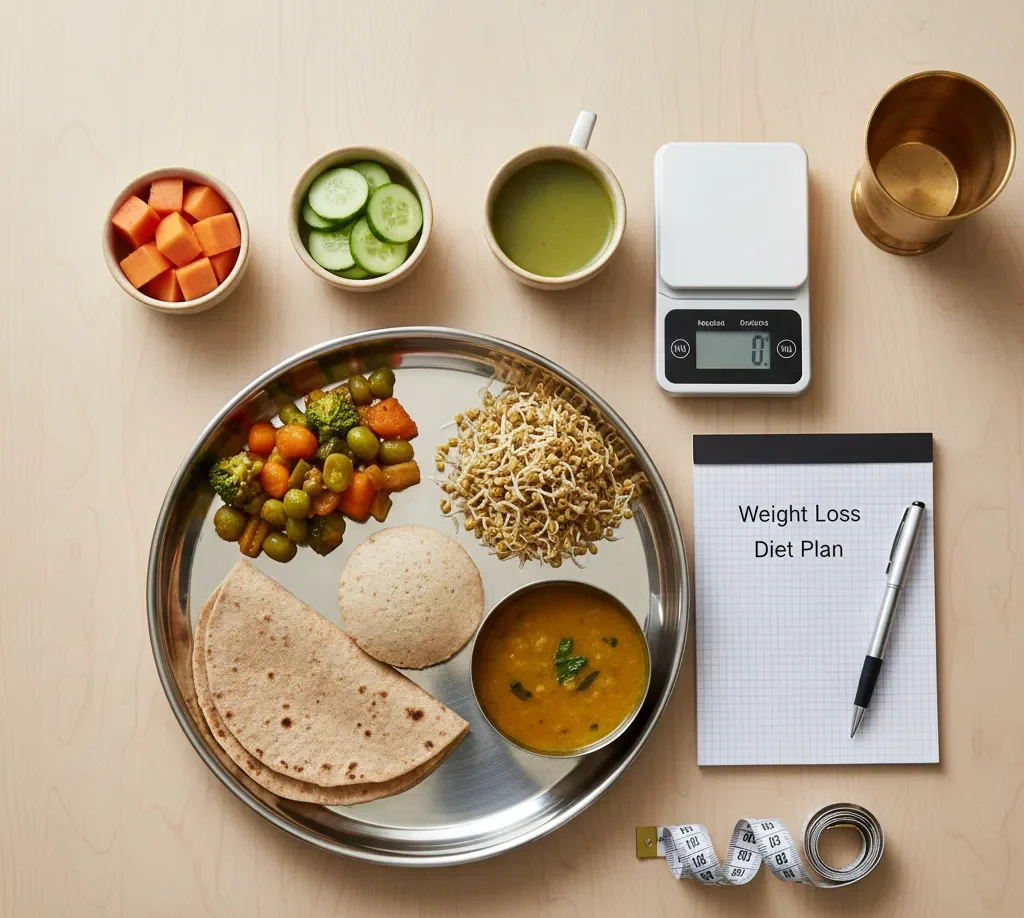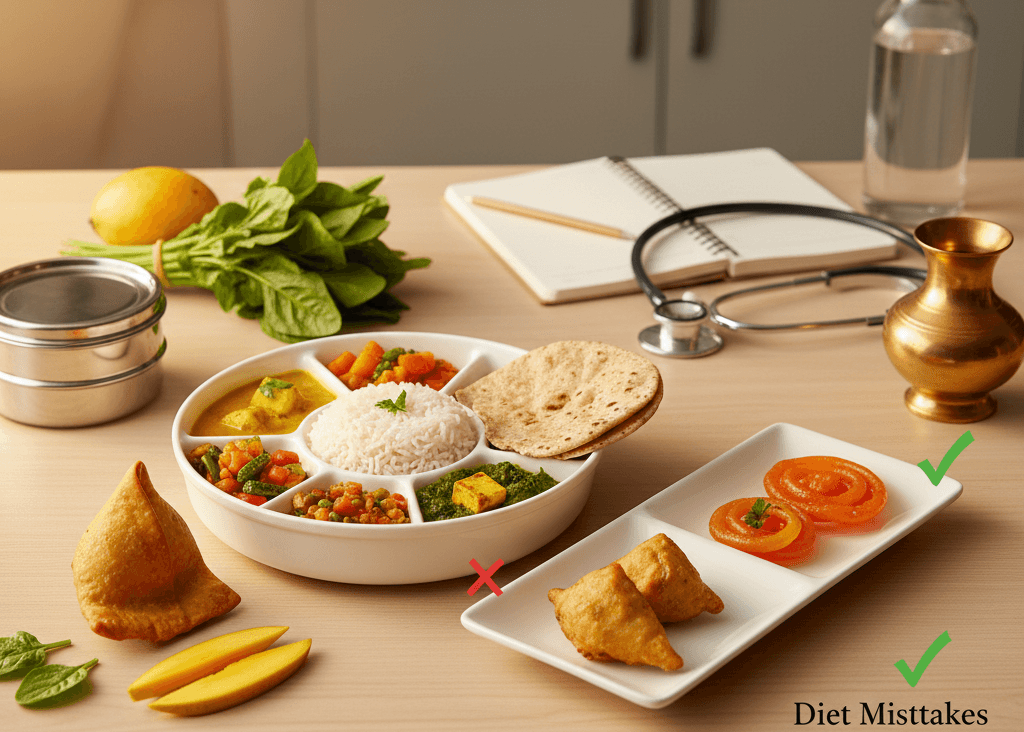
Diabetes Nutrition Management Services at Nourish With Relma focus on structured medical nutrition planning for individuals living with Type 2 diabetes, insulin resistance, and thyroid imbalance conditions such as Hypothyroidism. The service supports people who experience unstable blood sugar levels after common Indian meals, especially rice-based dishes, and those who also struggle with metabolic slowdown linked to thyroid dysfunction.
The Best Diet for Hypothyroidism is not a cure or replacement for medication. It is a structured nutritional framework that supports hormone stability, improves energy utilization, and reduces post-meal glucose fluctuations. This approach becomes more important when Diabetes and thyroid imbalance occur together, since both conditions influence insulin response, appetite regulation, and metabolic rate.
The Best Diet for Hypothyroidism is used here as a clinical nutrition strategy that works alongside prescribed medication, not as a standalone solution.
Medical Reality: Diet Cannot Replace Thyroid or Diabetes Medication
The first principle of this service is medical clarity. No food pattern, supplement, or diet structure can replace levothyroxine or diabetes medication.
The Best Diet for Hypothyroidism supports metabolic balance by improving nutrient intake and reducing inflammation, but it does not correct hormone deficiency on its own. Thyroid hormone replacement and glucose-lowering medications remain the foundation of treatment.
Diet plays a supportive role in:
- stabilizing post-meal glucose response
- improving nutrient absorption efficiency
- reducing fatigue linked to metabolic slowdown
- supporting consistent energy production

Who This Service Is Designed For
People who experience post-meal glucose spikes after rice, roti, or mixed Indian meals benefit from structured carbohydrate control and portion regulation strategies.
The Best Diet for Hypothyroidism supports metabolic rate regulation by ensuring proper intake of selenium, zinc, iodine balance, and stable meal timing patterns.
When both conditions exist together, insulin resistance and hormone imbalance interact, making glucose control more complex without structured meal planning.
Insulin resistance leads to higher postprandial glucose levels even with moderate carbohydrate intake, requiring careful food combination strategies.
Unstructured meals, skipped breakfasts, or late-night eating contribute to unstable glucose and hormone fluctuations.
Core Mechanisms Behind Blood Sugar and Thyroid Imbalance
Rice contains starch that breaks down quickly into glucose during digestion. The glycaemic load increases further when rice is eaten alone without fiber or protein. This leads to post-meal glucose spikes and insulin overload.
The Best Diet for Hypothyroidism considers not just food type but also digestion speed, meal composition, and insulin response timing.
Thyroid hormone T4 must convert into T3 for active energy use inside cells. This conversion depends on selenium-dependent deiodinase enzymes. Low selenium intake or chronic inflammation can slow this process, reducing metabolic efficiency.
In insulin resistance, cells do not respond effectively to insulin signals. Glucose remains in the bloodstream longer, increasing HbA1c levels over time. This condition often overlaps with thyroid imbalance.
Common Problems Clients Experience
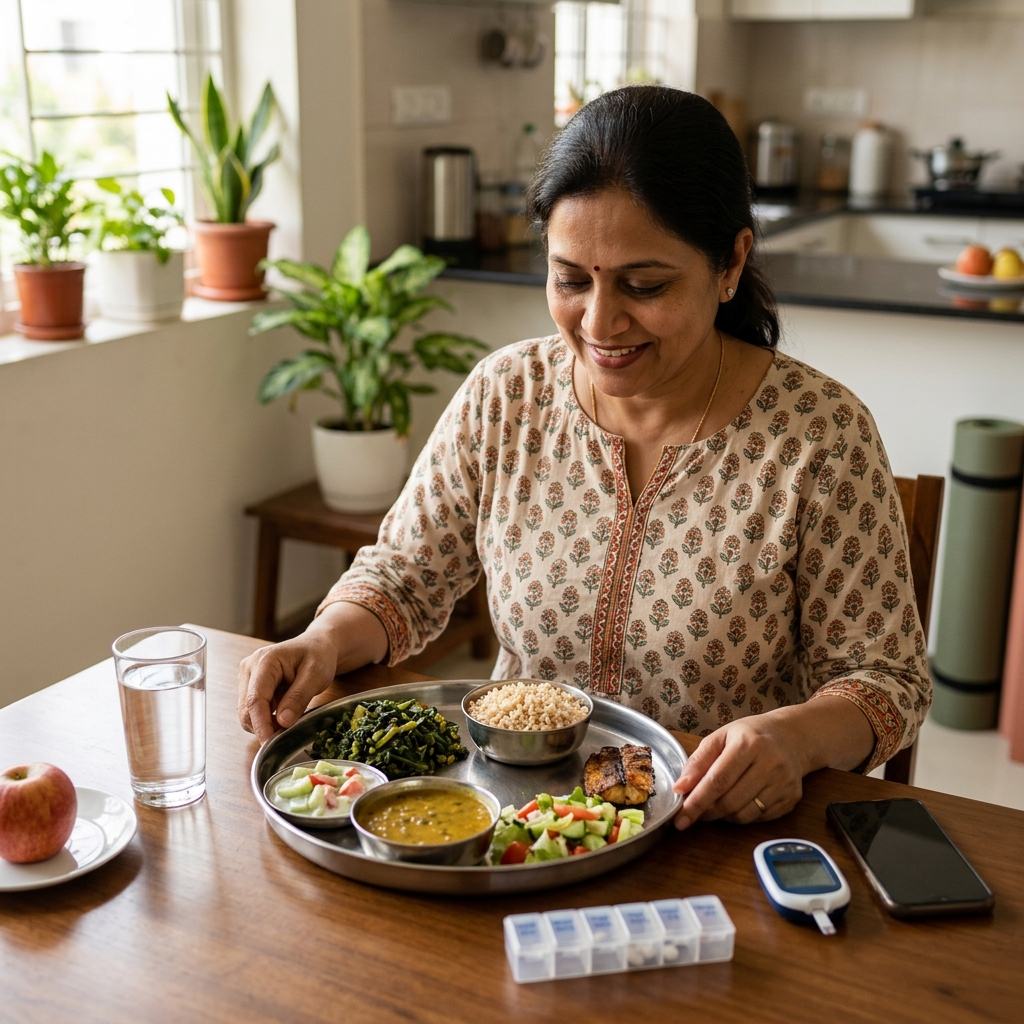
White rice, biryani, and curd rice often cause rapid glucose elevation due to high glycaemic load and portion size imbalance.
Many believe brown rice automatically controls diabetes. However, total carbohydrate load and meal structure influence glucose response more than rice variety alone.
Levothyroxine absorption reduces when taken with milk, tea, or food too early. This leads to unstable thyroid levels and inconsistent TSH readings.
Foods like idli, dosa, snacks, and sweets contribute to carbohydrate intake even when rice is reduced.
Eliminating entire food groups without guidance can lead to nutrient deficiencies and poor long-term adherence.
What This Service Includes
Meal frameworks are designed to balance carbohydrates, proteins, and fats while supporting thyroid and glucose stability together.
Carbohydrate intake is distributed across meals to reduce post-meal glucose spikes and HbA1c elevation.
Instead of removing rice, portion control strategies are used. Rice is paired with vegetables and protein to reduce glycaemic impact.
Clear timing rules are provided:
- medication taken with water on waking
- 60-minute gap before breakfast
- 3–4 hour gap before calcium or iron intake
This improves absorption stability and hormone consistency.
The plan includes:
- selenium sources for hormone conversion
- zinc sources for hormonal signaling
- iodine balance through controlled iodized salt use
Step-by-Step Nutrition Process
Medical reports, medication use, and daily eating patterns are reviewed.
Food timing, rice intake frequency, and carbohydrate load are analyzed.
A customized Indian meal structure is created based on diabetes and thyroid needs using the Best Diet for Hypothyroidism framework.
Levothyroxine and meal timing schedules are aligned to improve absorption efficiency.
Blood sugar patterns, energy levels, and digestion response are tracked and adjusted.
A sustainable diet structure is created to maintain stability without strict restrictions.
Pricing Guidance
Monthly nutrition support ranges from ₹2,500 to ₹8,000, depending on medical complexity and follow-up frequency.
Single consultations range from ₹800 to ₹2,000.
Pricing depends on:
- presence of diabetes and thyroid conditions
- level of insulin resistance
- dietary complexity
- monitoring requirements
Final pricing is confirmed after initial consultation.
Realistic Outcomes from Client Cases
A 44-year-old individual with Type 2 diabetes showed reduced post-meal glucose spikes within 8–10 weeks after adjusting rice portions and meal order.
A 36-year-old client with Hypothyroidism experienced improved energy stability after correcting medication timing and increasing selenium-rich foods.
A 51-year-old client managing both conditions reduced HbA1c levels over a 3-month period through structured carbohydrate distribution and consistent meal timing.
Results vary depending on adherence and medical condition.
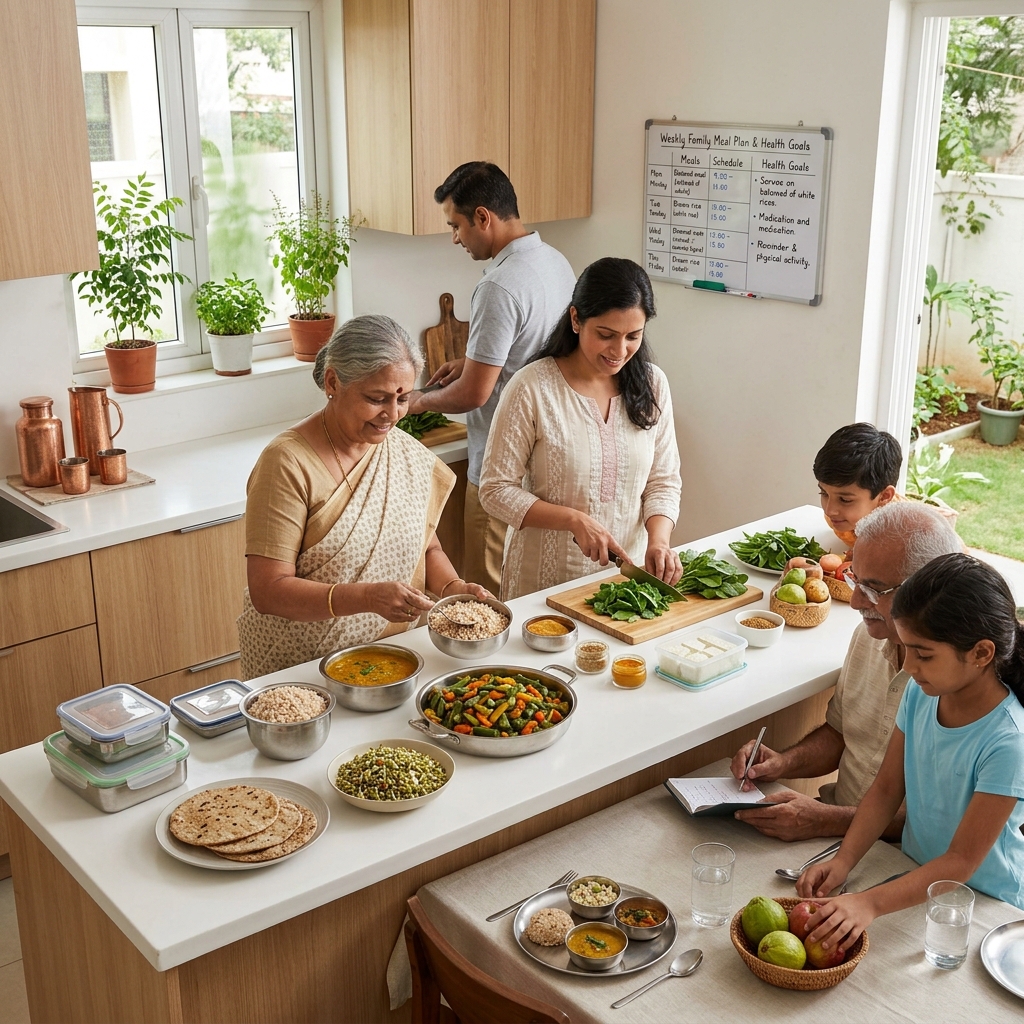
Who This Service Fits and Who It Does Not
Suitable For
- Individuals with diabetes or thyroid imbalance
- People consuming rice-based Indian meals regularly
- Clients willing to follow structured meal timing
- Individuals seeking long-term metabolic stability
Not Suitable For
- Individuals expecting diet to replace medication
- People unwilling to adjust eating habits
- Those expecting immediate lab improvements
- Clients seeking extreme restriction diets
Frequently Asked Questions
The Best Diet for Hypothyroidism focuses on balanced meals with controlled carbohydrates, adequate protein, and stable meal timing. It supports thyroid function and glucose regulation together. It does not replace medication but works alongside it.
Yes, diabetics can eat white rice in controlled portions. The key factor is total carbohydrate load and meal combination with fiber and protein. Portion control is more important than elimination.
Rice intake varies based on insulin response and activity level. Many individuals tolerate small portions per meal when combined with balanced foods. Monitoring post-meal glucose response is important.
Brown rice has more fiber and a slower glucose impact than white rice. However, total quantity and meal structure still determine blood sugar response.
Millets, quinoa, broken wheat, and cauliflower rice can be used as alternatives. These options reduce glycaemic load when used appropriately.
A dietitian creates structured meal plans based on medical reports and lifestyle. This includes carbohydrate distribution, medication timing alignment, and portion control strategies.
The Best Diet for Hypothyroidism supports hormone balance and metabolic rate. This indirectly improves insulin sensitivity and blood sugar stability.
Conclusion
Diabetes Nutrition Management Services at Nourish With Relma provide structured food planning for individuals managing diabetes and thyroid imbalance. The approach integrates the Best Diet for Hypothyroidism framework with practical Indian dietary patterns, medication timing alignment, and carbohydrate control strategies.
This service is suitable for individuals seeking stable blood sugar control and metabolic balance through consistent nutrition planning. To begin, book a consultation for a structured assessment and personalized meal plan.